
# Exploring Hangzhou’s Lingyin Temple and Buddhist History
Welcome to an enchanting journey through one of China’s most captivating *Hangzhou cultural sites*. If you’re a traveler, culture enthusiast, or someone curious about the rich tapestry of China Buddhist history, then *Hangzhou Lingyin Temple* is a must-visit destination. Nestled amidst the serene hills near West Lake, this ancient site offers a profound glimpse into the spiritual and cultural heritage of China. Here at jusha.travel, we love sharing tips to make your China journey unforgettable, and today, we’re diving deep into *Hangzhou Lingyin Temple* to explore its timeless allure, blending history, architecture, and modern relevance. Whether you’re planning a *Hangzhou travel guide*-inspired trip or seeking *cultural attractions Hangzhou* that highlight *China heritage tours*, this post will inspire you to step into this sacred haven. For more on Hangzhou’s cultural depth, check out our guide on Discovering Hangzhou Tea Culture.

## A Glimpse into the History of Lingyin Temple
*Hangzhou Lingyin Temple*, often called the “Temple of the Soul’s Retreat,” stands as a testament to China’s enduring Buddhist traditions. Founded in 326 AD by the Indian monk Huili during the Eastern Jin Dynasty, this site has served as a spiritual beacon for nearly 1,700 years. Imagine arriving in a land of misty peaks and deciding it’s reminiscent of the Buddha’s homeland in India—that’s exactly what Huili did, drawn to the natural beauty between Feilai Peak and Beigao Mountain, just a stone’s throw from the iconic West Lake (source).
The temple truly flourished during the Wuyue Kingdom (907–978 AD), becoming a hub for Chan (Zen) Buddhism and even hosting emperors during the Southern Song Dynasty for grand ceremonies. However, its history wasn’t without challenges; it faced destruction during events like the Huichang Persecution in the 9th century and dynastic shifts between the Ming and Qing periods. Each time, it was rebuilt with remarkable resilience—most notably by Emperor Kangxi of the Qing Dynasty, who personally inscribed its name (source). Today, as a designated National Key Cultural Relics site, *Hangzhou Lingyin Temple* continues to draw visitors eager to connect with *China Buddhist history*. For more on spiritual journeys, explore Top 10 Must-See Temples in China for Spiritual Seekers.
For travelers, a practical tip: Plan your visit early in the morning to avoid crowds and experience the temple’s peaceful ambiance. If you’re on a *China heritage tours* itinerary, combine this with a stroll around West Lake for a full day of exploration. The site’s location makes it easily accessible via public transport from downtown Hangzhou, and don’t forget to check for seasonal events that bring its history to life.

## The Significance of Lingyin Temple in China’s Buddhist History
Delving deeper into *China Buddhist history*, *Hangzhou Lingyin Temple* emerges as a pivotal center for the evolution of Chan Buddhism in China. At its peak during the Wuyue period, the temple housed over 3,000 monks, making it one of the largest Buddhist communities in the country (source). This era solidified its role in advancing Buddhist scholarship, art, and rituals, influencing spiritual practices that spread across East Asia. For more on similar spiritual retreats, see Why Tibet’s Potala Palace Is a Spiritual Must-Visit.
What makes *Hangzhou cultural sites* like this so special is their blend of history and everyday relevance. The temple boasts an impressive collection of artifacts, including ancient statuary, pagodas, and stone steles. A highlight is the towering 24.8-meter Sakyamuni Buddha statue, a masterpiece that symbolizes the depth of Chinese Buddhist artistry and devotion (source). These treasures not only preserve the past but also offer cultural insights into how Buddhism adapted to Chinese traditions, emphasizing harmony with nature and inner peace.
As a traveler, you might appreciate how *Hangzhou Lingyin Temple* reflects broader themes in *cultural attractions Hangzhou*. For instance, it’s a great spot to learn about the integration of Buddhism with Confucianism and Taoism, a common thread in Chinese philosophy. If you’re tech-savvy, use apps like China Travel Guide to navigate the site or join virtual tours for a modern twist on exploration—aligning with jusha.travel’s focus on blending tradition with contemporary travel tips.

## Exploring the Key Structures and Attractions
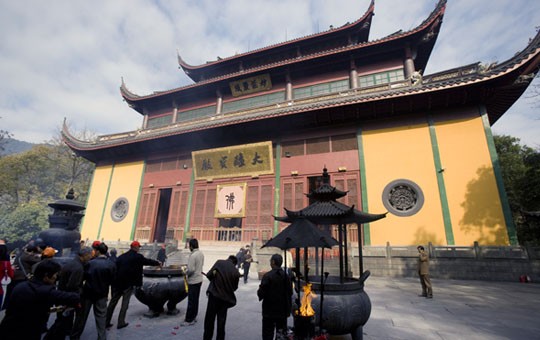
No visit to *Hangzhou Lingyin Temple* would be complete without wandering through its mesmerizing structures, which seamlessly merge with the surrounding landscape. This integration highlights why *cultural attractions Hangzhou* are so beloved by travelers seeking authentic *China heritage tours*. Start at the **Hall of the Heavenly Kings**, the grand entrance where statues of the Four Heavenly Kings and Maitreya Buddha stand guard. Each king represents blessings like good weather and protection, making it a popular spot for locals to pray for well-being (source). For insights into futuristic takes on Chinese heritage, visit Top 5 Futuristic Cities in China Shaping Tomorrow’s World.
Next, step into the **Grand Hall of the Great Sage**, the spiritual heart of the temple. Here, a massive statue of Shakyamuni Buddha invites reflection and meditation, surrounded by intricate carvings that tell stories of enlightenment. Don’t miss **Feilai Feng**, or “Peak Flown from Afar,” a limestone cliff adorned with over 340 Buddhist grotto carvings from the 10th to 14th centuries. Legend has it that this peak miraculously flew from India, adding a layer of mysticism to your visit (source).
To make the most of your trip, pack comfortable walking shoes and consider hiring a local guide for deeper insights—these paths are steeped in history and offer stunning photo opportunities. If you’re interested in Chinese food, nearby spots serve vegetarian Buddhist cuisine, reflecting the temple’s emphasis on simplicity and mindfulness, which ties into jusha.travel’s mission to explore China’s culinary traditions.
## Buddhist Rituals and Modern Relevance Today
*Hangzhou Lingyin Temple* isn’t just a relic of the past; it’s a vibrant hub of *China Buddhist history* that continues to thrive in the modern era. The temple hosts lively events like the Buddha’s birthday celebrations in spring, featuring elaborate rituals, traditional performances, and cultural exchanges that attract both pilgrims and tourists (source). These gatherings offer a unique window into contemporary Chinese spirituality, where ancient customs meet today’s world.
The monastic community here maintains daily rituals, preserving the lineage of Chan Buddhism while adapting to global influences. For instance, the temple now incorporates technology like QR codes for interactive guides, making it easier for visitors to learn about its heritage. This fusion aligns perfectly with *Hangzhou travel guide* essentials, blending tradition with innovation to inspire cultural enthusiasts. Why a Hangzhou Tea Village Day Trip Is a Must-Do.
If you’re planning a trip, consider participating in a meditation session or attending a tea ceremony nearby—both are practical ways to engage with Chinese culture. These experiences underscore jusha.travel’s goal of guiding visitors to discover the heart of China, from its spiritual depths to its evolving food and tech scenes.
As we wrap up our exploration of *Hangzhou Lingyin Temple*, it’s clear that this site is more than just a *Hangzhou cultural sites* landmark; it’s a living embodiment of *China Buddhist history*, offering invaluable insights for any traveler. From its ancient origins to its modern-day vibrance, visiting here will deepen your appreciation for *cultural attractions Hangzhou* and enhance your *China heritage tours*. At jusha.travel, we’re passionate about helping you uncover these hidden gems, so remember to check our site for more tips on making your adventures unforgettable.
What are your thoughts on Lingyin Temple? Have you visited any other *Hangzhou Lingyin Temple*-like spots in China? Share your stories in the comments below, explore more articles on jusha.travel for additional inspiration, or plan your next trip using our comprehensive guides. Let’s keep the conversation going and make every journey memorable!
