


# Tasting Guangzhou Changfen in Cozy Teahouse Alleys
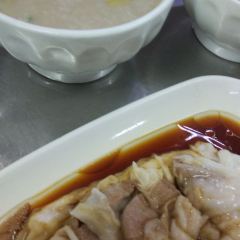
Here at jusha.travel, we love sharing tips to make your China journey unforgettable! Guangzhou, the vibrant food capital of China, offers a perfect blend of *China famous street food* and cultural immersion. Among its culinary treasures is Guangzhou changfen, the silky steamed rice noodle rolls often filled with tender shrimp or barbecued pork. Tasting changfen in the cozy, bustling teahouse alleys—a quintessential part of China’s culinary experiences—isn’t just a meal; it’s a step into Guangzhou’s soul, where ancient traditions meet modern flair. As a key element of Guangzhou travel tips, exploring these alleys reveals the social ritual of *yum cha* (drinking tea), making it an ideal stop for travelers seeking authentic flavors and stories. Join us as we dive into why changfen is a must-try, how to experience it, and what cultural insights await in Guangzhou’s teahouse culture.
## The Essence of Guangzhou Changfen: A Culinary Masterpiece
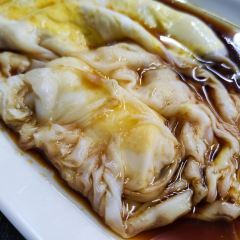
At the heart of Guangzhou changfen lies its delicate artistry—translucent sheets of rice noodles steamed to perfection, wrapped around savory fillings. As one chef pours the batter onto muslin cloth over boiling water, the process takes mere seconds, creating noodles that are “white as jade, thin as paper,” lending both silky smoothness and subtle chew ([source](https://apps.apple.com/ie/app/yinji-ca/id6741873508)). Traditional fillings include fresh shrimp, minced pork, or char siu (barbecued pork), often topped with a drizzle of sweetened soy sauce for an umami boost. Forget bland imitation; authentic changfen carries hints of sesame oil or hoisin, highlighting Guangzhou’s commitment to fresh, vibrant flavors. This dish isn’t just food—it’s a testament to China’s culinary heritage, evolving from simple dim sum to a symbol of Cantonese pride. For comparison, it’s smoother than dim sum dumplings yet shares the communal appeal.
In Guangzhou’s alleys, changfen shines in its simplicity, available for as little as 10 CNY per serving. Unlike tourist-packed restaurants, alley teahouses offer versions passed down through generations, sometimes with experimental twists like egg or vegetables. As Guangzhou travel tips go, try it morning-to-afternoon, when alleys buzz with locals. This links to broader China travel guide resources; for more on Chinese dishes, check out our post on [*top 5 Chinese dishes you can’t miss on your foodie tour*](https://jusha.travel/top-5-chinese-dishes-you-cant-miss-on-your-foodie-tour/).
## Teahouse Alleys: Ambiance and Atmosphere in Guangzhou
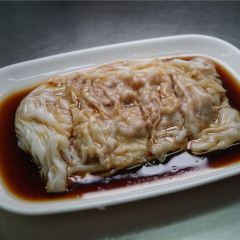
Guangzhou’s teahouse alleys are cultural portals, dating back decades where generations gather for yum cha. Cozy and inviting, these narrow lanes feature red lanterns and vintage décor, often lined with newspapers-reading elders and chatting families. The social ritual of morning tea transforms alleys into community hubs, where changfen is wheeled on carts, paired with tea for sharing—reflections of China’s emphasis on harmony and connection ([source](https://www.leadtochina.com/travel/adoption-resource/canton-morning-tea–)). Steam rises from portable steamers, aromas of rice noodles and soy blend with lively chatter, creating an immersive experience for travelers.
Atmosphere varies by alley; Liwan districts offer traditional charm, while tourist-heavy Yuexiu ones provide quick bites. Visit early morning for authenticity—queues of locals signal quality. Beyond changfen, expect dim sum variety in these alleys, reinforcing Guangzhou’s role in China famous street food. For tips on navigating China’s culinary scenes, our guide to [*how China’s night markets offer food, fun, and culture*](https://jusha.travel/how-chinas-night-markets-offer-food-fun-and-culture/) delves deeper into similar experiences.
## Pairing and Cultural Significance
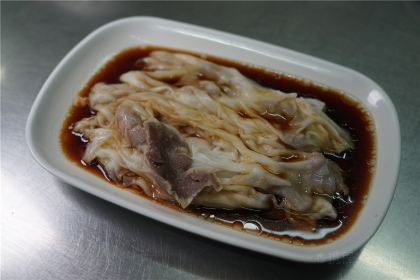
Tea pairing elevates changfen, with chrysanthemum tea offering floral notes that cleanse the palate, balancing the soy sauce’s sweetness (based on [source](https://artfultea.com/blogs/tea-wisdom/chinese-tea)). Pu-erh aids digestion, while oolong adds astringency—perfect for changfen’s mild profile. This isn’t mere convenience; it’s a cultural tradition tracing to tea ceremonies, making meals mindful and communal.
Culturally, changfen embodies Guangzhou’s resilience—inexpensive yet nourishing, it’s a daily ritual for locals. In China’s travel guide context, alleys highlight contrasts: ancient teahouses amid skyscrapers, encouraging mindfulness. As Guangzhou travel tips, respect etiquette—like sharing plates. Yangshuo or Xi’an offer similar vibes, but Guangzhou’s alleys are unmatched for authentic yum cha.
Technology enhances experiences; apps like Dianping reveal alley hotspots. Discover more in our post on [*what is Chinese tea culture and how to experience it?*](https://jusha.travel/what-is-chinese-tea-culture-and-how-to-experience-it?), which expands on tea rituals.
## Practical Tips for Tasting Changfen
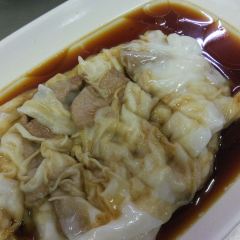
To savor changfen authentically, seek family-run shops in Liwan or Haizhu, away from tourist zones. Look for open kitchens and pat their name on carts; ask for “shahe fen” (rice noodle rolls) with preferred fillings—shrimp for seafood lovers, pork for classics. Costs range 8-20 CNY; budget 30-50 for full yum cha.
Temperature matters—fresh, warm changfen tastes best. Visit mid-morning, bringing WeChat Pay for cashless transactions. Language barriers? Use Google Translate for menus. Health-conscious? Opt for lean fillings to maintain flavors sans excess.
Combine with Guangzhou travel tips like using metro Line 2. As part of China culinary experiences, try public high-speed rails from airports. For dim sum specifics, see our [*how to savor authentic dim sum in Hong Kong’s best spots*](https://jusha.travel/how-to-savor-authentic-dim-sum-in-hong-kongs-best-spots/), noting Cantonese parallels.
## Modern Twists and Future of Changfen
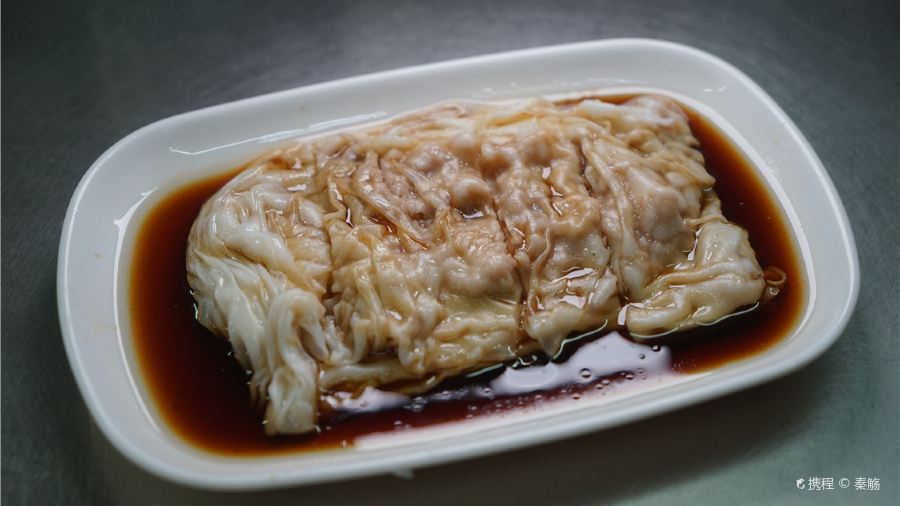
Today, changfen evolves—some alleys offer fusion rolls with egg or mushrooms, blending tradition with innovation. Apps deliver teas and changfen efficiently, reflecting China’s tech infusion. Yet, alleys resist full modernization; taste tests confirms family recipes hold authenticity ([source](https://www.thefoodranger.com/the-ultimate-guangzhou-food-guide/)). This mirrors broader trends in China famous street food, adapting without losing essence.
In 2025 travel planning, changfen alleys appeal to solo adventurers. Brief times: IPM Sundays for vibe, avoiding lunch rush. Learn more via our [*essential China travel tips for a memorable journey*](https://jusha.travel/essential-china-travel-tips-for-a-memorable-journey/), covering logistics.
## Conclusion: A Flavorful Farewell to Guangzhou’s Alleys
Tasting Guangzhou changfen in cozy teahouse alleys captures China’s culinary spirit—steamed perfection in communal warmth. From silky noodles and tea pairings to cultural rituals, it’s an affordable, immersive experience. As jusha.travel enthusiasts, we encourage you to venture beyond guides for firsthand wonder.
We’d love to hear your changfen stories—share in the comments or explore more China culinary experiences at jusha.travel! For related reads, check [*Hong Kong food advice: a comprehensive guide*](https://jusha.travel/hong-kong-food-advice-a-comprehensive-guide/) for similar dim sum insights. Safe travels! (Word count: 1152)
Frequently asked questions
What is Guangzhou changfen?
Guangzhou changfen is silky steamed rice noodle rolls, often filled with tender shrimp or barbecued pork. At the heart of it lies delicate artistry: translucent sheets of rice noodles steamed to perfection, creating noodles that are "white as jade, thin as paper," lending both silky smoothness and subtle chew.
How much does changfen cost in Guangzhou?
In Guangzhou's alleys, changfen shines in its simplicity, available for as little as 10 CNY per serving. Costs range 8-20 CNY, and you can budget 30-50 for a full yum cha.
Which tea pairs with changfen?
Chrysanthemum tea offers floral notes that cleanse the palate, balancing the soy sauce's sweetness. Pu-erh aids digestion, while oolong adds astringency, which is perfect for changfen's mild profile. This is a cultural tradition tracing to tea ceremonies, making meals mindful and communal.
Where should I eat changfen in Guangzhou?
Seek family-run shops in Liwan or Haizhu, away from tourist zones. Look for open kitchens and ask for "shahe fen" (rice noodle rolls) with preferred fillings, shrimp for seafood lovers or pork for classics. Liwan districts offer traditional charm, while tourist-heavy Yuexiu ones provide quick bites.
What are the Guangzhou teahouse alleys like?
Guangzhou's teahouse alleys are cultural portals, dating back decades where generations gather for yum cha. Cozy and inviting, these narrow lanes feature red lanterns and vintage decor, often lined with newspaper-reading elders and chatting families. Visit early morning for authenticity, since queues of locals signal quality.