


# Drifting Along the Romantic Canals of Suzhou’s Gardens

Imagine a city where ancient waterways intertwine with meticulously crafted gardens, creating a serene landscape that has captivated poets and dreamers for centuries. Welcome to Suzhou, often called the “Venice of the East,” where *Suzhou canals* and *China classical gardens* form an enchanting tapestry. This charming urban oasis in Jiangsu Province embodies the romantic spirit of *romantic China waterways* and *Jiangnan water towns*. Here at jusha.travel, we love sharing tips to make your China journey unforgettable, and Suzhou’s canals offer the perfect blend of tranquility and cultural richness. Whether you’re seeking a peaceful escape or insights into traditional Chinese design, drifting along these waters transports you to a world of harmony and beauty. Let’s dive into why this destination is a must-visit for any traveler exploring China’s heartland.
## The Historic Legacy of Suzhou’s Canal System
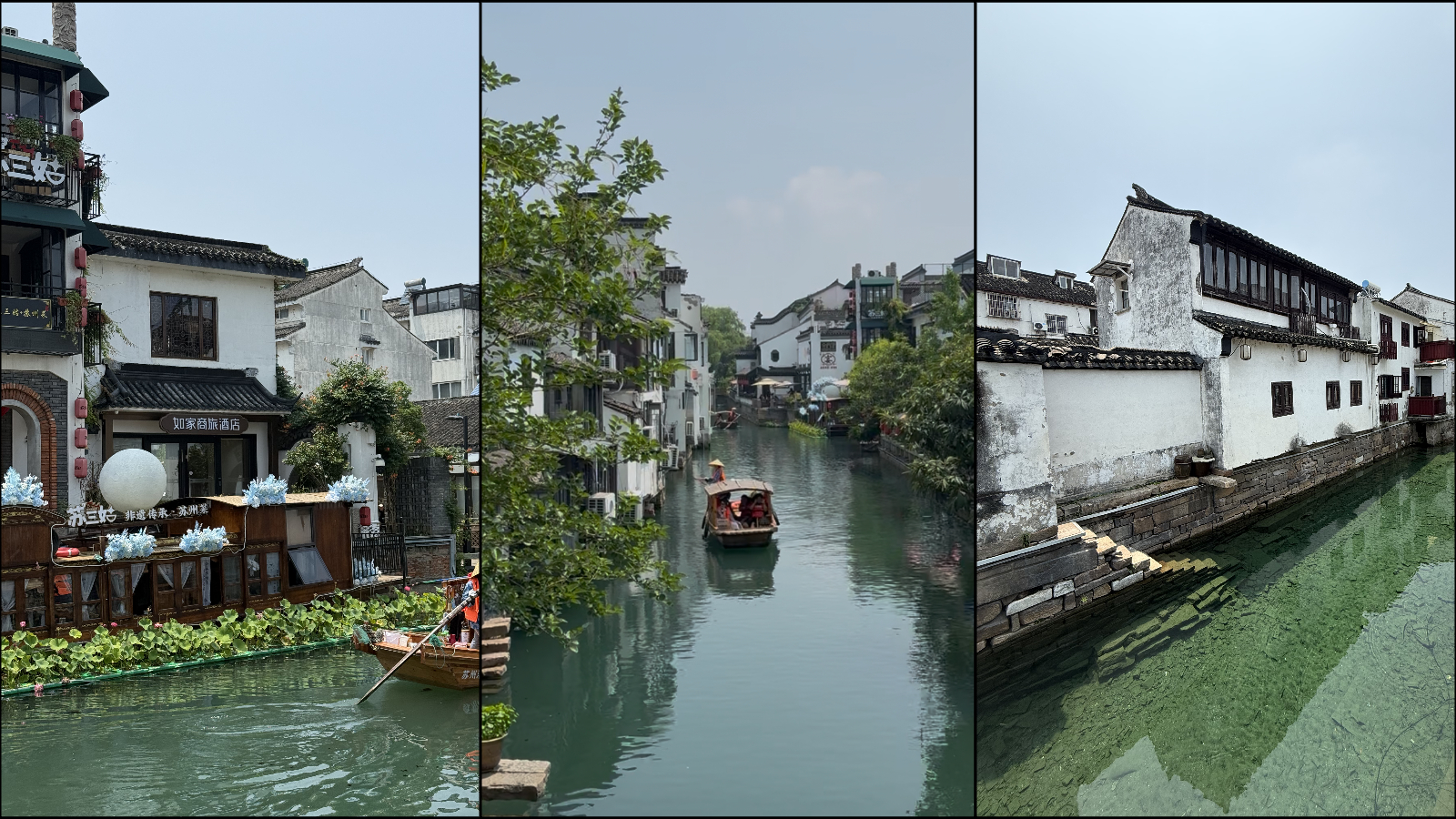
Suzhou’s *Suzhou canals* tell a story that spans over 2,500 years, making them one of the oldest and most intricately designed water systems in the world. Originating around the sixth century BCE during the Wu Kingdom, these waterways were initially created to support commerce, particularly the silk trade that fueled ancient prosperity. According to historical sources like [FactsandDetails.com](https://factsanddetails.com/china/cat15/sub97/entry-6476.html), Suzhou once boasted thousands of canals, totaling over 100 kilometers, which organized the city in a grid known as the “three horizontals and three verticals.” By the Ming Dynasty, canals stretched up to 82 kilometers, serving as vital transport routes for rice, silk, and goods, earning Suzhou its nickname “Venice of the East” when referenced by Marco Polo in the late 13th century.
However, urbanization and neglect led to a decline in the 20th century, shrinking the network to around 36 kilometers by the 1970s. Thanks to global recognition—Suzhou’s gardens and canals are UNESCO World Heritage Sites since 1997—the city has invested in restoration. Modern preservation efforts include dredging, protective zoning, and even creativa repurposing for tourism, as noted in [UNESCO’s official listing](https://whc.unesco.org/en/list/813/). Today, canals like the Pingjiang Road offer a glimpse into this rich history, flanked by historic tea houses and whitewashed homes that echo centuries past.
To extend your exploration of China’s historical wonders, consider reading our post on [Historical Places in China: A Comprehensive Guide to Ancient Sites and Cultural Landmarks](https://jusha.travel/historical-places-in-china-guide/), which covers more UNESCO sites like the Terracotta Warriors.
## Gardens That Dance with Water: Classical masterpieces

No visit to Suzhou is complete without exploring the *China classical gardens* that harmonize beautifully with the *Suzhou canals*, creating landscapes that are both artistic and contemplative. These gardens, many private retreats for scholar-officials, represent the pinnacle of Chinese landscape design, blending ponds, rockeries, pavilions, and meticulously pruned trees to evoke nature’s essence. As described in [this research summary](https://rosecampau.com/suzhou-travel-guide/), Suzhou boasts four major gardens designated as World Heritage sites, along with dozens of smaller ones, showcasing Ming and Qing-era architecture.
The **Humble Administrator’s Garden** (拙政园), Suzhou’s largest and most famous, features expansive ponds zigzagged by bridges, seasonal flowers, and halls adorned with calligraphy. It’s a living painting where water elements invite reflection. Similarly, the **Lingering Garden** (留园) dazzles with intricate rockeries and bamboo groves, while the **Lion Grove Garden** (狮子林) offers a playful labyrinth of stones. The **Couple’s Retreat Garden** (耦园), though smaller, captures romantic harmony with its intimate water features.
These gardens draw from ancient philosophies, using “borrowed views” (borrowing canal scenery into the garden) and water corridors to visually expand spaces, as explained on [NyaSatells](https://nyasatells.wordpress.com/2013/02/16/suzhou-historic-city-of-gardens-canals-and-silk/). The symbiotic relationship between gardens and canals not only enhances tranquility but also supports irrigation and microclimates, preserving the Jiangnan region’s lush greenery.
For more cultural insights, check out our article on [Exploring China: History, Culture, and Modernity](https://jusha.travel/exploring-china-history-culture-and-modernity/), which delves into how traditional gardens reflect broader Chinese heritage.
## A Romantic Boat Ride: Embracing the Waterways

To truly experience the romance of *romantic China waterways*, hop on a boat and drift along Suzhou’s canals—a quintessential activity that blends relaxation with cultural discovery. Canal boating here isn’t just transportation; it’s an immersive journey through the city’s soul, especially at dusk when lantern-lit waters sparkle against historic facades. According to travel guides like [Rose Campau](https://rosecampau.com/suzhou-travel-guide/), popular routes include Pingjiang Road, a living museum with ancient residences and garden entrances, and Shantang Street, where evening lights and gentle bustle evoke old Jiangnan dreams.
Prices for boat rides range from affordable public ferries (around $5-10) to private gondola-like boats ($20-50), allowing you toCustomize your pace. Some boats feature narrated tours highlighting the city’s history, from silk merchants’ homes to traditional snacks. As you glide past willow-draped bridges and white-washed walls, you’ll witness the balance of yin and yang—calm waters reflecting gardens, creating moments perfect for photographs or quiet contemplation.
This romantic tradition, rooted in Suzhou’s past, offers a serene alternative to bustling metropolises. Imagine floating under moonlight, listening to distant folk songs— it’s why Suzhou’s waterways are beloved for weddings and anniversaries, symbolizing eternal love and harmony.
If you’re planning multi-city adventures, our guide to [Best Places to Visit in China: Discover Iconic Landmarks and Hidden Gems](https://jusha.travel/best-places-to-visit-china/) includes Suzhou and nearby water towns like Zhouzhuang.
## Daily Life and Culture in Jiangnan Water Towns

Beyond the scenic beauty, *Jiangnan water towns* like Suzhou offer a glimpse into authentic Chinese culture and lifestyle. The Jiangnan region (south of the Yangtze River) is famed for its humid climate, rice paddies, and communities that have thrived on water since ancient times. Locals engage in traditional practices like fishing, tea cultivation, and silk weaving, while gardens host tai chi sessions and calligraphy workshops. Food plays a starring role—try local specialties such as dumplings filled with sweet river shrimp or osmanthus-scented pastries, reflecting Jiangnan’s abundance.
Technology subtly enhances the experience: many gardens now use apps for audio guides, and canals incorporate smart lighting for evening cruises. However, the core appeal lies in the simplicity—walking narrow alleys, chatting with boatmen, or attending a local festival. Suzhou’s blend of traditional skills and modern life, including preserved historic districts, ensures that visiting feels like stepping into a living poem, much like the Shijing verses that celebrated waterways.
For concrete travel logistics, read our piece on [Transportation in China: A Comprehensive Guide for Western Travelers](https://jusha.travel/transportation-in-china-guide/), which explains how to reach Suzhou via high-speed trains from Shanghai or Beijing.
## Practical Tips for Exploring Suzhou
To make your *Suzhou canals* adventure seamless, plan ahead. The best times to visit are spring or autumn for mild weather and blooming gardens. Book canal boat tours via apps like Trip.com or through hotels—private ones offer romantic evenings. Garden tickets cost $5-15 each; combine multiple with a group package. Use WeChat for payments and navigation, and consider guided tours for cultural insights (from $50). Respect local customs: be quiet in gardens, remove shoes in homes if invited, and try local eateries for authentic flavor.
For tea lovers (fitting in gardens), our post on [What Is Chinese Tea Culture and How to Experience It?](https://jusha.travel/what-is-chinese-tea-culture-and-how-to-experience-it/) explores Suzhou’s tea heritage.

## Conclusion: Why Drifting Suzhou’s Canals Is Timeless
Drifting along Suzhou’s *romantic China waterways* and wandering its *China classical gardens* leaves an indelible mark, reminding us of the poetry in everyday harmony. This *Jiangnan water towns* masterpiece manages to preserve ancient beauty amid modern life, offering peace in a chaotic world. Whether you’re boating at sunset or strolling garden paths, Suzhou inspires reflection and renewal.
Here at jusha.travel, we’re passionate about uncovering China’s hidden gems. Share your canal dreams in the comments below, explore our other guides like [Top 10 Must-Visit Cities in China for 2025 Adventures](https://jusha.travel/top-10-must-visit-cities-in-china-for-2025-adventures/) for more inspiration, and let us know where your next China journey takes you! What’s your favorite aspect of Suzhou’s charm? We’d love to hear. Safe travels!
Frequently asked questions
How old is Suzhou's canal system?
Suzhou's canals tell a story that spans over 2,500 years, making them one of the oldest and most intricately designed water systems in the world. They originated around the sixth century BCE during the Wu Kingdom, initially created to support commerce, particularly the silk trade.
Which gardens in Suzhou should I visit?
The Humble Administrator's Garden (拙政园) is Suzhou's largest and most famous, with expansive ponds zigzagged by bridges and halls adorned with calligraphy. The Lingering Garden (留园) dazzles with intricate rockeries and bamboo groves, while the Lion Grove Garden (狮子林) offers a playful labyrinth of stones.
How much does a canal boat ride in Suzhou cost?
Prices for boat rides range from affordable public ferries at around $5-10 to private gondola-like boats at $20-50, allowing you to customize your pace. Some boats feature narrated tours highlighting the city's history, from silk merchants' homes to traditional snacks.
When is the best time to visit Suzhou's canals and gardens?
The best times to visit are spring or autumn for mild weather and blooming gardens. Book canal boat tours via apps like Trip.com or through hotels, since private ones offer romantic evenings, and garden tickets cost $5-15 each.
Why is Suzhou called the Venice of the East?
Suzhou is often called the "Venice of the East" because ancient waterways intertwine with meticulously crafted gardens, creating a serene landscape. Its canals and China classical gardens form an enchanting tapestry in Jiangsu Province that embodies the romantic spirit of Jiangnan water towns.