


Tracing Silk Threads Through the Weavers’ Villages of Suzhou

Welcome to a journey through the delicate world of silk in Suzhou, where ancient threads weave stories of tradition and artistry. If you’re planning a trip to China, immersing yourself in the Suzhou silk villages offers a profound glimpse into the country’s rich China weaving heritage. Nestled in Jiangsu Province, these villages along the silk thread trails are alive with the hum of looms and the tales of local artisans. At jusha.travel, we love sharing tips to make your China journey unforgettable, and this post dives into the cultural silk facts that make Suzhou a must-visit for culture enthusiasts and travelers alike.
From mythical origins to modern preservation, Suzhou’s silk legacy is more than fabric—it’s a tapestry of history, innovation, and community. Whether you’re tracing the paths of ancient traders or chatting with J Jiangsu artisan stories passed down through generations, this experience connects you to the heart of Chinese craftsmanship. Let’s unravel the threads together.
The Origins of Silk Weaving in Suzhou
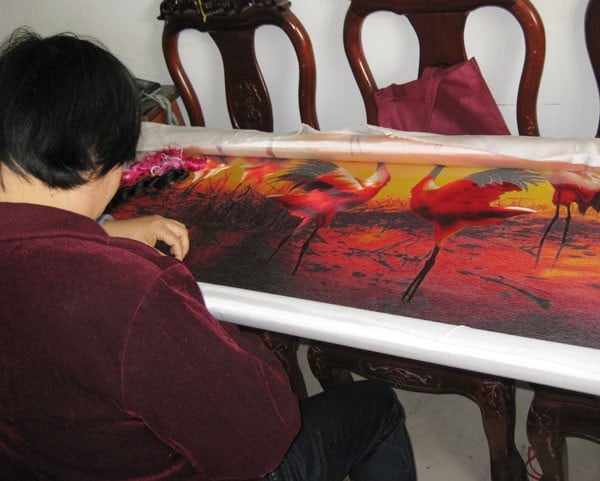
Suzhou’s connection to silk stretches back over 2,000 years, making it a cornerstone of China weaving heritage. Archaeological evidence reveals that silk production in China dates to the Neolithic period around 5,500 years ago, but Suzhou emerged as a hub thanks to its ideal environment—fertile mulberry orchards and a mild climate perfect for sericulture, the cultivation of silkworms.
Legend credits the invention of silk to Leizu, the wife of the Yellow Emperor, who discovered how to unravel silkworm cocoons. In Suzhou, this myth comes alive through statues and exhibits honoring her. By the Tang and Song dynasties, Suzhou was one of the “Three Weaving Bureaus” along the Yangtze River, supplying imperial courts with luxurious fabrics. These cultural silk facts highlight how silk wasn’t just a commodity; it symbolized status and artistry, influencing everything from fashion to diplomacy.
Travel tip: Start your exploration at the Suzhou Silk Museum, where interactive displays bring these origins to life. For deeper insights into China’s broader historical tapestry, check out our guide to Exploring China: History, Culture, and Modernity.
- Mulberry groves: Essential for feeding silkworms, these groves dot the Suzhou silk villages.
- Imperial influence: Silk from Suzhou graced the robes of emperors and fueled the Silk Road trade.
- Seasonal rhythm: Spring planting of mulberry aligns with the weaving cycle, a nod to nature’s harmony.
As you wander the silk thread trails, imagine the hands that first spun these golden filaments, laying the foundation for Jiangsu’s enduring artisan legacy.
The Intricate Process: From Silkworm to Stunning Silk
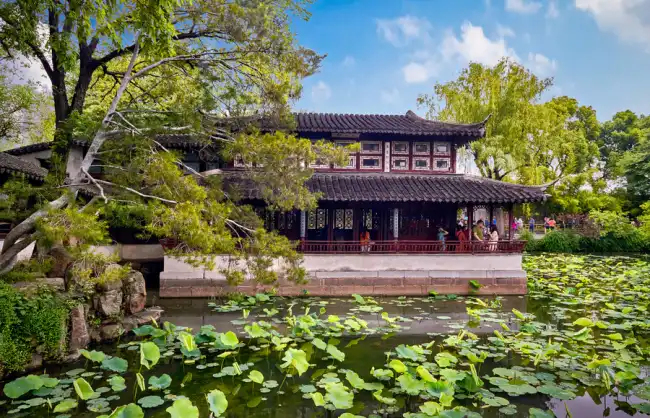
Transforming tiny silkworms into exquisite silk is a mesmerizing process that embodies the precision of China weaving heritage. It begins with sericulture: farmers tend mulberry leaves, the sole diet of Bombyx mori silkworms. These larvae munch voraciously before spinning cocoons from a single, continuous filament that can stretch up to 900 meters—nature’s own silk thread trails in miniature form.
Once harvested, cocoons are steamed to kill the pupae and softened in boiling water. Skilled workers then unravel the filaments, twisting several together for strength. This raw silk is dyed using natural hues derived from plants and minerals, then woven on traditional wooden looms. In Suzhou, embroidery elevates this further; Suzhou embroidery (Su Xiu) uses nuanced stitches to create “paintings in thread,” renowned for their radiant colors and painterly effects. From 18 classic stitches in ancient times to over 40 today, innovations like double-sided embroidery showcase the evolution of technique.
For a hands-on experience, visit family-run workshops in the villages, where you can try reeling silk yourself. These sessions reveal cultural silk facts, such as how silk production influenced Chinese philosophy—patience and harmony mirroring the loom’s steady rhythm. If you’re curious about other ancient routes that carried silk across continents, our post on How to Explore China’s Silk Road in One Unforgettable Trip is a perfect companion read.
Key Stages in Silk Production
- Silkworm Rearing: 25-30 days of feeding on mulberry leaves in controlled bamboo trays.
- Cocoon Harvesting: Boiling to extract up to 300-900 meters of thread per cocoon.
- Weaving and Embroidery: Artisans create intricate patterns, often depicting nature or folklore.
This labor-intensive craft, once communal in Suzhou silk villages, underscores the dedication behind every shimmering scarf or embroidered panel.
Life and Stories in the Weavers’ Villages

Stepping into Suzhou’s weavers’ villages feels like entering a living museum of Jiangsu artisan stories. Places like Tongli and Zhouzhuang, charming water towns crisscrossed by canals, were historically specialized in silk stages—reeling in one, weaving in another. Entire families participated: women excelled in embroidery, their nimble fingers crafting motifs of lotuses and phoenixes, while men operated looms.
During the Ming and Qing dynasties, over 100 embroidery workshops thrived here, turning villages into buzzing hubs. Today, descendants share tales of resilience, like how silk sustained communities through wars and famines. One such story is of a fourth-generation embroiderer in Tongli, whose family guarded secret dyeing techniques passed orally for centuries—a true embodiment of China weaving heritage.
Practical tip for travelers: Cycle along the silk thread trails connecting these villages, stopping for tea in family studios. It’s a gentle way to engage with locals, perhaps learning a basic stitch. For more on hidden gems like these, explore our article Top 5 Hidden Villages in China You Need to Explore, which features Tongli as a serene escape.
These villages aren’t frozen in time; they’re vibrant, with modern twists like eco-friendly dyes blending tradition and sustainability.
Preserving the Legacy: Visiting Suzhou’s Silk Today
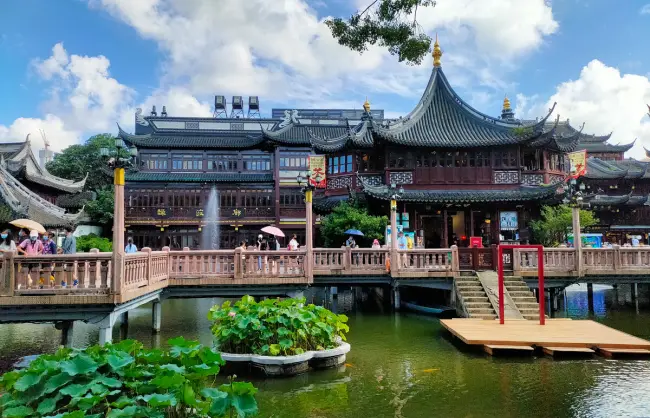
In contemporary Suzhou, the silk tradition thrives through preservation efforts, supported by UNESCO and local initiatives. The Suzhou Silk Museum stands out, with live demonstrations, historical looms, and exhibits from Tang to Qing dynasties. Wander its halls to see how silk traveled the Silk Road, influencing global trade and luxury textiles.
Village workshops now welcome tourists, offering classes in weaving or embroidery. Artisans experiment with contemporary designs, like silk fused with digital patterns, keeping cultural silk facts relevant. Suzhou’s role as a “Silk Capital” continues, with state bureaus ensuring ethical production amid growing global demand.
Pro tip: Visit during the annual Silk Festival in April for markets, performances, and artisan meet-and-greets. Pair it with nearby gardens for a full cultural day. To plan your itinerary including Suzhou among China’s top spots, read our Top 10 Must-Visit Cities in China for 2025 Adventures.

Conclusion: Weave Your Own Suzhou Story

Tracing the silk threads through Suzhou’s weavers’ villages reveals a profound layer of China weaving heritage—from ancient myths to artisan resilience. These Suzhou silk villages along the silk thread trails offer not just beautiful crafts but intimate Jiangsu artisan stories and timeless cultural silk facts that enrich any China trip. Whether you’re a history buff or a craft lover, Suzhou invites you to touch the past while embracing the present.
At jusha.travel, we’re passionate about guiding you to such authentic experiences. For more historical deep dives, see our Historical Places in China: A Comprehensive Guide and Best Places to Visit in China.
Ready to plan your visit? Share your thoughts in the comments below—what silk souvenir are you dreaming of? Head to jusha.travel for more inspiring China travel guides and start weaving your adventure today!
(Word count: 1,128)
Frequently asked questions
What is produced in Suzhou's weavers' villages?
The villages are known for silk, and the post traces silk threads through them as part of Suzhou's textile heritage.
Why is Suzhou associated with silk?
The post tours the weavers' villages of Suzhou to trace silk threads, presenting the region's silk production as a craft tradition visitors can follow through the villages.
Can visitors see silk being made?
The post frames the weavers' villages as a route to follow silk threads through Suzhou, indicating the craft is presented as something visitors trace through the villages.
How does Suzhou's silk heritage connect to its other attractions?
Suzhou is best known for its canals and classical gardens, and the post treats the weavers' villages as part of the same regional craft heritage that visitors can explore alongside them.
Is the Suzhou weavers' village worth visiting?
The post presents tracing silk threads through the weavers' villages as a way to experience Suzhou's craft heritage beyond its better-known canals and gardens.