
Drenched in Golden Light at the Longji Rice Terraces’ Harvest
Have you ever imagined witnessing the magic of the Longji rice terraces bathed in a breathtaking autumn China glow? Picture cascading tiers of emerald fields transforming into shimmering waves of gold as the harvest season unfolds. Here at jusha.travel, we love sharing tips to make your China journey unforgettable! This natural spectacle isn’t just about the views—it’s a deep dive into sustainable farming, rich cultural traditions, and the harmonious rhythm of life in Guilin terrace views. Whether you’re a culture enthusiast or an adventure seeker, the Longji Rice Terraces offer an authentic glimpse into how ancient practices meet modern China. In this post, we’ll explore the golden transformation, harvest traditions, cultural festivals, and practical traveler insights, drawing on the UNESCO-recognized engineering marvel that has shaped these fields for centuries.
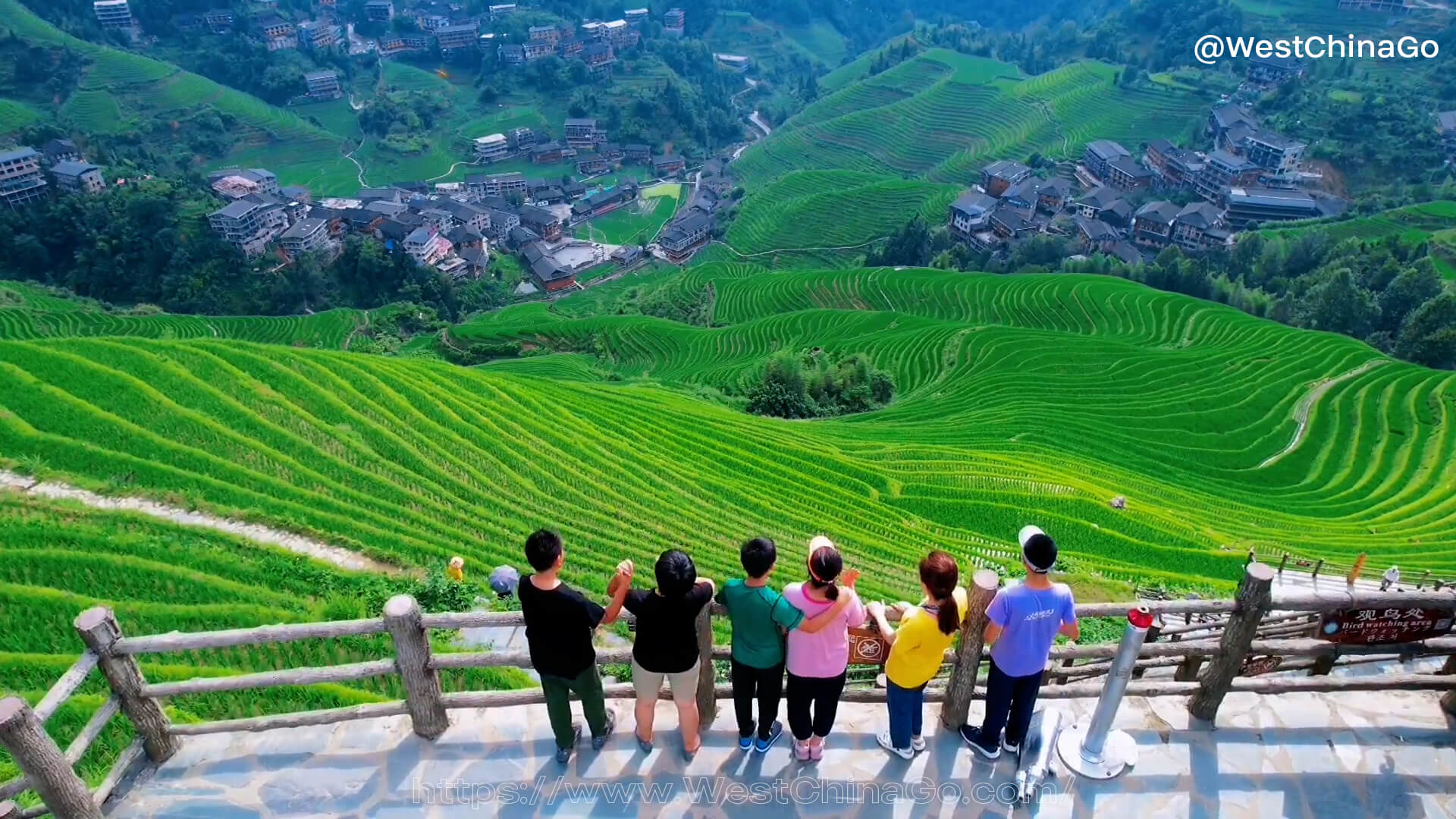
The Golden Spectacle: Longji Rice Terraces in Autumn
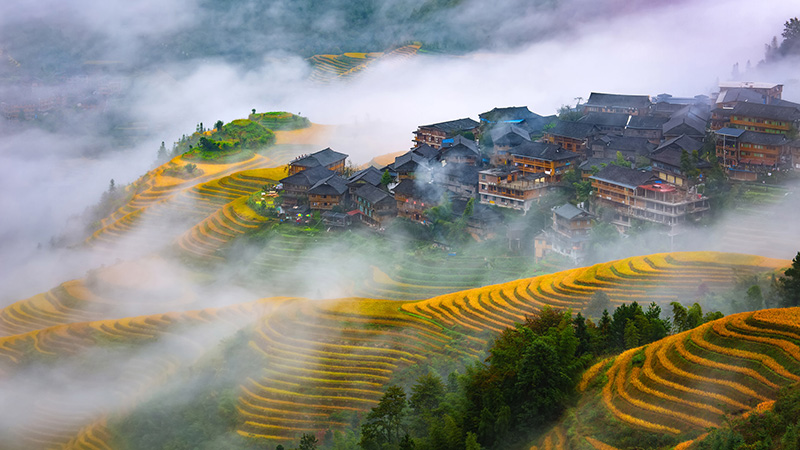
The Longji rice terraces, often called the Dragon’s Backbone due to their winding shape, become truly mesmerizing during the China golden harvests. From late September to mid-October, as the rice ripens, the terraces glow with an otherworldly autumn China glow. Picture the sun rising over mist-covered mountains, casting a warm hue on the fields that stretch like a living tapestry. This transformation is amplified by natural lighting—especially during golden hour in the mornings or evenings—when the Guilin terrace views mirror the sky and create panoramic vistas that have inspired poets and photographers for centuries. The crisp autumn air carries the fresh scent of harvested rice, making it a sensory feast. Many travelers note how the terraces reflect water in spring and summer, but autumn’s dry drainage reveals the full golden majesty. It’s sustainable farming at its finest, producing rice that feeds local communities while attracting global acclaim as a Globally Important Agricultural Heritage System.

Harvest Traditions and Farming Wisdom
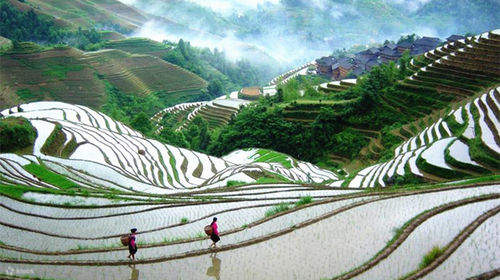
Diving deeper, the China golden harvests reveal the timeless techniques of the Zhuang and Yao communities who tend these ethnic minority fields. The terraces utilize gravity-fed irrigation, with water flowing downhill to nourish each level—a feat of engineering from over 600 years ago. As the fields dry post-rainy season, villagers harvest rice using traditional sickles, bundling stalks into sheaves for threshing. This hands-on approach ensures minimal environmental impact, preserving soil health and water quality. During the drying phase, corn and chili peppers join the crops spread on bamboo mats, creating colorful displays against the terraced backdrop. Visitors can join in light farming activities or simply observe how these methods sustain the land. For food lovers, this is where you taste the freshest ingredients—think simple dishes like stir-fried greens with local herbs—a perfect blend of nature and gastronomy. To learn more about integrating authentic cuisine into your China travels, check out our guide on Hong Kong Food Advice.
Cultural Festivals and Ethnic Heritage
The ethnic minority fields of the Longji rice terraces come alive with cultural celebrations during harvest time. The Zhuang and Yao people, who have farmed these lands for generations, honor their traditions through festivals like the Yao Clothes-Drying Festival, where villagers don bright attire and perform dances paying tribute to ancestors. Harvest gatherings feature music, stories, and communal feasts, blending gratitude for the bounty with spiritual rituals. Key villages like Ping’an and Huangluo showcase distinct customs—Ping’an’s views offer the iconic Dragon’s Backbone vistas, while Huangluo’s Red Yao women are renowned for their long-haired traditions. Moreover, festivals highlight sustainability: many events promote eco-friendly practices, aligning with China’s modern green initiatives. For travelers curious about broader China culture, our article on Exploring China: History, Culture, and Modernity delves into similar themes. Immersing in these events fosters genuine connections, opening doors to understand how indigenous knowledge shapes today’s China.
- Yao Clothes-Drying Festival: A vibrant celebration with traditional costumes and harvest dances.
- Zhuang Harvest Rituals: Spiritual ceremonies thanking nature for the golden glow of ripening crops.
- Daily Cultural Insights: Witness taisi (local folk singing) or enjoy moonlit storytelling sessions.

Planning Your Golden Harvest Adventure
Ready to experience the autumn China glow yourself? Peak season for Guilin terrace views lasts until mid-October, but go in September-October to avoid peak crowds during China’s National Day. Practical tips include hiking between villages like Ping’an and Dazhai for breathtaking vistas, or catching astrophotography under clear autumn skies. Stay in wooden stilt houses for immersive homestays—many offer daily rates from $20–50, including meals. Use apps like WeChat for transportation from Guilin city, which takes about 2 hours by bus. For visa essentials, consult our detailed guide on Applying for a China Travel Visa. Bring sturdy shoes, rain gear for unpredictable weather, and respect farming areas by staying on paths. Combine this with nearby attractions like the Li River cruises for a fuller Guilin terrace views experience. Sustainable tourism here means supporting local guides and choosing eco-hikes to preserve the terraces’ beauty.
- Best Time to Visit: Late September–mid-October for optimal golden transformations.
- Transportation: Buses or vans from Guilin; high-speed trains connect from bigger cities.
- Accommodation: Budget-friendly guesthouses in villages for authentic stays.
- Health & Safety: Altitude can cause fatigue, so stay hydrated and sunscreen-protected.

Why This Harvest Inspires Modern Travelers
What makes the Longji rice terraces harvest so enchanting is its blend of tradition and innovation. As China embraces technology, local communities use smartphones for marketing organic rice and promoting eco-tourism. This sustainable model inspires global travelers—many return champions of slow travel. Photographers covet the light, adventurers relish the hikes, and culture buffs appreciate the rituals. It’s a reminder that China’s modernization doesn’t eclipse its roots; instead, it enhances them. If you’re chasing luxury experiences elsewhere, compare this organic allure with our recommendations in Exploring Luxury: The Best Hotels in China. From golden fields to tech-savvy conservation, Longji represents China’s peaceful evolution.
Conclusion
As the sun sets on the China golden harvests, the Longji rice terraces leave an indelible mark—a blend of natural beauty, cultural depth, and modern wonder. Whether you’re trekking through Guilin terrace views or participating in ethnic minority fields festivals, this harvest season encapsulates the soul of China travel. Here at jusha.travel, we’re passionate about curating such transformative journeys. We encourage you to share your plans for visiting Longji in the comments below, visit our site for more China travel inspiration—including insights on Hong Kong Attractions and Essential Travel Tips—and explore related articles that await your wanderlust! Safe travels and golden adventures await.
Note: This blog post incorporates researched information from reliable sources like China Highlights and China Odyssey Tours for accuracy. Images used with reference to external links for illustrative purposes.
