
How to Experience Traditional Chinese Festivals Like a Local

China’s traditional festivals are more than just dates on a calendar—they’re vibrant cultural celebrations that weave together history, family, and community in ways that captivate travelers from around the world. Whether you’re drawn to the explosive joy of fireworks or the quiet poetry of moon gazing, experiencing these events like a local offers unparalleled local experiences that go beyond tourist snapshots. At jusha.travel, we love sharing tips to make your China journey unforgettable, helping you immerse in traditional customs and savor festive foods that have been passed down through generations. In this guide, we’ll explore key festivals, practical advice, and insider secrets to help you celebrate authentically while respecting China’s rich heritage.
Embracing the Spring Festival: China’s Grand Family Reunion
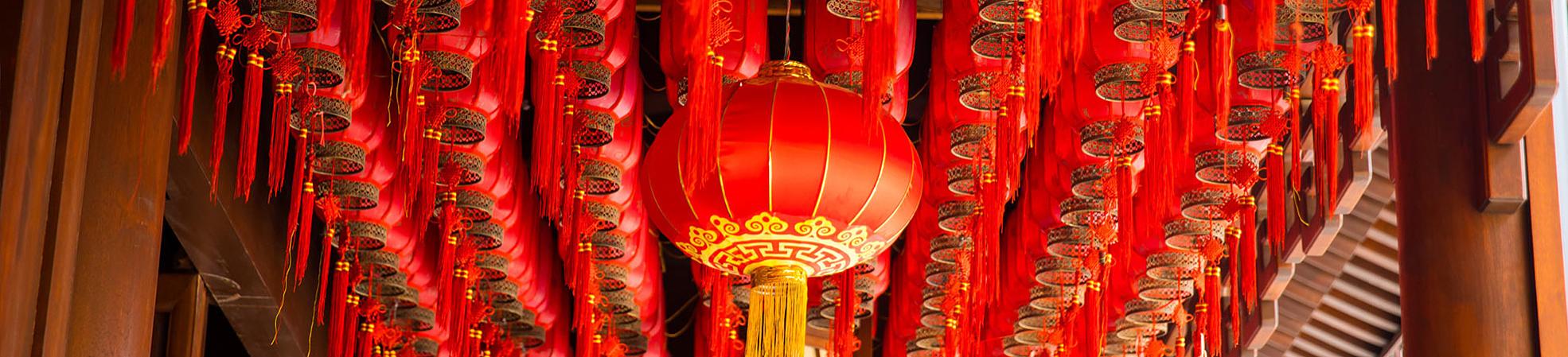
The Spring Festival, also known as Chinese New Year or Chūnjié, is the pinnacle of cultural celebrations in China, marking the lunar new year with a 15-day extravaganza of renewal and joy. For locals, it’s all about family—millions undertake the world’s largest annual migration, called Chunyun, to reunite at home. To experience it like a local, start by joining the pre-festival buzz: deep-clean your space (or a friend’s) to sweep away the old year’s bad luck, then decorate with red couplets, paper cuttings, and the iconic Fú (fortune) signs pasted upside down to “let fortune pour in.” This tradition dates back centuries and sets the festive tone.
On New Year’s Eve, the heart of the celebration unfolds with the nián yè fàn (reunion dinner). Northern families might craft dumplings symbolizing wealth, while southern ones prepare whole fish for abundance and glutinous rice cakes for prosperity—these festive foods aren’t just delicious; they’re symbolic. Tune into the CCTV Spring Festival Gala, a nationwide TV event blending comedy, music, and skits that unites families across China. As midnight strikes, step outside for fireworks and firecrackers to ward off evil spirits; the deafening symphony is pure local magic, though urban areas like Beijing now regulate displays for safety.
The following days bring local experiences like visiting relatives with fruit baskets or nuts as gifts, and children eagerly awaiting red envelopes (hóngbāo) filled with lucky money. Head to a temple fair—think folk performances, street snacks, and lion dances—for an immersive dive. Pro tip: Book accommodations months in advance to avoid the crowds, and learn phrases like “Xīn nián kuài lè” (Happy New Year). For deeper cultural insights, check out our post on How to Celebrate Chinese New Year in China Like a Pro.
Insider Tips for Spring Festival
- Stay with a host family via platforms like Couchsurfing for authentic dinners.
- Avoid peak travel; opt for smaller cities like Xi’an for less chaos.
- Try making dumplings in a cooking class—it’s a hands-on way to bond with locals.
Lighting Up the Lantern Festival: Riddles and Sweet Unity
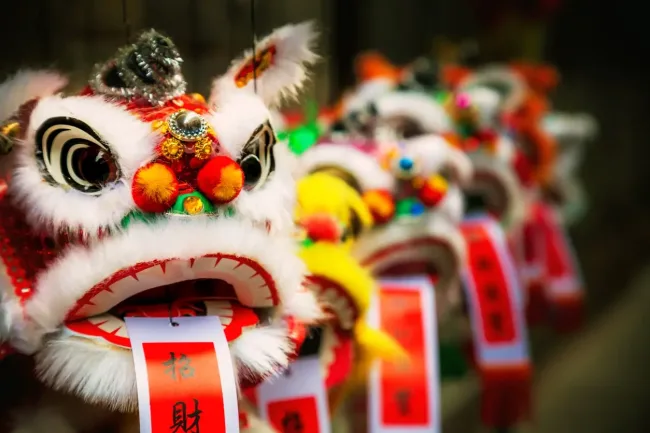
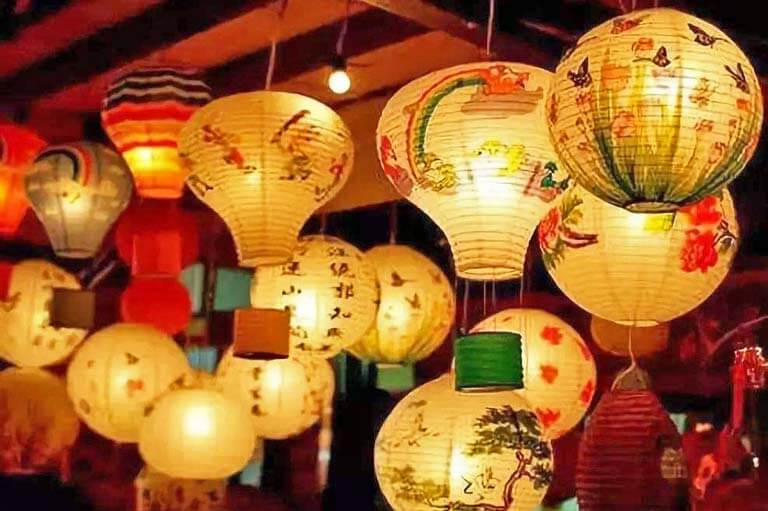
Marking the end of Spring Festival on the 15th day of the first lunar month, the Lantern Festival (Yuánxiāo Jié) is a mesmerizing blend of light, play, and community. Locals flood streets with glowing lanterns—ornate shapes of animals, myths, and modern motifs illuminating parks and riversides. In Beijing’s Ditan Park or Shanghai’s Yuyuan Gardens, the displays are spellbinding, but for true local experiences, seek rural villages where handmade crafts shine brightest. This custom symbolizes reunion and hope, tying back to ancient tales of guiding lost souls.
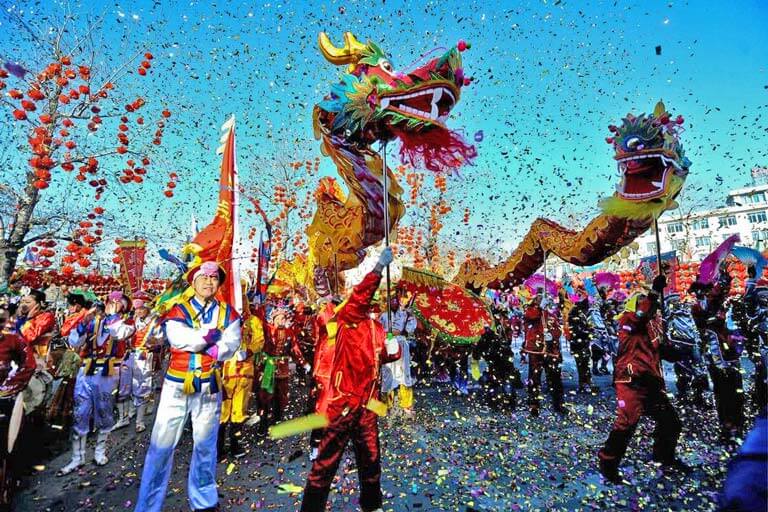
A highlight is guessing lantern riddles (cāi dēngmí)—clever puzzles hung from lanterns that test wit and spark laughter among friends. Solving one might win a small prize, making it an interactive way to mingle with locals. The night pulses with folk performances: dragon and lion dances, stilt walkers, and drumming that echo through the air. Don’t miss eating tāngyuán, sweet glutinous rice balls in syrup representing family unity—these festive foods are a must-try, especially homemade versions shared at communal gatherings.
To blend in, participate rather than observe: join a riddle contest or stroll with a lantern procession. Regional twists abound—urban spots lean spectacle-heavy, while villages emphasize rituals. If you’re in China during this time, pair it with a visit to historical sites for added depth. For more on blending tradition with travel, explore Top 10 Chinese Cultural Traditions Every Traveler Should Know.
Regional Variations and Etiquette
- In the south, expect more rice ball varieties; north favors elaborate parades.
- Respect crowds—personal space is fluid during cultural celebrations.
- Use apps like WeChat to find local events and translations.
Racing into the Dragon Boat Festival: Speed, Stories, and Savory Dumplings
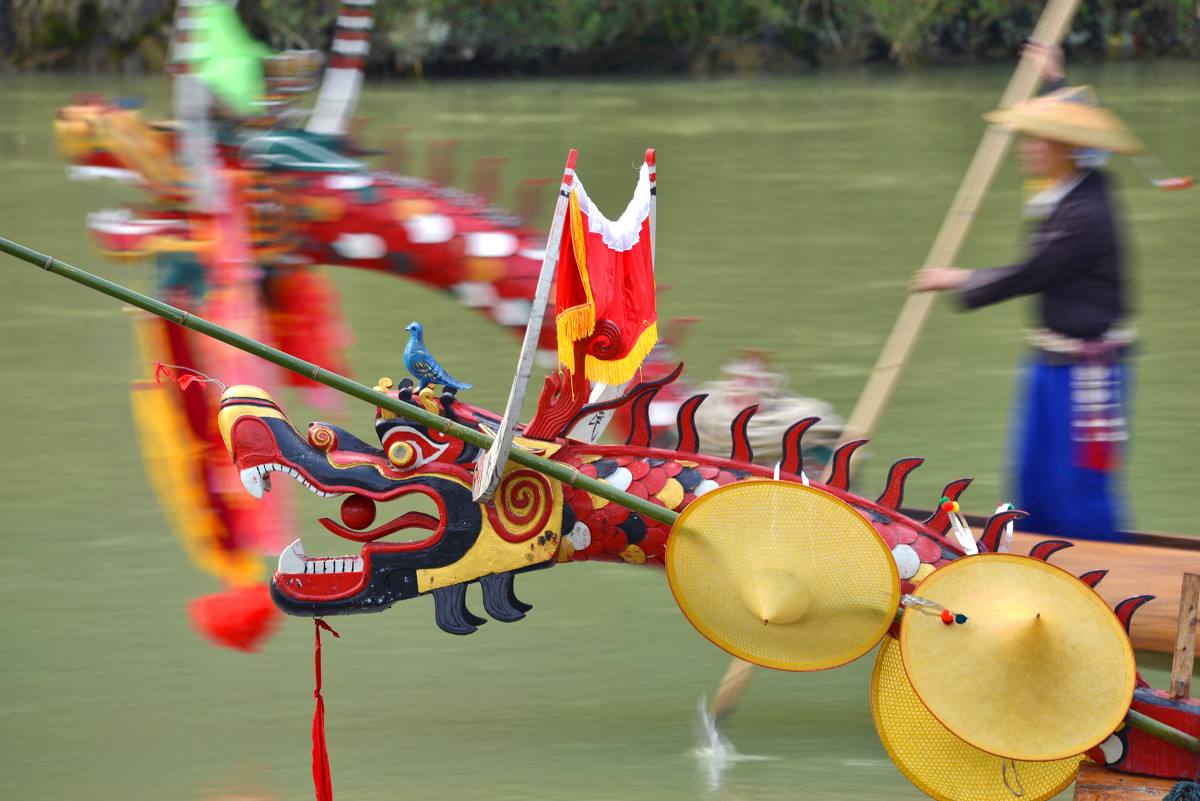
The Dragon Boat Festival (Duānwǔ Jié), on the fifth day of the fifth lunar month, pulses with adrenaline and folklore. Centered on commemorating poet Qu Yuan, locals honor him through thunderous drumbeats and synchronized paddling in carved dragon boats. Iconic races light up lakes in Hangzhou’s West Lake or Suzhou’s canals—join the cheering crowds for that electric local experience. These races, dating to the Warring States period, symbolize unity and resilience.
Beyond the boats, traditional customs include hanging mugwort or calamus to repel pests and balancing eggs at noon for good fortune. The real star? Zòngzi, pyramid-shaped glutinous rice dumplings wrapped in bamboo leaves, stuffed with meats, beans, or sweets depending on the region. Unwrapping and sharing these festive foods with locals—perhaps after a race—is a delicious ritual. In southern China, savory pork-filled versions dominate; try a workshop to learn the art of wrapping.
For immersion, volunteer at a community race or picnic by the water. It’s a festival of health and harmony, perfect for active travelers. If planning a broader cultural trip, read our guide to Exploring Chinese Festivals: A Guide to Vibrant Cultural Celebrations in China.
Practical Ways to Participate
- Book race-viewing spots early; smaller towns offer more access.
- Learn the Qu Yuan legend to chat with locals—stories build connections.
- Watch for herbal sachet traditions, a nod to ancient medicine.
Moonlit Magic of the Mid-Autumn Festival: Family, Mooncakes, and Lanterns
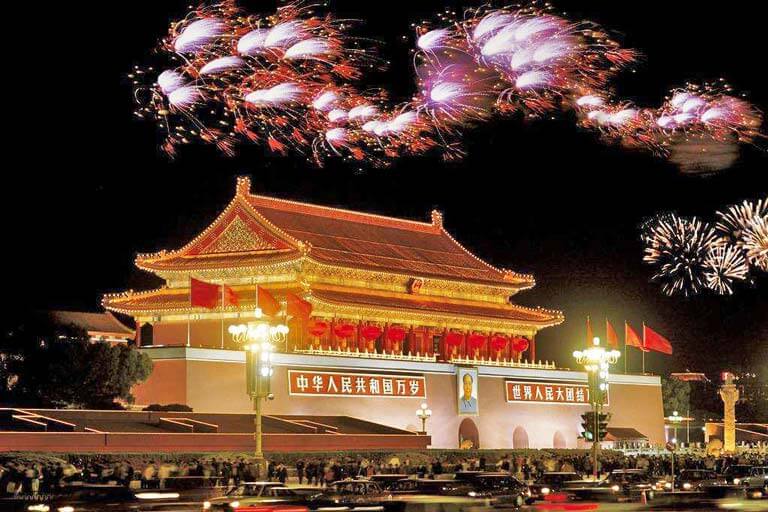
Falling on the 15th day of the eighth lunar month, the Mid-Autumn Festival (Zhōngqiū Jié) celebrates harvest and reunion under the fullest moon. Families gather in parks or hilltops for moon viewing, reciting poetry about the legendary Moon Goddess Chang’e. This tradition emphasizes gratitude and wholeness, with lanterns carried by children adding a whimsical glow to evening walks.
No festival is complete without mooncakes—dense pastries filled with lotus seed paste, salted egg yolks, or innovative flavors like ice cream. Sharing these festive foods, paired with tea and fruits, symbolizes unbreakable bonds. Urban locales like Hong Kong host grand lantern displays, but rural areas offer quieter, heartfelt local experiences.
To feel like a local, join a public viewing or exchange mooncakes as gifts (a sign of friendship). It’s a serene contrast to flashier holidays, ideal for reflection. For essential prep, see Essential China Travel Tips for a Memorable Journey.
Modern Twists on Tradition
- Try bakery tours for fresh mooncakes; avoid tourist traps.
- Stargaze with locals—apps help spot the moon’s glow.
- Respect gifting etiquette: even numbers for harmony.
Honoring Ancestors at Qingming and Beyond: Quiet Reflections and Regional Rites
Qingming Festival (Qīngmíng Jié), or Tomb-Sweeping Day, in early April, blends solemnity with spring’s renewal. Families visit graves to clean, offer food, burn joss paper, and fly kites to carry away misfortune. In southern China, enjoy green rice balls (qīngtuán)—mildly sweet festive foods evoking new growth. Traditional customs here stress filial piety; observe respectfully if invited, but prioritize privacy.
Beyond Qingming, explore ethnic festivals like Yunnan’s Water Splashing Festival among the Dai people—a joyful water fight for purification. These cultural celebrations highlight China’s diversity; in Sichuan’s Torch Festival, bonfires and wrestling ignite community spirit. For hidden gems, visit during off-seasons. Dive deeper into destinations with Best Places to Visit in China: Discover Iconic Landmarks and Hidden Gems.
General tips: Learn greetings like “JiéRì kuài lè” (Festival Happiness), participate actively, and vary locations—urban for spectacle, rural for intimacy. Respect varies by region; always ask before photographing rituals.
Experiencing traditional Chinese festivals like a local transforms your trip into a tapestry of local experiences, flavors, and connections that linger long after. From the explosive energy of Spring Festival to the reflective glow of Mid-Autumn, these events reveal the soul of China—resilient, communal, and endlessly enchanting. By embracing traditional customs and festive foods, you’ll not only witness cultural celebrations but become part of them, creating stories that define your journey.
Here at jusha.travel, we’re passionate about guiding you through China’s wonders. What’s your favorite festival memory, or which one are you excited to try? Share in the comments below, browse our related articles for more inspiration, or visit jusha.travel to plan your next adventure. Your authentic China story starts here!
