


Lai Chi Wo: Hong Kong’s Hakka Village That Came Back
The boat from Ma Liu Shui rounds a headland and the village arrives all at once: grey brick and tiled roofs pressed between a wooded hill and a shallow bay. No road leads in. A stone archway reads 暖窩, warm nest, and beyond it a lane climbs between houses locked for thirty years.
Lai Chi Wo is a Hakka walled village in Hong Kong’s northeastern New Territories, more than 300 years old and reachable only by ferry or on foot. It emptied almost completely by the 1990s and was revived by a farming programme that won a UNESCO heritage award in 2020.
At jusha.travel, we love tips that take you past the photograph and into the place. Here is how the village is laid out, which boat to catch, and what a day costs.
What is Lai Chi Wo Hakka village?
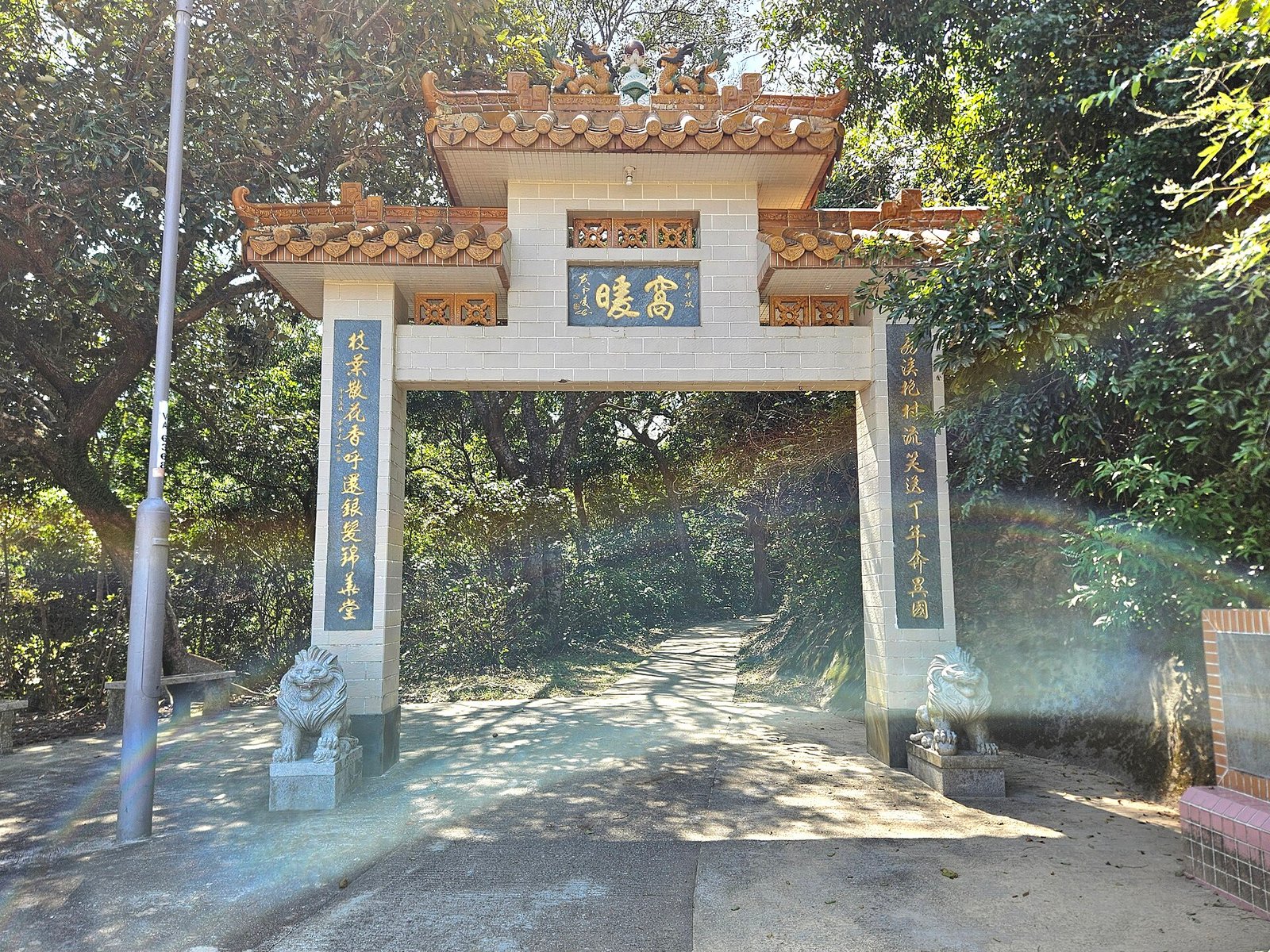
The village is a walled Hakka settlement of 211 houses set in three lanes and nine rows on a Sha Tau Kok hillside, inside the Hong Kong UNESCO Global Geopark. It is the largest of the seven villages of the Hing Chun Yeuk alliance, and its name, Lychee Nest, recalls fruit trees that village memory says never thrived.
The name appears on a coastal map printed in 1595, though the present settlement is usually dated to the early Qing resettlement. Four surnames built it: Tsang, Fan, Wong and Yip, and three ancestral halls remain.
Why did Lai Chi Wo empty out, and how did it come back?
The village emptied because there was no road, no secondary school and no cash crop, and it came back after 2013, when a farming-led programme restored its paddies and drew a handful of families home. At its peak it held over a thousand people; by 2010 two indigenous residents remained.
The turnaround began in October 2013, when the Hong Kong Countryside Foundation leased about 40,000 square metres of abandoned field and partnered with the Policy for Sustainability Lab at the University of Hong Kong and two conservation groups, with HSBC funding. According to the programme’s own account, the first rice harvest came in 2014; about six hectares are worked today, including some 700 arabica coffee trees grown under taller trees.
By November 2021, sixteen households had permanent members again, and in December 2020 the project took the inaugural Special Recognition for Sustainable Development in UNESCO’s Asia-Pacific heritage awards, one of two winners chosen from 48 entries across nine countries.
How do you get to Lai Chi Wo?
The village is reached by a weekend ferry from Ma Liu Shui, which takes about 90 minutes and costs HK$45 one way, or on foot along the Double Haven Country Trail from Wu Kau Tang, an eight-kilometre walk of two and a half to three hours. No road, taxi or bus reaches the village.
The boat leaves Ma Liu Shui landing number three at 09:00 and returns at 15:30, HK$90 return; the Transport Department’s notice confirms the HK$45 single fare. Tickets are sold at the booth on the day, cash only, with no booking and no child rate. Bus 272K from University Station takes ten minutes.
| Route | Fare, one way | When it runs |
|---|---|---|
| Ma Liu Shui pier | HK$45 (HK$90 return) | Sat, Sun, holidays; out 09:00, back 15:30 |
| Wu Kau Tang on foot | Bus 275R or minibus 20R | Daily; 8 km, 2.5 to 3 hours |
| Sha Tau Kok pier | HK$40 | Daily, but the pier sits inside the closed area |
Sha Tau Kok looks convenient and is not: the pier sits inside a restricted area needing a permit, which day visitors rarely hold.
What does the village layout tell you?
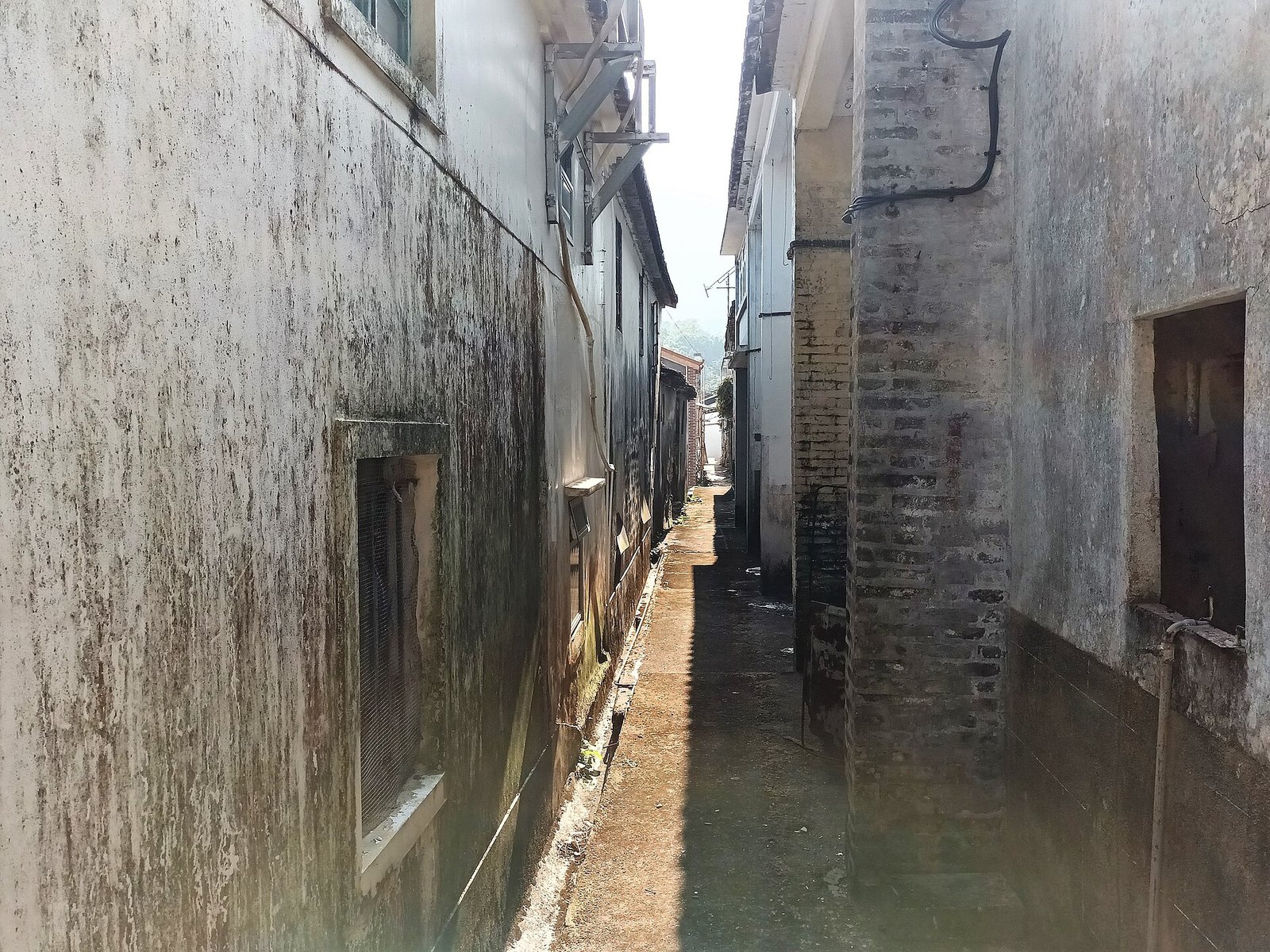
Lai Chi Wo follows a feng shui plan of three vertical lanes and nine horizontal rows, climbing so each row sits above the one in front, with the main gate facing east toward the water. The settlement once sat inside a brick wall built, the Countryside Conservation Office records, more than a hundred years ago to hold fortune in and keep raiders out.
The east gate was the everyday entrance; the west gate carried the brides, who walked the last stretch by the western wall along the bride’s path. The custom held into the 1960s, and two stone wells still hold water.
Who is worshipped at Hip Tin Temple?
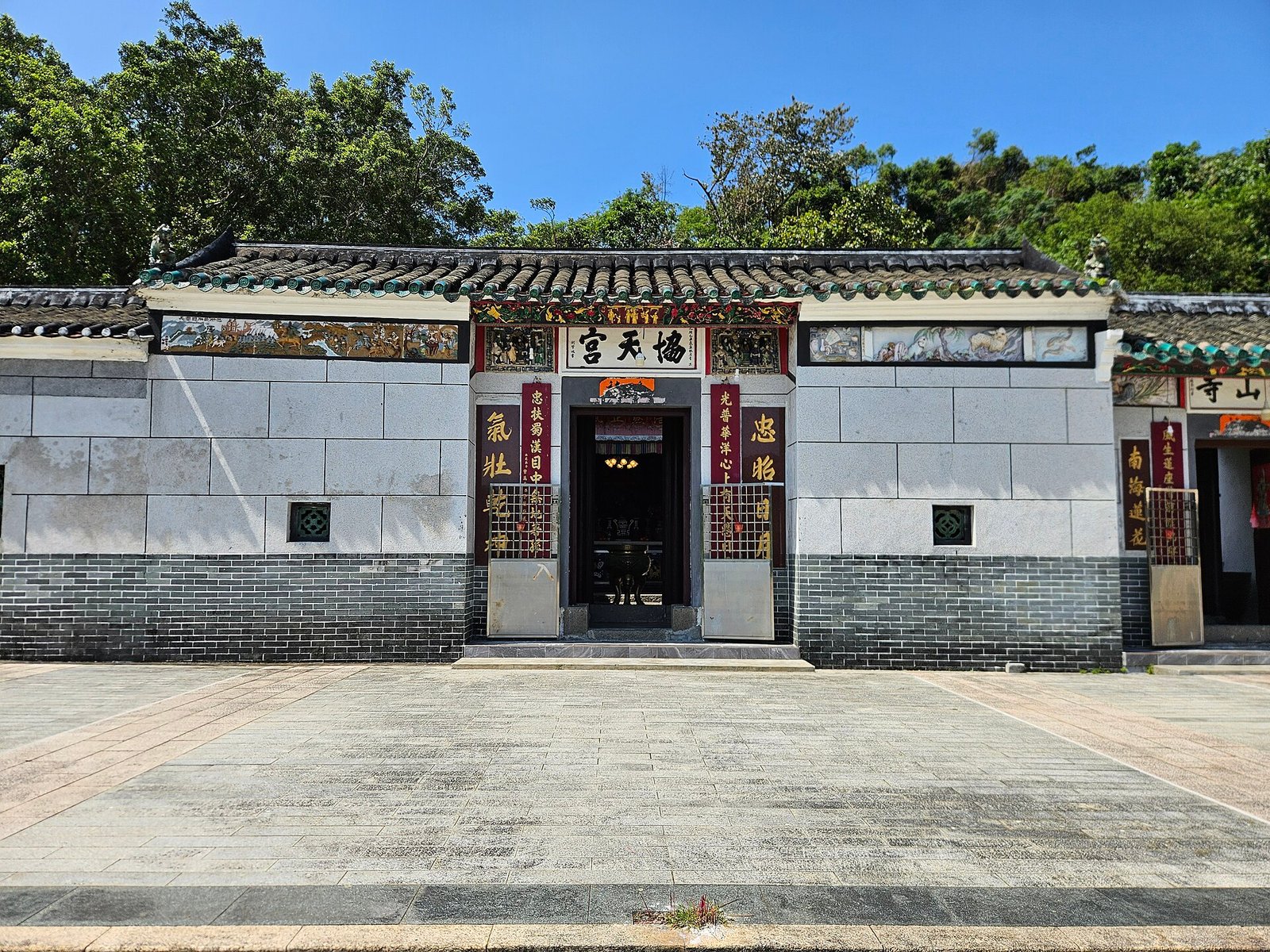
Hip Tin Temple is a Qing building of three bays and two halls around a courtyard, raised around 1900 for Kwan Tai, the god of loyalty and war. The Antiquities Advisory Board’s appraisal dates it by its wall paintings, and notes the ceramic figurines over the entrance; the Hok Shan Monastery shrine to Guanyin sits against its left flank.
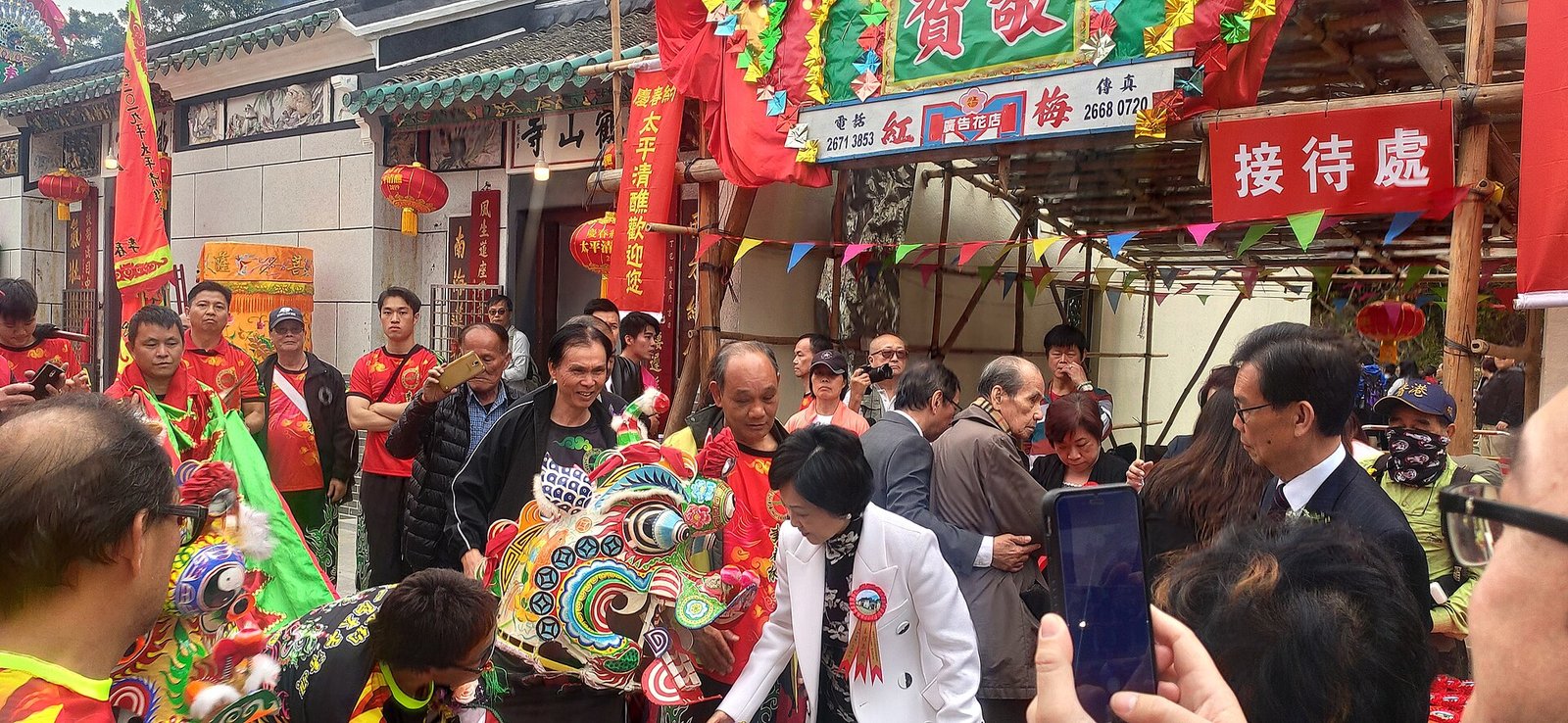
Both are Grade 3 historic buildings shared by the seven Hing Chun Yeuk villages, of which Lai Chi Wo is the centre. On the thirteenth day of the sixth lunar month, Kwan Tai’s birthday, families still bring offerings, and every ten years the villages stage a Taiping Qingjiao with a bamboo theatre; the last ran in December 2019.
Why does the feng shui forest matter?
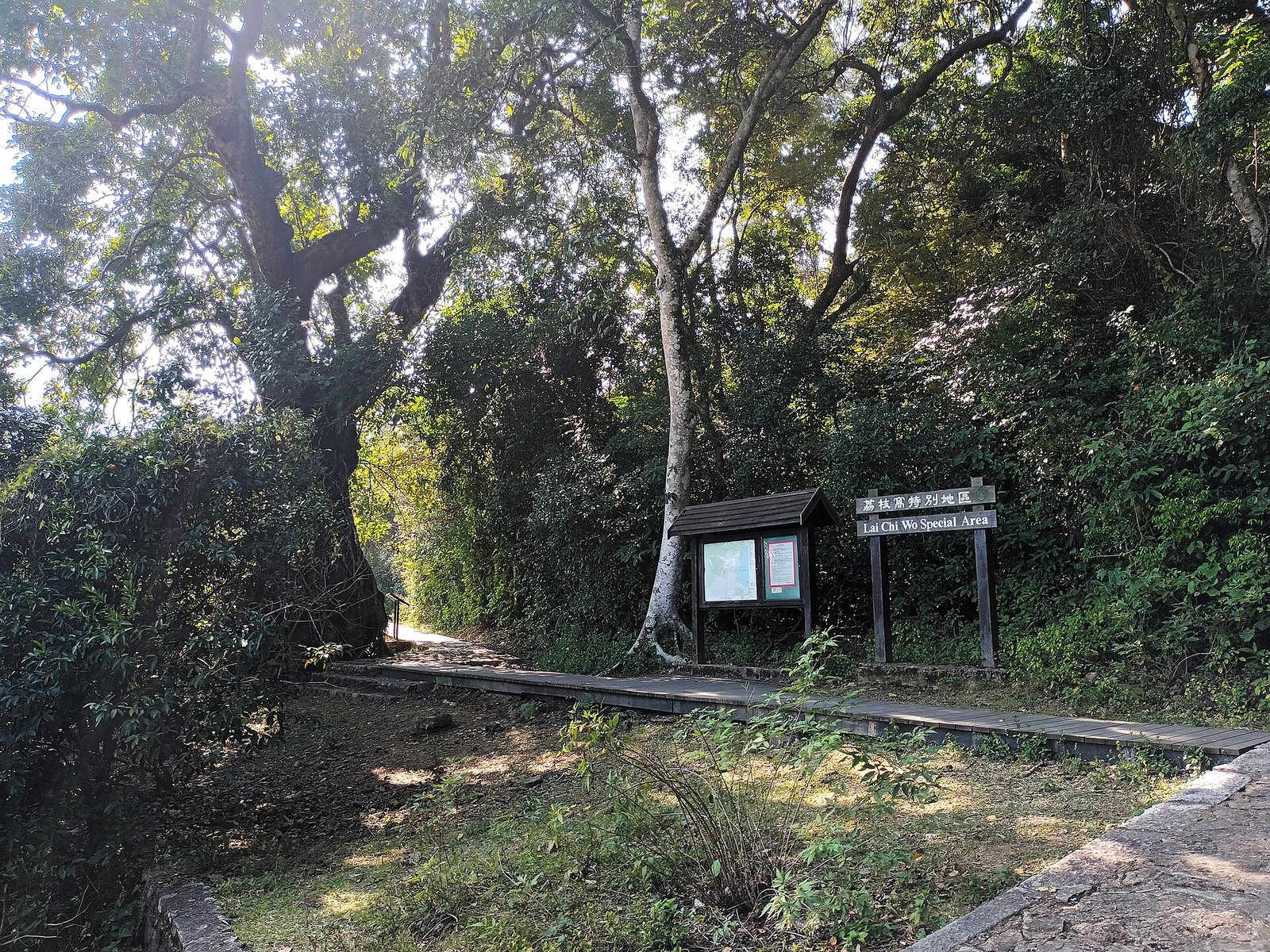
The feng shui forest behind the village is a stand of mature trees protected by custom for generations, surviving because felling was forbidden except on appointed days for firewood. The boardwalk at its edge closes overhead within twenty metres, and the shade is the coolest place in the village.
Below, freshwater wetland runs into mangrove and mudflat. All eight true mangrove species recorded in Hong Kong grow here, along with looking-glass trees whose roots rise as flat buttresses and a white-flowered climber looping between trunks into arches. At low tide the mud clicks with fiddler crabs. The beach became a Site of Special Scientific Interest in February 1979, eleven hectares protecting a seagrass bed.
What grows in the fields now?
About six hectares of Lai Chi Wo’s old paddy are worked again, growing rice, taro, ginger, turnip and papaya alongside the coffee planted as a higher-value crop. Returning villagers and new farmers from the city share the work as of November 2026.
Weekend visitors eat from the same land: salted chicken, braised pork with preserved vegetable, tofu pudding and fried fish balls, sold from village houses and trestle tables. It is homely cooking rather than restaurant cooking, and it is why many Hongkongers take the boat at all. For the wider picture, see our guide to Hong Kong food.
When should you go?
November to December is the best window for Lai Chi Wo, when humidity drops, the walking is cool and the rice stands golden before the cut. Spring is green but grey, summer is punishing, and the typhoon months can cancel the boat at a day’s notice.
| Season | What it looks like | Verdict |
|---|---|---|
| Nov to Dec | Dry, clear, rice ripening | Best; weekends busy |
| Jan to Mar | Cool, often overcast, fields fallow | Quiet and photogenic |
| Apr to Jun | Hot, humid, heavy rain | Green but sweaty |
| Jul to Oct | Hottest; typhoon season | Avoid the ferry gamble |
Is Lai Chi Wo free to visit?
There is no ticket office and no entrance fee, so the only unavoidable cost is transport: about HK$90 return by ferry, or roughly HK$60 in bus fares if you walk in. Budget HK$80 to HK$120 more for lunch.
Bring cash in small notes: there is no ATM, some stalls take no cards, and the ferry booth is cash only. As of November 2026 a comfortable day, ferry included, costs under HK$250.
How should you plan the day?
A day at Lai Chi Wo runs on a single boat in each direction, so the timetable writes the plan for you: arrive at nine, leave at half past three, and fit the village, a meal and the wetland into the hours between.
- Be at Ma Liu Shui pier number three by 08:40 and buy a return ticket; the boat loads early and leaves at 09:00.
- Walk up from the pier, pass under the archway and take the eastern lane first, while day-trippers are still on the waterfront.
- Circle clockwise: east gate, the three ancestral halls, Hip Tin Temple, then the boardwalk along the feng shui forest.
- Eat between 11:30 and 13:30, when the weekend kitchens cook; by 14:30 the pots are being washed.
- Time the wetland loop to low tide, and check a tide table before you leave home.
- Be back at the pier by 15:15. There is no second sailing.
Practical tips for a first visit
- Carry cash in small notes for the ferry, the stalls and any workshop.
- Fill your bottle before boarding; there is a tap in the village, little on the trail.
- Wear grippy shoes; the lanes are paved but the wetland boardwalk gets slick.
- Take your rubbish out; bins are scarce and the village pays for its own collection.
- Leave the drone at home; flying in a country park needs a permit day visitors lack.
A village that decided not to disappear
Lai Chi Wo is not a museum but a compromise between a clan that left and a generation that came back. The rice is real, the coffee experimental, and the houses behind the third lane still roofless; that unfinished quality is the honest reason to go now.
If walking is what draws you, pair this with our guide to the Geopark’s hexagonal rock columns and our list of Hong Kong hiking trails. For villages on water rather than behind walls, read about Tai O’s stilt houses, or walk the Ping Shan Heritage Trail.
Have you made the boat? Tell us in the comments which lane you liked best, and we will add it to the next update.
Frequently asked questions
How do I get to Lai Chi Wo from central Hong Kong?
Take the MTR to University Station, bus 272K to Ma Liu Shui pier, then the 09:00 ferry, which costs HK$45 and runs on Saturdays, Sundays and public holidays.
Can you stay overnight in Lai Chi Wo?
Yes, in a handful of licensed village houses run as the Lai Chi Wo Hakka Life Experience Village, but rooms are few and must be booked well ahead.
Are there restaurants or shops in the village?
Village stalls open mainly at weekends and on public holidays, serving salted chicken, braised pork and tofu pudding; on ordinary weekdays nothing may be open.
How long does the hike from Wu Kau Tang take?
The Double Haven Country Trail is about eight kilometres and takes two and a half to three hours, with modest climbing and long unshaded stretches.
What is the best month to visit Lai Chi Wo?
November and December are best, with dry air, cool walking temperatures and rice still standing in the fields; July to October brings heat and typhoon risk.