
What Makes Lijiang’s Old Town a Living Museum of Naxi Culture

Welcome to jusha.travel, your go-to guide for uncovering the wonders of China! If you’re planning a trip to Yunnan province, Lijiang’s Old Town is a must-visit destination that effortlessly blends history with vibrant daily life. Often called a “living museum,” it showcases the rich Naxi culture through its stunning Yunnan heritage, featuring intricate traditional architecture and ongoing efforts in cultural preservation. As travelers seek authentic experiences beyond just tourist spots, this UNESCO World Heritage Site offers an immersive journey into China’s ethnic diversity. Here at jusha.travel, we love sharing tips to make your China adventure unforgettable, and we’ll guide you through what makes Lijiang’s Old Town so special.
Historical Foundations of Naxi Culture and Architecture
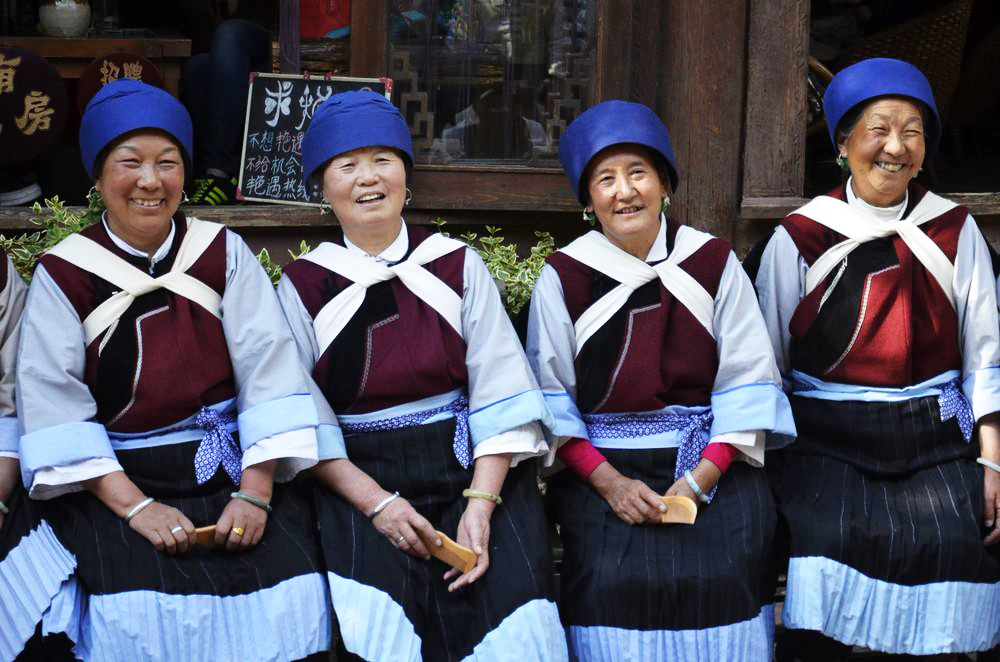
Lijiang’s Old Town traces its roots back to the late Song to early Yuan period (late 13th–14th century), serving as a key trading hub on the ancient Tea Horse Road, connecting Tibet, Yunnan, and other parts of China [UNESCO World Heritage Site]. This location facilitated the Mu clan chieftains’ rule for centuries, blending Naxi administration with influences from Han, Bai, and Tibetan cultures [China Local Tours]. The town’s Yunnan heritage is evident in its resilient traditional architecture, which preserved Ming and Qing dynasty features even after a devastating 1996 earthquake. Streets, alleys, and residential structures remain intact, with open layouts symbolizing Naxi hospitality [CGTN]. For more on China’s rich history and culture, check out our post on Exploring China: History, Culture, and Modernity.
Cultural Fusion in Naxi Traditions and Daily Life

The heart of Lijiang’s Old Town lies in its harmonious cultural fusion, where Naxi customs intertwine with broader influences, creating a vibrant living heritage. The strategic location attracted Han and Tibetan traders, leading to musical, culinary, and festive exchanges [UNESCO World Heritage Site]. Naxi people preserved ancient Chinese Classical music learned from Han traders during the Ming dynasty, a unique tradition only found here [Visit Yunnan China]. Festivals like the Torch Festival (July) and Bangbang Festival (February) embody this blend, inviting participation with music, dances, and rituals [China Local Tours]. Cuisine and handicrafts also reflect syncretic influences, from tea ceremonies to wooden carvings that showcase the Naxi’s reverence for nature [Visit Yunnan China]. Discover more cultural traditions in our guide to Top 10 Chinese Cultural Traditions Every Traveler Should Know.
Architectural Gems and Spiritual Preservation

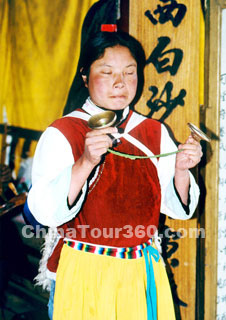
Lijiang’s traditional architecture is a visible testament to Naxi ingenuity and cultural preservation. Two-story, timber-framed houses with tile roofs line the hillsides, featuring wooden carvings, garden courtyards, and auspicious orientations facing southeast or east for good fortune [UNESCO World Heritage Site, CNTourism]. Waterways and bridges emphasize balance with nature, while decorative motifs symbolize everyday life, from pottery to floral designs [CGTN]. At the spiritual core is Dongba culture, led by shamans who use the world’s only surviving pictographic script—the Dongba script—for rituals, omens, and ancestral worship [UNESCO World Heritage Site]. The Museum of Naxi Dongba Culture houses artifacts that reveal this shamanic faith’s fusion with Buddhism and Taoism [China Odyssey Tours]. For insights into China’s architectural wonders, read our post on Exploring Hong Kong: A Comprehensive Guide to Its Top Attractions.
The Living Community and Modern Preservation

Today, Lijiang’s Old Town thrives as a genuine living community, where elderly residents continue Naxi traditions amid tourism and modernization. They maintain gardening, woodcarving, and music-making, keeping languages, crafts, and performing arts alive [WW Providers, CNTourism]. UNESCO recognition has protected intangible heritage, while intergenerational transmission ensures continuity [UNESCO World Heritage Site]. This open atmosphere allows visitors to participate in festivals and observe daily life, making it more than a relic—it’s a truly accessible “living museum” [China Local Tours]. Don’t miss sites like Mu Mansion and Black Dragon Pond for deeper cultural insights. To plan your trip effectively, check out Essential China Travel Tips for a Memorable Journey.
Practical Tips for Visitors

To truly appreciate Lijiang’s Old Town, plan your visit for spring or autumn to avoid crowds and enjoy mild weather. Explore on foot or bike, sampling local Naxi cuisine like baba (barley pancake) or yak butter tea. Respect the community by dressing modestly at religious sites and learning basic phrases. For tech-savvy travelers, apps like Baidu Maps facilitate navigation. With its evolving Naxi culture and preserved Yunnan heritage, Lijiang offers an authentic glimpse into China’s ethnic tapestry.
- Visit Timing: Shoulder seasons for best experiences.
- Entry Fee: Around 100 RMB; combine with Yongchang Park for value.
- Transportation: Fly to Lijiang Airport (LJG) or take a high-speed train from Kunming.
- Local Cuisine: Try yumi (cornmeal cakes) and flavor-infused teas.
Immerse yourself in the daily rhythm—watch artisans at work or join a Dongba script workshop. This preservation ensures that the town’s traditional architecture and cultural preservation efforts continue to educate and enchant.
In conclusion, Lijiang’s Old Town’s true magic lies in its dynamic Naxi culture, where ancient Yunnan heritage meets modern life through meticulous cultural preservation and breathtaking traditional architecture. It’s not just a historical site but a breath of fresh air in China’s travel scene, inspiring cultural enthusiasts and adventurers alike. Here at jusha.travel, we encourage you to dive deeper—share your own travel stories or thoughts in the comments below. For more China inspiration, visit jusha.travel to explore articles like 10 Must-Visit Hidden Gems in China or Top 10 Must-Visit Cities in China for 2025 Adventures. Happy travels!
