


Strolling the Shadowy Alleys of Kashgar’s Uyghur Bazaar
Welcome to Jusha Travel, your gateway to discovering China’s hidden gems and cultural treasures. If you’re dreaming of stepping into a world where ancient trade routes meet vibrant marketplaces, the Kashgar Uyghur bazaar in Xinjiang awaits. Known for its shadowy alleys teeming with China Silk Road history, this marketplace embodies Xinjiang cultural vibes, offering a glimpse into traditional bazaar trading trends that have shaped commerce for millennia. Join us as we explore the essence of this iconic spot, blending historical insights with practical travel tips to make your journey unforgettable.
A Journey Through History: The Silk Road Roots of Kashgar’s Bazaar
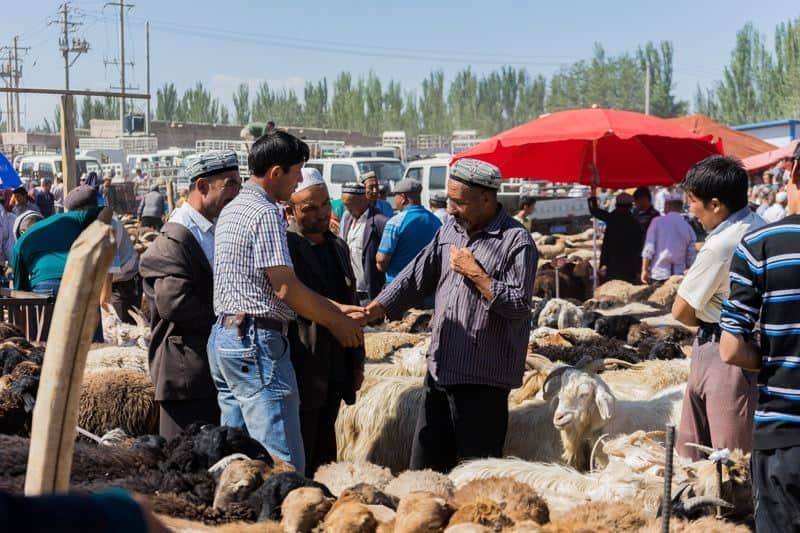
Nestled at the crossroads of Central Asia, Kashgar’s Uyghur bazaar has been a pivotal hub in China since ancient times. Dating back over 2,000 years, it’s often called Asia’s oldest market, strategically positioned on the historic China Silk Road alleys that connected China to Europe for over 17 centuries. As Marco Polo noted in the 13th century during his travels along these trade routes, Kashgar served as a gathering point for merchants from kingdoms like the Han and Tang dynasties.
Cultural remnants from this era linger in the shadowy China markets, where Uyghur vendors keep alive Xinjiang cultural vibes through crafts and traditions. The bazaar once sprawled across 250 acres, hosting up to 4,000 shops that sold everything from silk and spices to Central Asian carpets, reflecting bazaar trading trends that prioritized artisanal goods over mass-produced items. Today, while the original grand bazaar was redeveloped in recent years to meet modern tourism needs, its spirit endures in Sunday markets and nearby stalls, offering travelers authentic insights into Uyghur heritage.
For more on China’s deep history, read our guide to the China Silk Road.
The Bazaar Experience: Navigating Xinjiang’s Market Maze
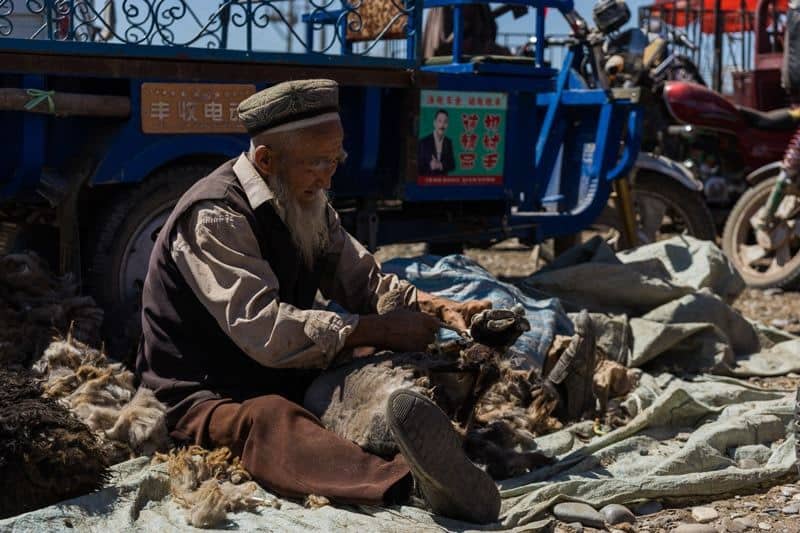
Stepping into Kashgar’s Uyghur bazaar feels like wandering a labyrinth of sensory delights. The shadowy alleys, once crowded with 100,000 daily visitors, create an immersive atmosphere where navigation requires patience and curiosity. Uyghur artisans skillfully haze their goods, from embroidered skullcaps to traditional knives, embodying the Xinjiang cultural vibes that have made this market a living museum.
Morning starts early, with vendors arranging fragrant spices like cumin and chilies, evoking the bustling scenes of old China Silk Road alleys. The maze-like layout, designed for community cohesion rather than government oversight, fosters intimate interactions—something anthropologist Darren Byler noted as key to Uyghur identity. As you explore, sample delicacies like fresh fruta seca or try your hand at haggling for souvenirs, keeping in mind bazaar trading trends that favor face-to-face negotiations over fixed prices.
Practical tip: Plan for Xinjiang weather; it’s cooler in bazaar seasons (April-October). For similar market vibes, check out our post on China’s night markets.
Cultural Heart: Uyghur Traditions and Community in the Bazaar
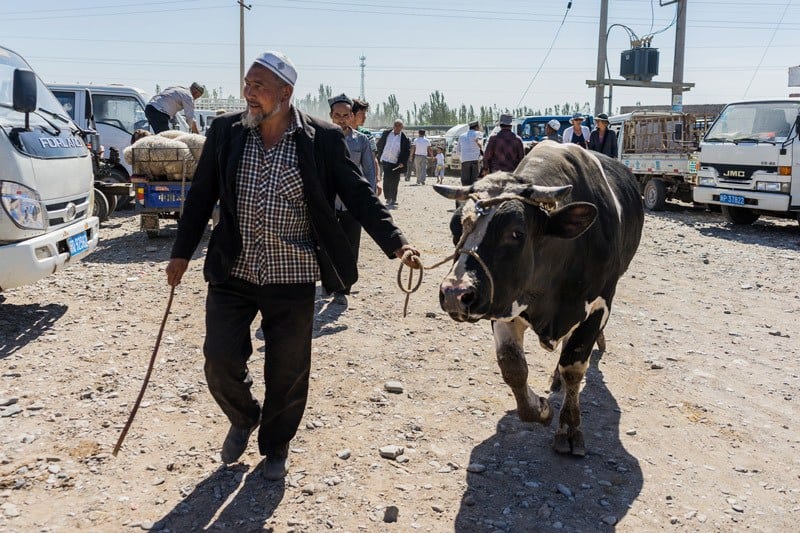
The Kashgar Uyghur bazaar isn’t just a marketplace—it’s the beating heart of Uyghur culture. Dominated by ethnic vendors, it offers a diverse array of goods like spices, dried fruits, and handwoven carpets that trace back to Silk Road traditions. The shadowy China markets resonate with Xinjiang cultural vibes, where social cohesion thrives despite historical challenges. Before recent changes, community resistance prevented Han Chinese commercial takeovers, preserving autonomy unlike markets in other towns.
Festivals and daily life intersect here, with bazaar trading trends blending ancient craftsmanship with practical needs. Locals gather for mosque visits or tea rituals, highlighting Uyghur resilience. As one merchant once said, the bazaar “exhibits Uyghur culture and spirit.” Even post-redevelopment, visiting offers meaningful exchanges—perhaps learning about traditional embroidery or music.
Dive deeper into China’s diverse cultures in our exploration of China history, culture, and modernity.
Modern Transformations: Bazaar Trading in Today’s Xinjiang
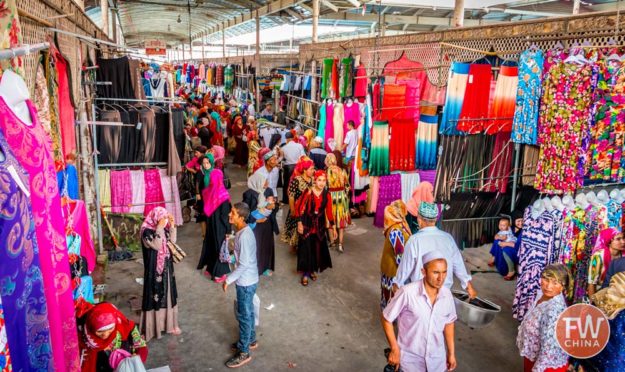
While the original Kashgar Uyghur bazaar faced demolition in 2021-2022 for a new tourist site, Xinjiang cultural vibes persist. Shifts reflect broader bazaar trading trends adapting to global tourism—think eco-friendly mats and digital payments via WeChat. The replacement venue maintains historical essence but incorporates technology, aligning with China’s innovations.
These changes, debated for cultural impacts, highlight Uyghur heritage preservation efforts. Travelers can still experience dynamic commerce in Sunday auctions or tech-integrated stalls. For insights, visit during peak seasons to observe evolving exchanges that honor tradition yet embrace modernity.
Learn about Xinjiang’s standout spots in our top 10 cities guide.
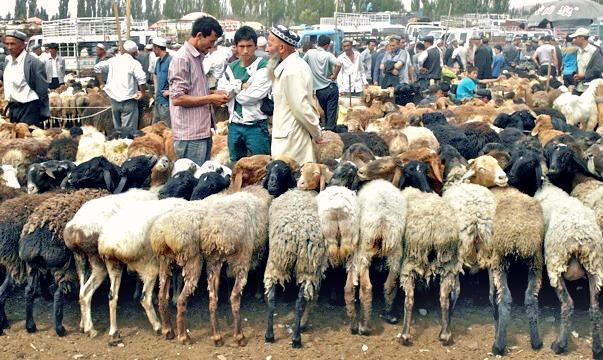
Culinary Delights: Flavors of the Uyghur Bazaar
No Kashgar Uyghur bazaar visit is complete without tasting Xinjiang specialties. Shadowy China markets buzz with kebabs, naan bread, and sweet raisins, blending tastes from across the Silk Road. These dishes, often prepared in open stalls, showcase Xinjiang cultural vibes through communal dining—grab skewers with locals for an authentic chat.
Bazaar trading trends extend to food, with seasonal harvests dictating offers. Highlighted items like Xinjiang lamb kebabs or pomegranate juice provide flavorful insights into regional heritage, perfect for piquing culinary curiosity.
Extend your China food journey with our guide to top Chinese dishes.
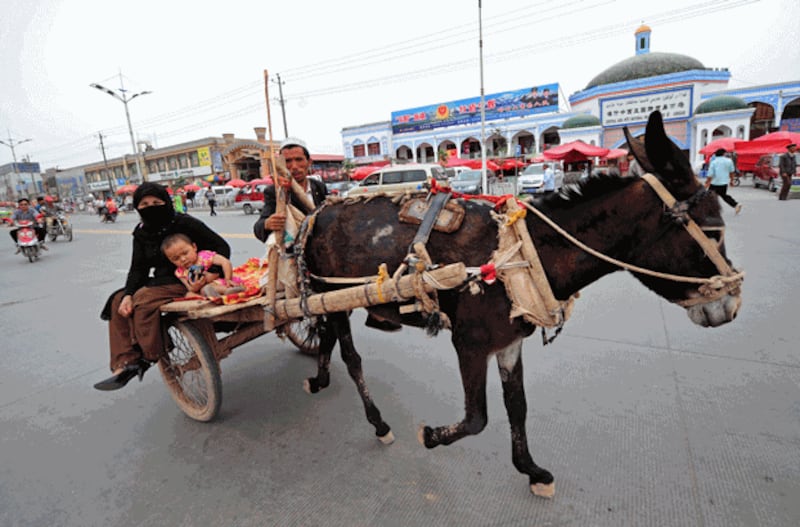
Festive Vibes: Celebrating Xinjiang Traditions
During festivals like Korban Eid or Sabbath gatherings,Explor the Kashgar Uyghur bazaar transforms with music, dance, and shared meals, amplifying Xinjiang cultural vibes. These events spotlight bazaar trading trends in cultural exchange, where handcrafted goods tie to traditional stories. Even in renovated spaces, spring celebrations (as in Chinese New Year blends) keep the atmosphere lively.
Attending such events offers a window into Uyghur resilience, with visitors encouraged to respectfully participate. It’s a chance to witness community bonds that make Xinjiang travel so enriching.
For festival insights, explore our guide to Chinese festivals.
As we wrap up our stroll through Kashgar’s Uyghur bazaar, remember the enduring allure of China’s Xinjiang cultural vibes and Silk Road legacy. These shadowy alleys continue to inspire, offering timeless lessons on community and commerce. Here at jusha.travel, we cherish sharing such stories to enhance your China adventures. Have you explored similar markets? Share in the comments, visit jusha.travel for more inspirations, or check our related China travel tips to plan your next trip!
Frequently asked questions
What is Kashgar's Uyghur bazaar like?
The post covers strolling the shadowy alleys of Kashgar's Uyghur bazaar, presenting the bazaar as a place to walk through its narrow lanes.
Where is the Kashgar Uyghur bazaar?
It is in Kashgar, and the post presents the bazaar's shadowy alleys as the setting for the experience.
What can I buy at the Kashgar bazaar?
The post covers strolling the shadowy alleys of the bazaar, presenting it as a market to wander through in Kashgar.
What is the atmosphere of Kashgar's bazaar?
The post describes shadowy alleys, presenting the bazaar as a place of narrow, shaded lanes to stroll.
Is the Kashgar bazaar worth visiting?
The post presents strolling the shadowy alleys of Kashgar's Uyghur bazaar as an experience worth seeking out on a Silk Road journey.