
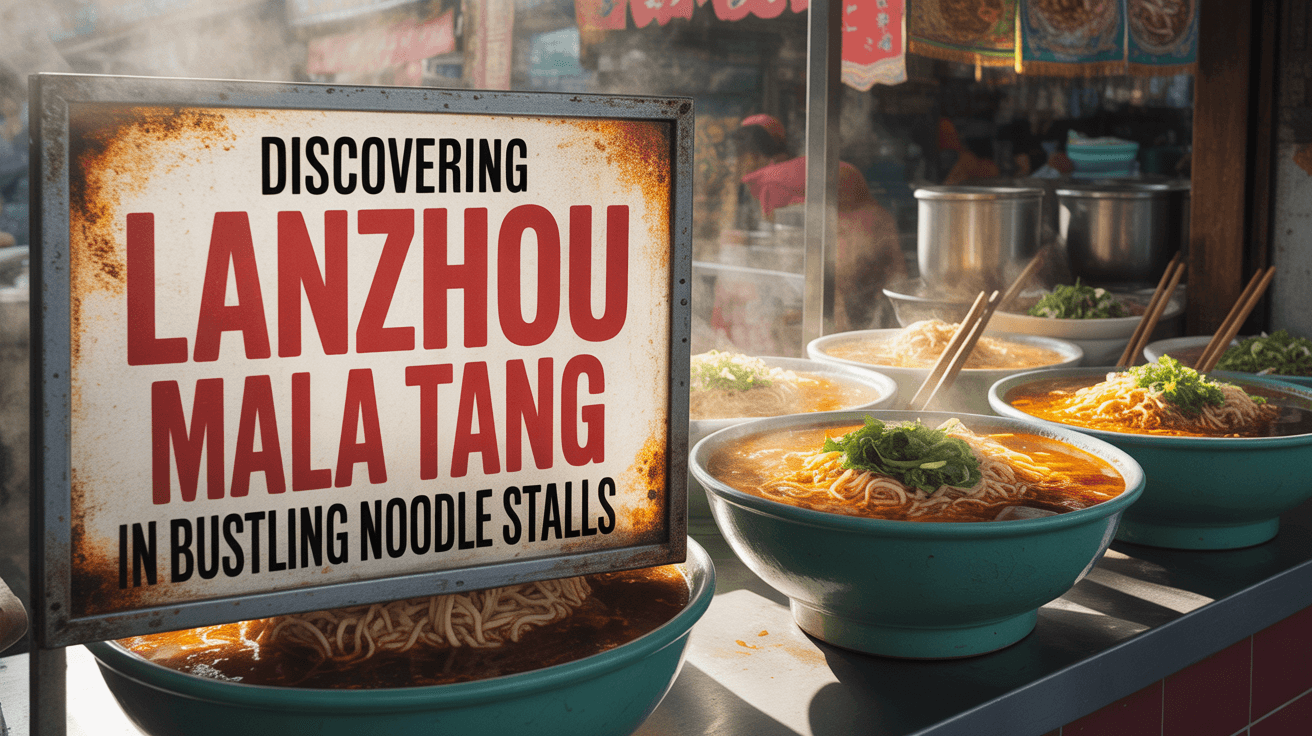
Discovering Lanzhou Mala Tang in Bustling Noodle Stalls
If you’re intrigued by the vibrant flavors of China’s cuisine, then Lanzhou Mala Tang is a must-try experience that captures the essence of China famous street food and the bustling soul of Lanzhou. Here at jusha.travel, we love sharing China travel guide insights to help you discover hidden gems like this fiery dish. Originating from Sichuan province but perfected in the noodle stalls of northwest China’s Lanzhou, mala tang combines numbing *mala* heat with hearty ingredients, offering a sensory explosion that’s both thrilling and addictive. Whether you’re a food enthusiast or just curious about China culinary experiences, this dish embodies the spicy, communal spirit of street eating. Explore Lanzhou travel tips and prepare for an unforgettable taste journey through one of China’s most iconic foods.
Origins and History of Lana Tang
Malatang, literally meaning “numb, spicy, hot,” traces its roots back to Sichuan province in ancient China. According to Wikipedia, this hot pot-style street food emerged among Yangtze River trackers in the damp, chilly conditions, where they simmered Sichuan peppercorns and chilies to ward off illness and boost warmth. The dish evolved from necessity to a culinary staple, gaining popularity in urban markets during the 2010s. In Lanzhou, where the Silk Road met Hui Muslim influences from nearby Lanzhou beef noodles, malatang adapted uniquely. The Elevated Trips blog notes that vendors began offering customizable skewers in communal pots, priced by weight, making it accessible for busy city dwellers. This fusion of traditions highlights China’s rich culinary tapestry, where humble beginnings led to a global phenomenon, even inspiring overseas chains with “choose-your-own” formats.
As part of China famous street food, malatang’s rise parallels modern China’s tech-infused life—think quick bites amid high-speed commutes. It’s not just food; it’s a celebration of adaptability, from ancient healers to today’s students and workers seeking flavorful comfort. In Lanzhou, this spicy soup reflects regional tastes for intensity, merging with local beef broth for a distinctive twist.
Lanzhou’s Unique Mala Tang Twist
What sets Lanzhou Mala Tang apart is its symbiotic relationship with the city’s noodle culture. Berkshire Publishing highlights how Lanzhou beef noodles, dating to the early 20th century, form the backbone of local cuisine—hand-pulled wheat noodles in clear, aromatic lamb or beef broth. In bustling noodle stalls, malatang often incorporates these noodles into the spicy base, creating a fusion that’s uniquely Northwest Chinese. The numbing *ma* from Sichuan peppercorns, paired with fiery *la* from dried chilies, complements the noodle’s texture, offering a one-bowl wonder that’s both comforting and exhilarating.
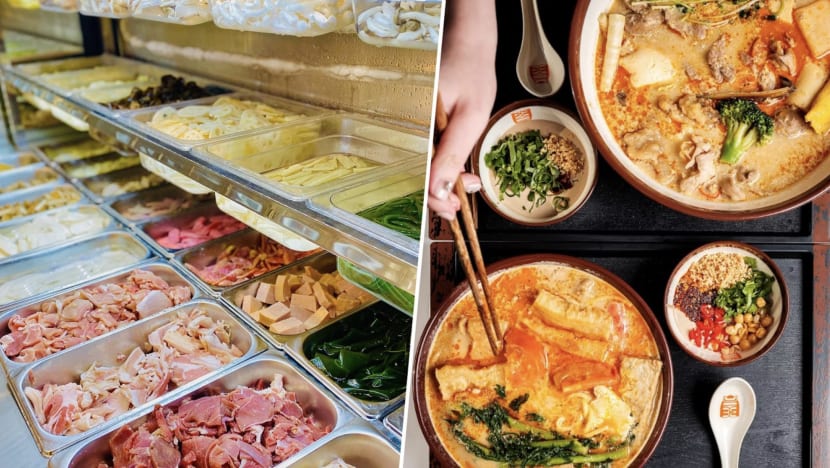
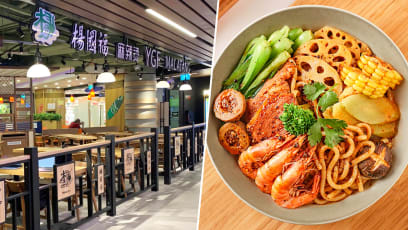
Typical ingredients include tender meats, crispy veggies, tofu, and dumplings, all customizable to spice levels. Unlike group hotpots, malatang is designed for solo indulgence, quick and casual amid the stall’s steam and chatter. For China culinary experiences, this dish exemplifies how street food evolves—incorporating modern elements like weight-based pricing while honoring traditions from boat trackers to Silk Road traders. In Lanzhou’s Gansu province markets, stalls often blend Hui Muslim influences, adding aromatic spices that tell stories of cultural exchange.
Practical Tips for Your Lanzhou Travel Experience
Ready to dive into Lanzhou Mala Tang? Visit during peak meal times when stalls hum with energy—expect queues but authentic vibes. Start mild if unsure, as spice heat is adjustable with extra vinegar or chili. From The World of Chinese, stalls use communal broths, so watch your skewers for extra crispiness. For Lanzhou travel tips, arrive hungry and explore variations like beef-infused tang alongside traditional noodle bowls. Use apps like Meituan or Dianping to locate hygienic spots, paying attention to freshness cues—vibrant greens and steam indicate quality.
Budget around ¥20-50 ($3-8) per bowl, making it ideal for travelers seeking affordable China famous street food. Pair with bottled water or baijiu for the spice-hating crowd, and try ordering in simple Mandarin like “bu la” (not spicy) for beginners. Cultural note: Chips go on the table for communal sharing, a fun nod to Chinese etiquette.
Cultural and Social Significance

Malatang’s cultural impact is profound, symbolizing street-level Chinese unity amid rapid modernization. The World of Chinese article calls it a “conquering” trend, uniting generations over affordable eats. In Lanzhou, it mirrors social changes—urban families flock to stalls for quick meals that bridge tradition and tech-driven life. This communal act fosters connections, from vendors sharing stories to diners bonding over spice tolerance.
As part of China culinary experiences, malatang represents resilience, from boat-borne origins to international fame. It highlights diversity too, with multicultural Lanzhou blending Han, Hui, and Tibetan elements. Food enthusiasts can extend their discovery through related articles like our guide to Hong Kong Food Advice: A Comprehensive Guide or How China’s Night Markets Offer Food, Fun, and Culture for more immersive insights.
A Flavorful Conclusion

Lanzhou Mala Tang isn’t just a meal—it’s a gateway to China’s soulful street food scene, blending ancient traditions with lively modern energy. From its Sichuan roots to loyal fans worldwide, this dish captures the adventurous spirit of China travel guide seekers. By trying it in noisy noodle stalls, you’ll gain not only a taste of fiery delight but también a deeper appreciation for cultural fusion. Here at jusha.travel, we encourage you to venture beyond tourist spots for authentic experiences like this. Share your mala tang stories in the comments, check out our Top 5 Chinese Dishes You Can’t Miss on Your Foodie Tour or What Is Chinese Tea Culture and How to Experience It? for more culinary inspiration, and explore jusha.travel for ultimate China travel inspiration!
(Word count: 1128)
