


Discovering Shangri-La Old Town’s Cozy Tibetan Charm
As the sun dips low over the snow-capped peaks of Yunnan Province, the cobblestone streets of Shangri-La Old Town come alive with a warm, inviting glow. Nestled at an altitude of 3,200 meters in China’s Diqing Tibetan Autonomous Prefecture, this historic enclave is a living tapestry of Tibetan culture, where ancient architecture meets timeless traditions. For travelers seeking China cozy attractions that blend serenity with spiritual depth, Shangri-La Old Town is an unmissable gem in any China travel guide. Here at jusha.travel, we love sharing tips to make your China cultural experiences unforgettable—whether you’re wandering prayer flag-lined lanes or sipping butter tea in a hidden courtyard. In this post, we’ll uncover the town’s enchanting allure, from its architectural wonders to the vibrant festivals that capture its soul. If you’re planning a visit, our Shangri-La travel tips will help you navigate this cozy haven with ease.
Stepping into Tibetan Heritage: Architecture and Daily Life
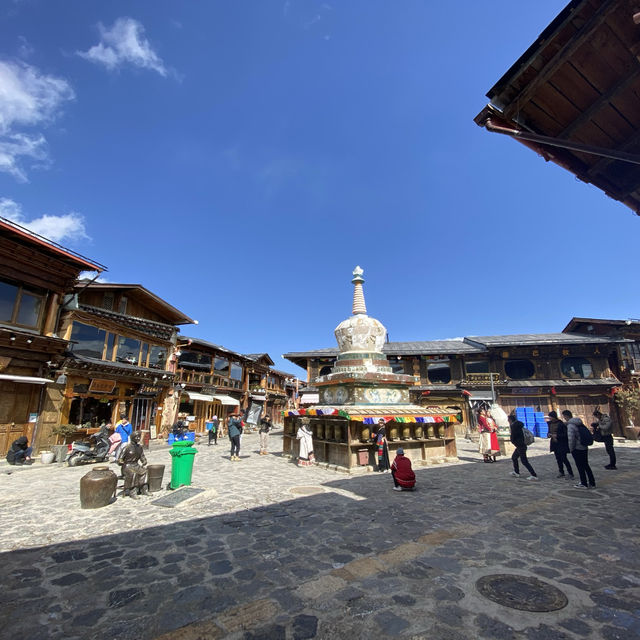
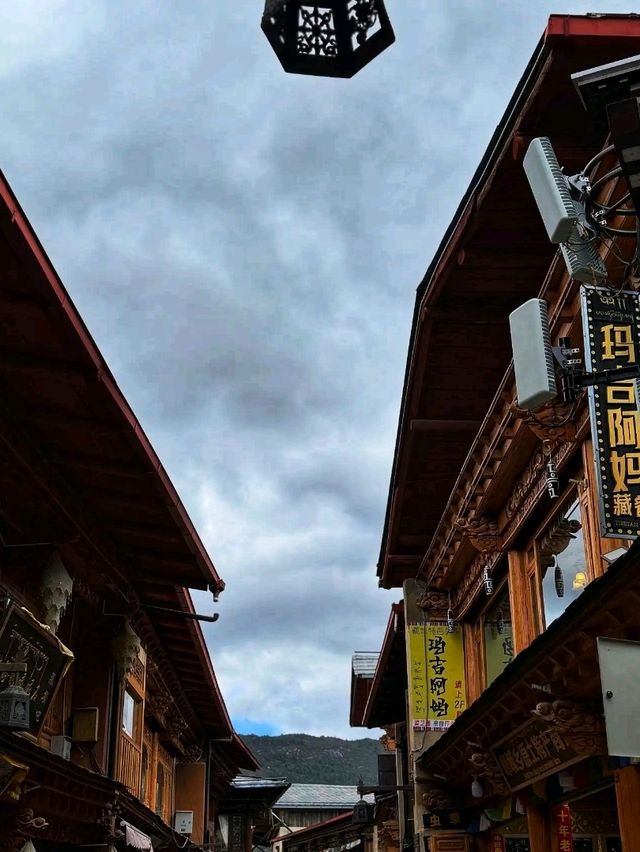
At the heart of Shangri-La Old Town lies its architectural splendor, a harmonious blend of Tibetan, Han, and Naxi influences that reflects the region’s multicultural tapestry. Wandering through the narrow, winding alleys, you’ll encounter well-preserved structures from the Ming and Qing dynasties, including the iconic Guishan Temple and the ancient city walls that once guarded this strategic trade hub on the Ancient Tea Horse Road. The town’s two-story wooden houses, with their intricate carvings and flat roofs designed to withstand heavy snowfall, excrete a cozy charm that’s perfect for leisurely exploration.
Daily life here unfolds like a serene ritual. Locals dressed in traditional chubas (wool robes) gather in teahouses, where the aroma of yak butter tea mingles with the soft chants of pilgrims. This is Tibetan culture at its most authentic—visitors can join locals for a cup of su you cha (butter tea) while listening to stories of the town’s role as a post for salt and tea traders centuries ago. For a deeper immersion in Shangri-La Tibetan culture, visit the Dukezong Ancient City area, where prayer wheels spin endlessly and mani stones inscribed with sacred texts line the paths. It’s a reminder that this old town isn’t just a tourist spot; it’s a living museum of traditions passed down through generations.
As one of China’s most enchanting China cozy attractions, Shangri-La Old Town invites you to slow down and connect. Pro tip: Dawn is the best time to explore—the soft light filters through the mist, casting an ethereal glow over the rooftops. If you’re short on time, a guided walking tour (around 100-200 CNY) can provide context on the town’s history, including its resilience after a devastating fire in 2014 that led to careful reconstruction efforts.
Journeys Through Faith and Festivals: Spiritual and Seasonal Vibes
Beyond its architecture, Shangri-La Old Town pulses with spiritual energy, serving as a gateway to the sacred landscapes of the region. Just a short drive away lies Songzanlin Monastery, often called the “Little Potala Palace,” which houses over 600 monks and echoes the grandeur of Lhasa. For those interested in Shangri-La Tibetan culture, a visit here offers a chance to witness butter lamp rituals and spinning prayer wheels under the watchful gaze of towering stupas. The monastery’s golden roofs glint against the azure sky, creating a scene that’s both humbling and inspiring.
The town’s festivals add layers of vibrancy to its cozy charm. The Torch Festival in June brings the Naxi community together for bonfires, folk dances, and feasts of grilled meats and tsampa (barley flour dough). It’s a celebration of unity and renewal, where locals don colorful attire and perform the Guozhuang dance in circles around the flames. For travelers, this is a prime opportunity to partake in China cultural experiences—join the merrymaking with a bowl of chang (barley wine) and let the rhythmic drums transport you to another era. If you’re visiting during winter, the Snow Festival transforms the old town into a wonderland of Tibetan opera and ice sculptures, blending tradition with the crisp mountain air.
Practical Shangri-La travel tips: Accommodations range from boutique guesthouses in restored Tibetan homes (200-500 CNY per night) to luxury resorts like the Songtsam Linka, offering panoramic views. Entry to the old town is free, but expect fees for specific sites (around 50 CNY). Altitude can be challenging, so acclimate by staying hydrated and avoiding strenuous activity on your first day. For a seamless experience, book a high-speed train from Lijiang (about 2 hours) or fly into Diqing Shangri-La Airport. If you’re traveling with family, our guide to the Cost of Traveling to China: A Family Budget Guide can help you plan affordably while enjoying these cultural gems.

Flavors of the Plateau: Culinary Delights and Hidden Gems
No exploration of Shangri-La Old Town would be complete without indulging in its unique cuisine, a fusion of Tibetan staples and Han Chinese influences that warms the soul against the high-altitude chill. Start your day with a bowl of thukpa (Tibetan noodle soup) at a family-run eatery tucked away in a side alley, where handmade noodles swim in a hearty broth flavored with yak meat and wild herbs. For lunch, head to the bustling markets near the old town’s central square, where vendors offer momos (dumplings) stuffed with cheese and spinach, or skewered meats grilled over open flames—the smoky aroma is irresistible.
As evening falls, seek out the hidden gems of the town’s culinary scene. Teahouses like the Thangka Coffee Bar serve pa mi (yak butter flatbread) alongside fragrant butter tea, providing a cozy spot to reflect on your China cultural experiences. For a touch of luxury, dine at the Songtsam Hotel’s restaurant, where innovative dishes like Himalayan pink salt-crusted lamb pair with stunning views of the surrounding mountains. Vegetarian travelers will delight in the mushroom and barley soups, a nod to the town’s emphasis on sustainable, local ingredients.
One unique insight: Shangri-La’s cuisine embodies the “middle way” philosophy of Tibetan Buddhism, balancing flavors to promote harmony and well-being. During festivals, communal feasts feature tsampa mixed with wild mushrooms and fresh greens, fostering a sense of shared joy. If you’re adventurous, try the region’s specialty cheese—made from yak milk and aged to perfection—for a tangy twist on familiar dairy delights.
Conclusion: A Haven of Tranquility and Tradition
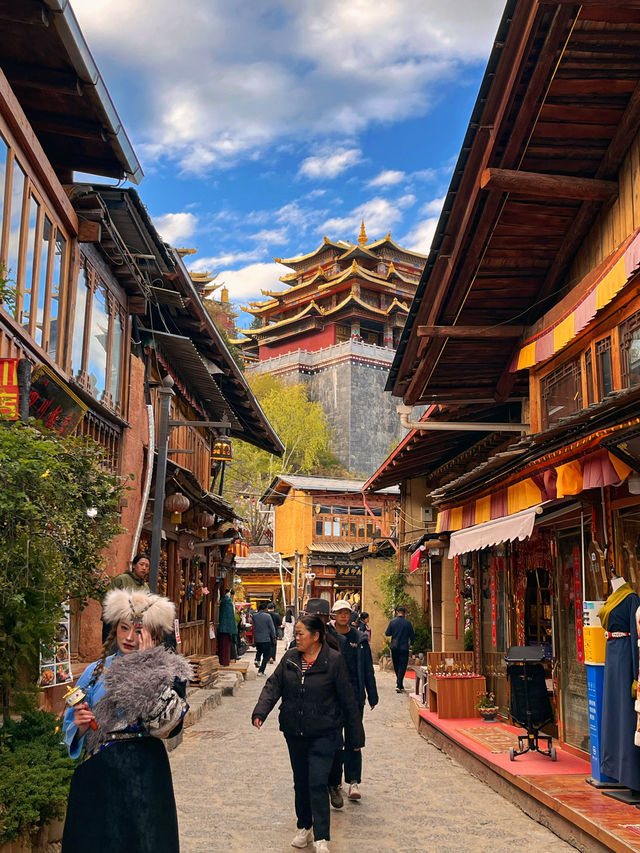
In Shangri-La Old Town, the cozy Tibetan charm lies in its seamless blend of ancient heritage and natural splendor, offering travelers a profound escape into Shangri-La Tibetan culture. From the historic lanes echoing with the footsteps of traders to the spiritual serenity of nearby monasteries, this destination captures the essence of China’s diverse cultural mosaic. Whether you’re hiking the trails around Dukezong or savoring a steaming bowl of thukpa by candlelight, the town’s inviting warmth will leave an indelible mark on your heart.
As one of the most captivating China cozy attractions, Shangri-La Old Town reminds us to embrace the slow rhythm of life amid towering peaks and whispered prayers. With its festivals, flavors, and timeless traditions, it’s a must-add to any China travel guide. Here at jusha.travel, we’re passionate about guiding you through such treasures—plan your adventure today! Share your thoughts on Shangri-La in the comments below, explore more on our site like our guide to the Cost of Traveling to China: A Family Budget Guide, or dive into related articles for the full experience. Visit jusha.travel for more China travel inspiration—your journey awaits!

Frequently asked questions
Where is Shangri-La Old Town and how high is it?
Shangri-La Old Town is nestled at an altitude of 3,200 meters in China's Diqing Tibetan Autonomous Prefecture in Yunnan Province, along the Ancient Tea Horse Road.
What is there to see in Shangri-La Old Town?
The old town blends Tibetan, Han, and Naxi influences, with well-preserved Ming and Qing dynasty structures including the iconic Guishan Temple and ancient city walls. Visit the Dukezong Ancient City area, where prayer wheels spin and mani stones inscribed with sacred texts line the paths.
What is Songzanlin Monastery and how many monks live there?
Songzanlin Monastery, often called the Little Potala Palace, is a short drive from the old town and houses over 600 monks, echoing the grandeur of Lhasa. A visit offers a chance to witness butter lamp rituals and spinning prayer wheels.
When are Shangri-La's festivals held?
The Torch Festival in June brings the Naxi community together for bonfires, folk dances, and feasts of grilled meats and tsampa. In winter, the Snow Festival transforms the old town into a wonderland of Tibetan opera and ice sculptures.
How much does it cost to stay and enter Shangri-La Old Town?
Accommodations range from boutique guesthouses in restored Tibetan homes (200-500 CNY per night) to luxury resorts like the Songtsam Linka. Entry to the old town is free, but expect fees for specific sites of around 50 CNY, and a high-speed train from Lijiang takes about 2 hours.