
“`html
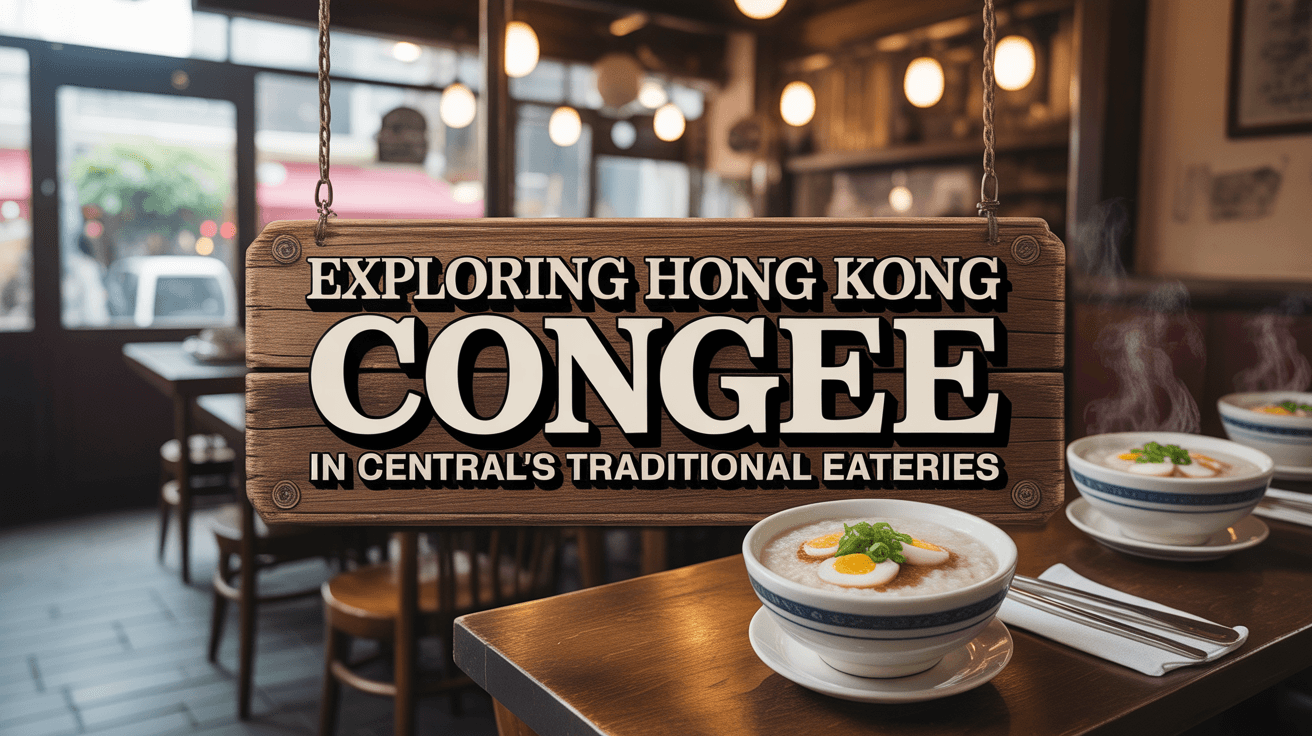
Exploring Hong Kong Congee in Central’s Traditional Eateries
Imagine starting your morning with a steaming bowl of Hong Kong Congee, a comforting rice porridge that’s as much a part of the city’s culinary identity as its bustling harbors. As a cornerstone of Hong Kong famous foods, congee has nourished locals for centuries, blending simplicity with soulful flavors. In Central, the heart of Hong Kong’s urban energy, traditional eateries serve up this dish in settings that evoke the city’s rich heritage. Here at jusha.travel, we love sharing tips to make your China journey unforgettable, and this post serves as your essential Hong Kong travel guide to savoring Congee Central. We’ll explore its history, top spots, and practical Hong Kong travel tips for an authentic dive into Hong Kong culinary experiences. Whether you’re a first-time visitor or a returning foodie, congee in Central offers a warm, heartfelt welcome to the city’s vibrant food scene.
The Humble Origins of Hong Kong Congee
Congee, known locally as juk, has deep roots in Cantonese cooking, tracing back to ancient China where rice porridge was a staple for emperors and commoners alike. In Hong Kong, it evolved into a breakfast favorite, often enjoyed in dai pai dongs (open-air food stalls) or traditional cha chaan tengs (tea restaurants). The dish’s simplicity—rice simmered in water or stock until creamy—belies its versatility, allowing for endless toppings like preserved egg, pork floss, or fresh seafood. This adaptability made congee a symbol of resilience during tough times, such as post-war Hong Kong, when affordable, nutritious meals were essential.
In Central, congee reflects the district’s blend of old and new. Historically, street vendors pushed carts through these streets, hawking bowls to office workers and market-goers. Today, it remains a go-to for Hongkongers seeking comfort amid the skyscrapers. For a deeper look at regional variations, check out our guide to Exploring Hong Kong Sai Kung Seafood Restaurants for Coastal Dining, which highlights how coastal influences add fresh twists to classic dishes like congee. Its cultural significance lies in its communal nature—families gather over steaming pots, sharing stories as they stir in toppings. Fun fact: Congee is often called “rice water” in Cantonese, emphasizing its light, digestible quality, perfect for Hong Kong’s humid climate.
Iconic Eateries: Where to Find the Best Congee Central
Central’s traditional eateries are treasure troves for congee lovers, offering authentic versions that capture the essence of Hong Kong culinary experiences. Start with Lin Heung Tea House, a historic spot opened in 1926, where the congee is cooked in massive pots over charcoal for that smoky depth. Their preserved egg and pork congee, topped with youtiao (fried dough sticks), is a breakfast staple—simple, hearty, and priced around HK$30. The chaotic, communal vibe, with trolleys wheeling by, feels like stepping back in time, making it a must for any Hong Kong travel guide.
For a more refined take, head to Capital Cafe, a cha chaan teng staple since the 1950s. Here, the sliced beef congee comes with tender slices and a light chicken stock, customizable with ginger shreds or century eggs. It’s a favorite among locals for its balance of flavors and nostalgic setting. If you’re exploring Central’s markets, try the congee stalls near the Central MTR—affordable and bustling, they offer quick bites perfect for on-the-go mornings. For a cultural tie-in, pair your visit with a stop at the nearby Man Mo Temple, adding a layer of heritage to your meal.
These eateries showcase why Congee Central remains a hub for authentic tastes. To complement your congee adventure, discover more in our post on Experiencing Hong Kong Dim Sum Culture in Local Eateries, where congee often appears alongside steaming dumplings.
Variations of Congee: From Classic to Creative
While traditional congee reigns supreme, Hong Kong’s creative twists keep it exciting. Start with the classic plain juk, a blank canvas for toppings like dried scallops or conpoy for umami richness. For seafood lovers, the sliced fish congee features silky fillets in a ginger-infused broth, a nod to coastal influences. In Central, fusion spots add modern flair, like truffle-infused versions or vegan options with mushrooms and tofu—ideal for diverse palates.
Century egg and pork congee, or pidan min juk, is a beloved variation with its creamy texture and briny eggs, offering a salty contrast to the mild rice. For breakfast, the preserved vegetable congee brings tangy notes from pickled greens, perfect with a drizzle of sesame oil. These variations highlight congee’s adaptability, making it a staple in Hong Kong famous foods. Experimenting with toppings allows personalization—add fried shallots for crunch or fresh cilantro for freshness. In a city of contrasts, congee bridges old-world comfort with innovative bites.
For more on regional flavors, explore our guide to Uncovering Hong Kong Tai Po for Markets and Natural Beauty, where fresh ingredients inspire lunchtime additions to your congee bowl.
Practical Hong Kong Travel Tips for Congee Lovers
To fully embrace Hong Kong Congee in Central, timing is key. Visit eateries around 8-10 AM for the freshest pots, when the morning rush hasn’t peaked. For Hong Kong travel tips, use the MTR’s Central Station—it’s a short walk to most spots. Arrive early on weekends to snag a table; these eateries are popular with locals grabbing breakfast before work. Budget-wise, expect HK$20-50 per bowl, making congee an affordable highlight in your Hong Kong travel guide.
Dress comfortably for the casual vibe—Central’s eateries are unpretentious, with shared tables fostering a communal atmosphere. If you’re vegetarian, request no meat versions, often available with mushrooms or greens. Pair your congee with a pot of pu’er tea to aid digestion, a traditional complement. For safety in the bustling district, keep valuables close and use apps like Citymapper for navigation. Central’s vibrancy makes it ideal, but explore nearby Lan Kwai Fong for post-breakfast strolls. For a cultural tie-in, time your visit during Chinese New Year, when congee symbolizes warmth and renewal—check our post on Experiencing Hong Kong Lunar New Year Celebrations and Culture for festival vibes.
Health tip: Congee is light and easy on the stomach, ideal for jet-lagged travelers. If exploring more of Hong Kong’s eats, head to Jordan for street food, as detailed in our guide to Discovering Hong Kong Jordan’s Nightlife and Street Food Scene.
Conclusion: A Bowl of Comfort in the Heart of Hong Kong
In the lively streets of Central, Hong Kong Congee offers a comforting embrace amid the city’s fast pace—a true gem among Hong Kong famous foods. From Lin Heung’s historic pots to creative variations, it captures the soul of Hong Kong culinary experiences, blending tradition with everyday joy. As your Hong Kong travel guide, we recommend starting your day here for an authentic taste of local life. Whether you’re wandering from eatery to eatery or pairing it with a dim sum feast, these moments create lasting memories.
At jusha.travel, we’re passionate about guiding you through Hong Kong’s vibrant tapestry. Have you tried congee in Central? Share your favorites in the comments below, explore more on our site like our guide to Exploring Hong Kong Avenue of Stars for Skyline and Cinema Glory, or visit jusha.travel for additional China travel inspiration. Your Hong Kong adventure awaits—start with a bowl and let the flavors unfold!
“`
