
Exploring Liuzhou’s Snail Noodle Culture and Historical Roots
Welcome to another exciting adventure on jusha.travel, your go-to source for uncovering the hidden gems of China! If you’re a traveler eager to dive into LiuZhou Snail Noodle Culture, or someone fascinated by LiuZhou cultural heritage and China culinary history, this post is for you. Liuzhou, nestled in the Guangxi Zhuang Autonomous Region, is more than just a stop on your China itinerary—it’s a vibrant tapestry of flavors, traditions, and stories that date back millennia. In this guide, we’ll explore the roots of the iconic luosifen (Snail Noodles), a dish that’s not only a culinary delight but also a symbol of cultural attractions LiuZhou and LiuZhou travel guide essentials. Whether you’re planning a trip or simply curious about China history travel, join us as we unravel the allure of this pungent, beloved staple that has captured hearts worldwide. Here at jusha.travel, we love sharing tips to make your China journey unforgettable!
Historical Roots of Liuzhou Snail Noodles

Delving into the LiuZhou Snail Noodle Culture means starting with its ancient origins, which are deeply intertwined with LiuZhou cultural heritage. Archaeological evidence from sites like the Bailian Cave suggests that people in this region consumed river snails as a staple protein source over 20,000 years ago. This early practice laid the foundation for what would become one of China’s most distinctive dishes. Fast-forward to the Tang Dynasty, and folklore adds a charming layer to the story. Legend has it that the exiled poet Liu Zongyuan found solace in a simple meal of rice noodles infused with river snails, created by his cook to boost his health and spirits (How Does the Luosifen Become The Most Popular Chinese Food).
The modern version of luosifen emerged in the early 1980s, born from a serendipitous mix of necessity and innovation. Imagine a late-night snack stall where hungry visitors ended up with rice noodles simmered in leftover snail broth instead of the usual bone broth—it was an instant hit! This humble beginning highlights how China culinary history often evolves through everyday creativity. As a traveler, visiting Liuzhou’s historic sites, like the Liujiang River basin, offers a firsthand glimpse into this evolution. For practical tips, pack a sense of adventure and try street food stalls; they’re perfect for immersing yourself in local flavors while exploring cultural attractions LiuZhou. Don’t forget to check out resources like Liuzhou River Snails Rice Noodle in China for more on its historical development.
Cultural Significance and Local Identity

At the heart of LiuZhou Snail Noodle Culture is its role in shaping LiuZhou cultural heritage, a melting pot of ethnic influences in the Guangxi Zhuang Autonomous Region. Liuzhou’s location along the Liujiang River has fostered a unique blend of Han and Zhuang traditions, making luosifen more than just food—it’s a symbol of community and identity. Rice noodles have been a daily staple here for centuries, but luosifen stands out as the region’s most iconic dish, reflecting the area’s multi-ethnic composition and innovative spirit (Liuzhou River Snails Rice Noodle in China).
For travelers using this as part of your LiuZhou travel guide, experiencing luosifen in its authentic setting is essential. Wander through local markets or dine at family-run eateries where the dish is prepared with fresh, locally sourced ingredients like river snails and pickled bamboo. This isn’t just about eating; it’s about connecting with China history travel through stories of resilience and adaptation. The local government’s efforts, such as establishing the Snail Rice Noodle Association in the mid-2010s, have modernized the tradition, turning it into a source of economic pride. A fun tip for culture enthusiasts: Attend a noodle-making workshop in Liuzhou to learn the art yourself—it’s a hands-on way to appreciate how food preserves heritage while adapting to modern demands.
Unique Features, Taste, and Ingredients
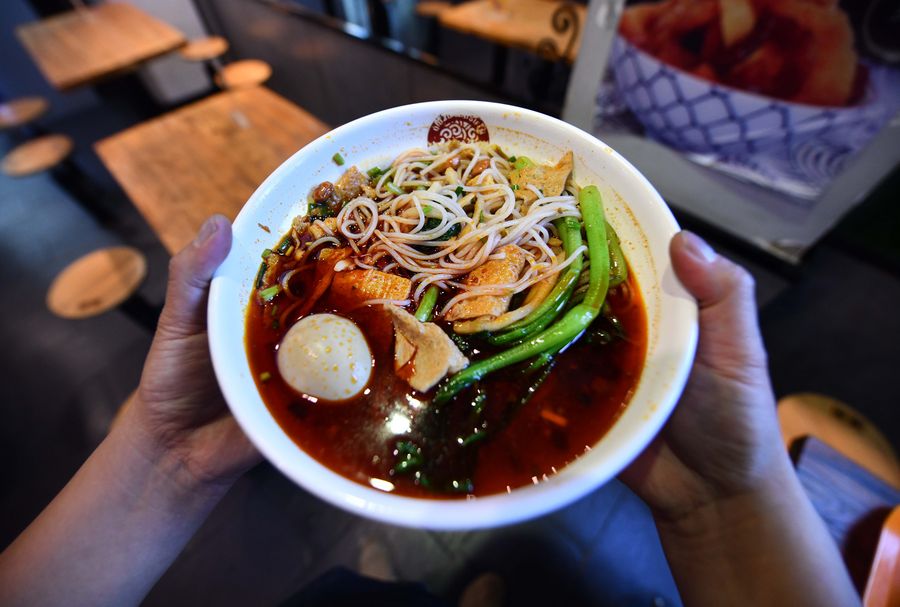
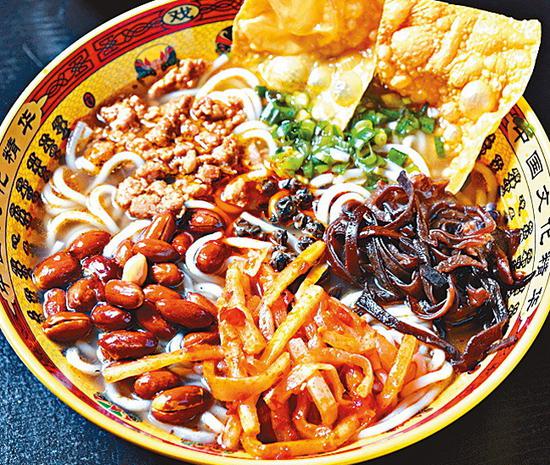
What makes LiuZhou Snail Noodle Culture truly irresistible is its bold, unforgettable flavor profile, a testament to China culinary history. The dish’s broth is a symphony of aromas, achieved by simmering river snails with herbs, spices, pickled bamboo, peanuts, and chili oil, creating a pungent yet addictive taste (The Curious Link Between Snails and the World’s Best Noodles). Toppings like tofu skin, black fungus, and fresh vegetables add texture and depth, making each bowl a balanced adventure for the senses.
As you plan your LiuZhou travel guide, consider how this dish embodies cultural attractions LiuZhou. River snails, abundant in the region, aren’t just ingredients—they’re a regional treasure tied to the area’s geography and biodiversity. For foodies, trying variations like spicier versions or even vegan adaptations can offer insights into contemporary innovations. An interesting fact: Luosifen’s notoriety for its strong smell has sparked online trends, where enthusiasts share their experiences on social media. To make your visit smoother, use technology like food apps to locate authentic spots, aligning with jusha.travel‘s focus on blending culture and modern tools for an enriched China experience.
Economic Boom and Future Trends in Liuzhou
From its humble street food beginnings, LiuZhou Snail Noodle Culture has exploded into a global phenomenon, fueled by the digital age and China history travel trends. The dish’s rise was amplified through e-commerce, social media, and food blogging, transforming it from a local favorite to an “internet-famous” export. This boom reflects LiuZhou cultural heritage‘s adaptability, with industrial parks and mass production turning luosifen into a multi-billion-yuan industry (Is Liuzhou Snail Noodles Nutritious? and Liuzhou River Snails Rice Noodle in China: Development of).
Today, Liuzhou leverages this fame for culinary tourism, positioning itself as the “home of snail noodles.” Chefs are experimenting with fusions, like incorporating global flavors or sustainable practices, ensuring the dish remains relevant. For travelers, this means opportunities to explore festivals or branded experiences that highlight cultural attractions LiuZhou. Practical advice: Pair your visit with eco-friendly tips, such as supporting local snail farms, to appreciate the sustainable side of China culinary history. It’s a vibrant example of how tradition meets innovation, inspiring future generations.
As we wrap up our journey into LiuZhou Snail Noodle Culture, it’s clear that this dish is a gateway to understanding LiuZhou cultural heritage, China culinary history, and the allure of cultural attractions LiuZhou. From its ancient roots to its modern global appeal, luosifen offers travelers and culture enthusiasts unforgettable insights into China’s dynamic tapestry. Whether you’re crafting your LiuZhou travel guide or reflecting on China history travel, these experiences will leave you inspired. Here at jusha.travel, we’re passionate about guiding you through such wonders—visit us for more tips and stories to enhance your adventures. We’d love to hear your thoughts: Share your favorite China food memories in the comments, explore related articles on our site, or sign up for our newsletter for the latest travel inspiration! Safe travels!
