
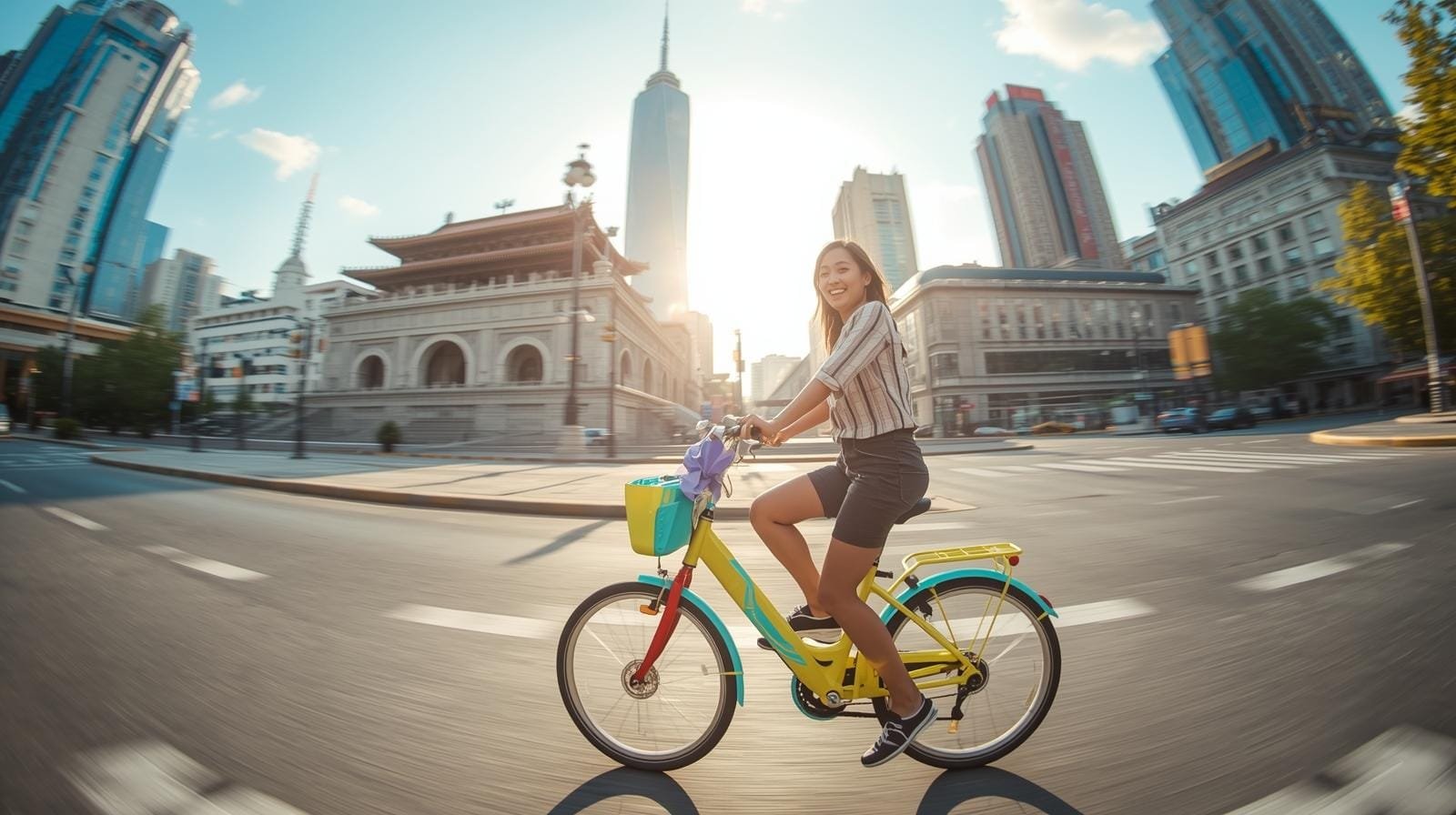
How to Travel China by Bike-Sharing: A Guide to Urban Adventures
Picture this: weaving through bustling Beijing streets on a sleek e-bike, wind in your hair, ancient hutongs blurring into modern skylines. Welcome to bike travel China, where urban cycling China has revolutionized how travelers explore the country’s vibrant cities. As one of the world’s largest bike-sharing networks, China offers over 20 million shared bikes across major hubs, making it an eco-friendly and fun way to navigate its labyrinth of history, culture, and energy. Whether you’re dodging traffic in Shanghai or pedaling past panda reserves near Chengdu, China shared bikes like those from Mobike, HelloBike, and Didi Bike provide affordable, convenient access to hidden gems. Here at jusha.travel, we’re passionate about guiding you through these eco-friendly China travel experiences—let’s pedal into the adventure!
Understanding Bike-Sharing in China: A Quick Overview
Bike-sharing in China has exploded since its launch in 2015, with apps like HelloBike and Mobike dominating the scene. These services allow you to unlock bikes via QR code, ride, and park anywhere within designated zones, all for a low cost—typically 1-3 RMB per 30 minutes. No need for purchases or returns to stations; just scan, ride, and go. For newcomers to bike travel China, download apps like HelloBike (formerly Hellobike) or Mobike, which support English and offer GPS navigation integrated with maps of attractions.
The beauty of urban cycling China lies in its sustainability: apps promote green routes, reducing urban congestion and emissions in line with China’s push for greener cities. In 2024 alone, bike-sharing trips exceeded 10 billion nationwide, according to official reports. For eco-friendly China travel, these rides are a low-carbon win—far better than taxis, and a fun alternative to subways. Always scan the QR code, use a personal lock if needed, and watch for helmet rentals via the app (about 2 RMB). Fun fact: Beijing’s bike lanes span over 1,000 km, designed to weave past landmarks like the Forbidden City—perfect for history buffs on wheels.
To get started, verify your phone number in the app and add a payment method (WeChat Pay or Alipay works best). Helmets and locks are built-in, but bring ID for deposits (100-200 RMB refundable). Coverage is excellent in first-tier cities but spotty in rural areas, so plan routes ahead. For a deeper dive, check out our pillar post on Cycling Through China: Best Routes for Two-Wheeled Adventures, which includes bike-sharing tips for urban explorers.
Top Cities for Bike-Sharing Adventures
China’s cities are tailor-made for China shared bikes, blending flat boulevards, dedicated lanes, and iconic sights. Start in Beijing, where you can lock up near Tiananmen Square and cycle to the Summer Palace (10-15 km round trip). The hutong alleys offer a cultural twist—pedal through narrow lanes lined with street food stalls selling jianbing crepes. A practical tip: Avoid rush hours (7-9 AM and 5-7 PM) to dodge crowds, and use the app’s “eco-route” feature to minimize hills.
In Shanghai, bike-sharing shines along the Bund, where you can ride the 3.5 km waterfront path past colonial architecture and the Pudong skyline. Lock up for a ferry ride across the Huangpu River or detour to Yu Garden for tea. For urban cycling China enthusiasts, Shanghai’s 500+ km of bike paths make it a dream—rent from HelloBike stations near People’s Square. Fun fact: The city’s “bike fever” started in 2016, with over 3 million daily rides during peak tourist seasons.
- Hangzhou: Cycle around West Lake (5-8 km loop), stopping at pagodas and lotus ponds. The flat terrain is beginner-friendly, and apps guide you to scenic viewpoints. It’s ideal for eco-friendly China travel, with electric bikes available for hilly extensions.
- Shenzhen: Pedal through Lianhuashan Park for urban parks with panda enclosures, or head to OCT Loft for street art detours. The city’s tech scene means apps offer real-time traffic avoidance—perfect for weaving past skyscrapers.
- Chengdu: Bike from the panda base to Jinli Ancient Street (4 km), blending nature and culture. Rentals are abundant, and routes avoid heavy traffic for safe, scenic rides.
Each city offers station-free docking in designated areas, but always park in racks to avoid fines (50-100 RMB). For safety while enjoying urban cycling China, stick to lanes, signal turns, and use the app’s accident reporting. Combine with our post on exploring modern cities for routes that hit tech hubs and historic sites.
Safety Tips and Eco-Friendly Practices
Safety first on your bike travel China quest: Wear helmets (rent via app for 2 RMB), obey traffic signals, and avoid riding at night in unfamiliar areas. Apps like HelloBike provide route planning with traffic data, and many cities have 24/7 hotlines for issues. For eco-friendly China travel, opt for e-bikes to reduce carbon—Shenzhen alone has over 100,000 electric shared bikes. Refillable water stations at docks promote sustainability, aligning with China’s green urban initiatives.
Cultural insight: Cycling is part of local life—join weekend group rides in parks for a social twist. A fun fact: During the 2022 Asian Games in Hangzhou, bike-sharing integrated with event shuttles, boosting participation without extra emissions. If you’re new, practice in low-traffic areas; intermediate riders can tackle longer routes. For family tips, check our family budget guide—bikes save 70% compared to taxis. Always lock securely to prevent theft, and report lost bikes immediately for refunds.
- Check Bike Condition: Inflate tires and test brakes before riding.
- Local Rules: No riding on sidewalks in Beijing; follow one-way systems.
- App Features: Use “find nearest bike” and SOS buttons for emergencies.
- Sustainable Ride: Park in green zones to earn app credits—encourages eco-use.
Cultural Insights and Fun Facts
Bike-sharing isn’t just transport—it’s woven into China’s social fabric. In Beijing, cyclists often stop for street-side chats, fostering community. Fun fact: Shanghai’s 2017 bike boom led to “bike graveyards” of abandoned bikes, prompting smarter regulations—now, over 90% follow sustainable practices. Culturally, biking echoes ancient “horse caravans” on the Silk Road, modernized for urban life. In Hangzhou, West Lake routes pass UNESCO sites, blending rides with history. For deeper cultural dives, explore our post on China’s street food secrets, where biking leads to foodie stops.
Conclusion: Pedal Your Way Through China’s Urban Thrill
From Beijing’s historic lanes to Shenzhen’s tech trails, bike travel China via China shared bikes unlocks the soul of its cities—eco-friendly, adventurous, and utterly immersive. Whether cruising Shanghai’s Bund or Hangzhou’s lakeside paths, you’ll discover urban cycling China at its best. Embrace eco-friendly China travel with these tips, and let China’s pedal-powered pulse guide your journey—affordable, sustainable, and full of surprises.
Ready to roll? Share your bike-sharing stories in the comments below, or visit jusha.travel for more tips on China’s cycling adventures, city guides, and beyond. Your urban escape awaits!
