
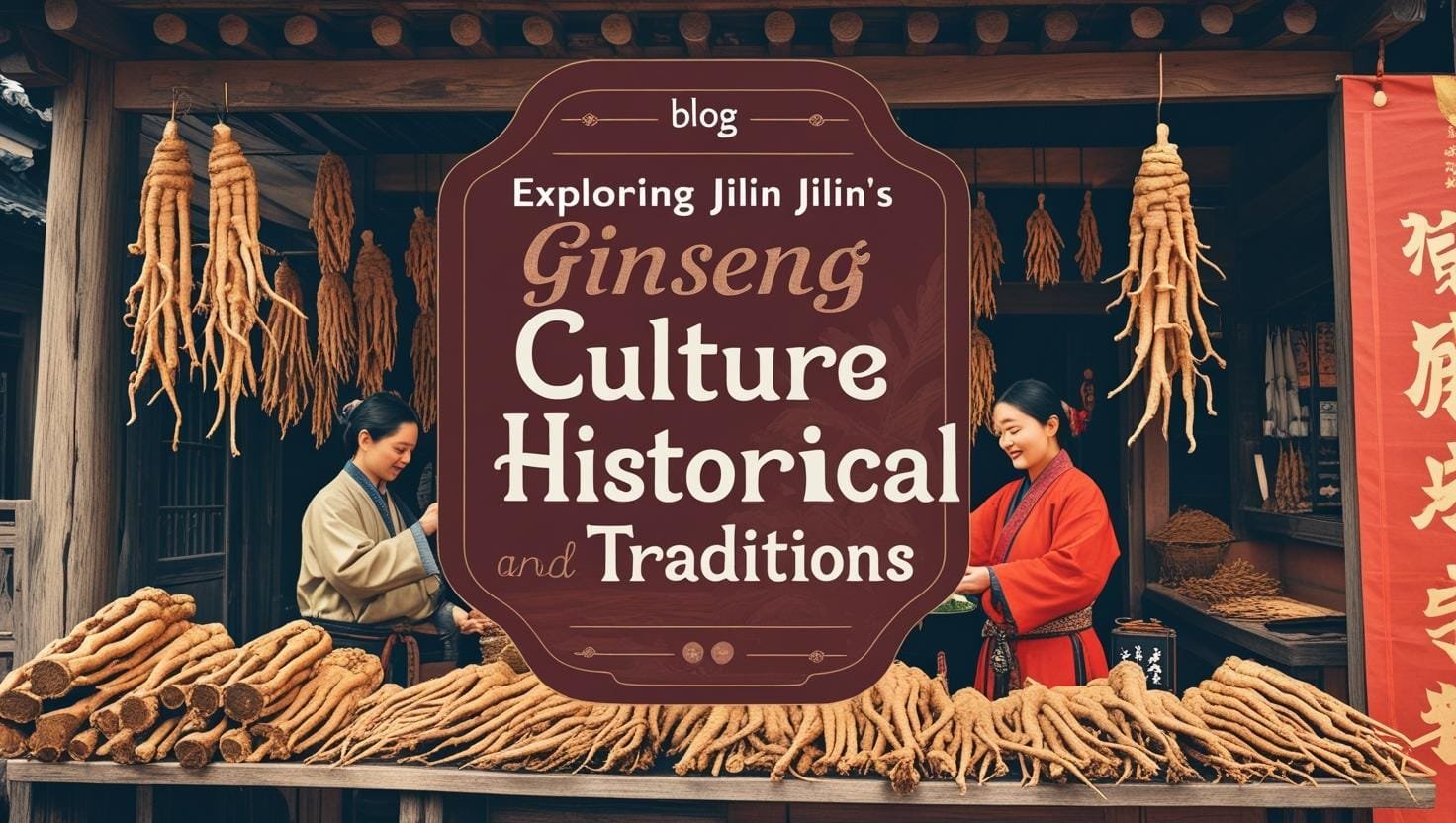
Exploring Jilin’s Ginseng Culture and Historical Traditions
Welcome to the enchanting world of Jilin Province, where ancient traditions blend seamlessly with natural wonders to create a tapestry of cultural richness. If you’re a traveler eager to dive into Jilin Ginseng Culture, you’re in for a treat. This region in Northeast China, particularly around the majestic Changbai Mountains, has long been celebrated for its deep-rooted connection to ginseng, a herb that symbolizes health, history, and heritage. As lovers of China’s diverse landscapes, here at jusha.travel, we love sharing tips to make your China journey unforgettable, and this guide will spotlight Jilin cultural heritage while weaving in elements of China medicinal history, must-see cultural attractions in Jilin, and practical advice from our Jilin travel guide. Whether you’re planning a China cultural tour or simply curious about this “king of herbs,” let’s explore how ginseng has shaped Jilin’s identity and why it’s a must-visit for culture enthusiasts.

The Roots of Jilin Ginseng Culture
Jilin’s ginseng story begins in the heart of the Changbai Mountains, a region often hailed as the birthplace of this revered plant. For centuries, Jilin Ginseng Culture has thrived due to the area’s unique environmental gifts—black soil rich in minerals, crystal-clear waters, and pristine conditions that make it ideal for ginseng growth. This isn’t just about agriculture; it’s a cornerstone of Jilin cultural heritage, where ginseng has been intertwined with daily life, folklore, and even spiritual practices.
Imagine wandering through the misty forests of Changbai, where wild ginseng once grew abundantly, drawing traders and healers from across Asia. Today, Jilin produces about 60% of China’s and 40% of the world’s ginseng output, making it a global hub [source: From black soil to global markets: Jilin’s ginseng journey]. As a traveler, you can explore these origins through eco-tours or visits to ginseng farms in areas like Fusong County, often called the “ginseng heartland.” Here, you’ll learn about sustainable harvesting techniques that balance tradition with modern needs, ensuring this cultural treasure endures.
For those on a China cultural tour, a practical tip is to join a guided hike in Changbai Mountains. Not only will you witness the natural beauty that supports Jilin Ginseng Culture, but you’ll also gain insights into how this herb has influenced local cuisine and medicine. For instance, try a warm cup of ginseng tea at a roadside stall—it’s a simple way to experience China medicinal history, where ginseng has been used for over 4,000 years to boost energy and immunity. Remember, when visiting, respect local customs by seeking permission before foraging or photographing sacred sites, as this honors the community’s deep reverence for their heritage.
Deep Historical Traditions and Medicinal Significance
Delving deeper into Jilin cultural heritage, the historical traditions surrounding ginseng reveal a fascinating chapter in China medicinal history. Ginseng, known as the “king of herbs,” has been a staple in Traditional Chinese Medicine (TCM) for millennia, valued for its adaptogenic properties that help the body adapt to stress and promote overall well-being. In Jilin, this legacy dates back to ancient times, with harvesting and processing methods passed down through generations and even recognized as national intangible cultural heritage.
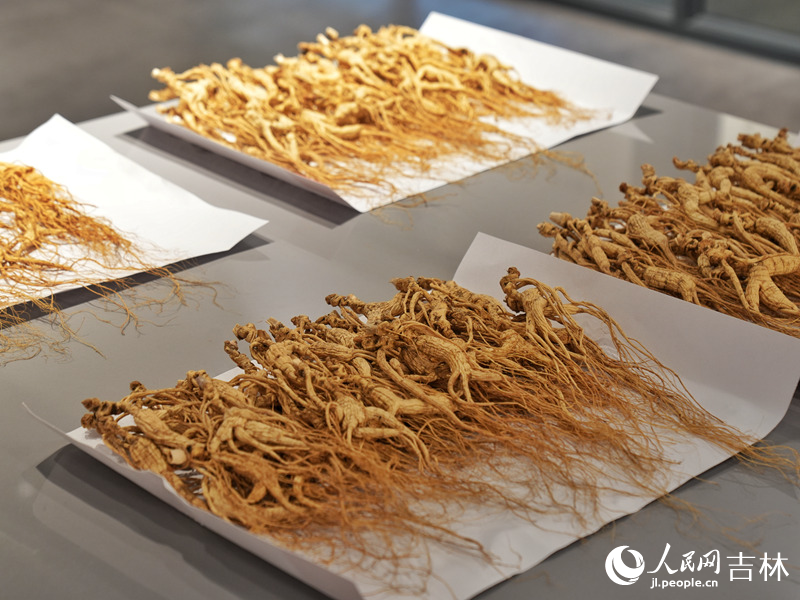
During the Qing Dynasty (1644–1911), ginseng trade was so vital that it influenced economic and administrative systems, turning Jilin into a key player in global commerce [source: China includes ginseng cultivation system on important agricultural]. Picture local families in ethnic communities carefully selecting and drying ginseng roots, a ritual that combines skill, superstition, and science. These practices aren’t just relics; they’re alive in cultural attractions like ginseng festivals in cities such as Changchun, where visitors can witness traditional ceremonies and taste ginseng-infused dishes.
As part of your Jilin travel guide, we recommend visiting the Jilin Provincial Museum or ginseng markets in Fusong to immerse yourself in this history. A fun fact: ginseng isn’t just for health tonics; it’s featured in local foods like ginseng chicken soup, which blends flavors with other regional specialties, offering a delicious way to connect with China cultural tours. Travelers should also note the rise of TCM wellness centers in Jilin, where you can experience acupuncture or herbal consultations—perfect for those interested in holistic health. To make your trip seamless, pack light layers for the variable mountain weather and consider joining group tours that include expert guides for a richer understanding of these traditions.

Evolution of Cultivation and Cultural Attractions
As Jilin Ginseng Culture evolves, so does its appeal for modern travelers seeking a mix of history and innovation. From traditional wild harvesting to sophisticated, sustainable farming, Jilin’s ginseng industry has adapted over 460 years, integrating technology to meet global demands while preserving Jilin cultural heritage. In places like Fusong County, you’ll find state-of-the-art greenhouses where standardized planting systems ensure high-quality yields, blending ancient wisdom with contemporary science [source: County in NE China’s Jilin cultivates thriving ginseng industry].
This evolution has turned cultural attractions in Jilin into vibrant destinations. For example, the Changbai Mountain Scenic Area offers eco-friendly tours where you can learn about ginseng’s role in biodiversity and even participate in planting sessions—ideal for eco-conscious visitors on a China cultural tour. One interesting fact is how Jilin’s ginseng is now used in cosmetics and health products, like brands such as “Zhongcaoji,” which fuse TCM with modern tech for international markets.
Our Jilin travel guide suggests timing your visit to coincide with the annual Ginseng Festival, where you can sample innovative products, watch cultural performances, and even buy souvenirs. For practical tips, consider staying in rural homestays to experience local life firsthand—think fresh ginseng meals paired with stories from farmers. If you’re traveling with family, look for kid-friendly workshops on China medicinal history, making learning interactive and fun. Remember, sustainable tourism is key; opt for eco-certified operators to minimize your impact while maximizing your cultural immersion.

Socio-Economic Impact and Travel Insights
The socio-economic ripple effects of Jilin Ginseng Culture are profound, supporting thousands of families and boosting the local economy to over 80 billion yuan annually. This industry not only drives rural prosperity but also enhances Jilin cultural heritage through community-driven initiatives that promote ginseng in medicine, food, and tourism [source: Jilin’s ginseng industry thrives with innovation and tradition]. In towns like Wangqing, ginseng farming has become a model for sustainable development, offering travelers a glimpse into how traditional practices fuel modern livelihoods.
For those planning a China cultural tour, Jilin’s attractions extend beyond ginseng fields to include interactive museums and wellness retreats that highlight China medicinal history. A standout experience is exploring Fusong’s ginseng markets, where you can bargain for fresh roots or processed goods while chatting with vendors about their daily lives. This not only enriches your trip but also supports local economies.
Practical advice from our Jilin travel guide: Travel during off-peak seasons for fewer crowds and better rates, and don’t miss trying ginseng-infused innovations like energy bars or teas—perfect for on-the-go adventures. For tech-savvy travelers, download apps for virtual TCM consultations or guided audio tours to enhance your experience. Ultimately, Jilin’s blend of culture and commerce shows how heritage can thrive in a globalized world, inspiring visitors to appreciate the interconnectedness of people and place.
In conclusion, exploring Jilin Ginseng Culture offers a profound journey into Jilin cultural heritage, China medicinal history, and the vibrant cultural attractions in Jilin that make this province a hidden gem for travelers. From the misty mountains to bustling markets, you’ll discover how ginseng has shaped communities, economies, and traditions, all while providing practical insights for your Jilin travel guide or China cultural tour. Here at jusha.travel, we’re passionate about helping you uncover these stories, so whether you’re sipping ginseng tea or hiking ancient trails, let this experience ignite your wanderlust.
We’d love to hear your thoughts—have you visited Jilin or tried ginseng-based remedies? Share your stories in the comments below, explore more on jusha.travel for additional China travel inspiration, or check out our related articles on cultural tours. Safe travels and happy exploring!