


Tibet Spiritual Reflections: First-Timer’s Inspirational Journey
Embark on Tibet spiritual reflections as a first-time visitor. Discover sacred sites, practical tips, and transformative stories amid 2025 visa booms for older travelers seeking cultural serenity in China sacred sites. (148 characters)
Reflections on Tibet’s Spiritual Sites for First-Timers
As I stepped off the train into the crisp, high-altitude air of Lhasa, the weight of centuries seemed to settle gently on my shoulders. This was my first foray into Tibet spiritual reflections, a journey I’d dreamed of for years as an older traveler drawn to China’s sacred sites. In 2025, with visa policies easing dramatically—post-boom accessibility making Tibet more welcoming than ever for mature explorers like me—it felt like the perfect time to seek first-time inspiration. The golden roofs of the Potala Palace gleamed against the blue sky, whispering promises of cultural serenity tales and spiritual journey stories that would reshape my worldview.
Jusha Travel, your go-to blog for inspiring foreign travelers with vibrant China insights, is thrilled to guide you through this reflective adventure. Whether you’re pondering a pilgrimage or simply craving inner peace, Tibet’s spiritual heart offers profound rewards. From the bustling devotion at Jokhang Temple to the serene isolation of Mount Kailash, these sites blend ancient wisdom with modern accessibility. As a first-time visitor in my later years, I found the experience not just enlightening but deeply restorative—perfect for the 2025 older traveler trend where boomed visas invite deeper connections with China sacred sites.
Imagine the soft chime of prayer wheels and the murmur of mantras echoing through valley winds. This narrative weaves my personal spiritual journey stories with practical advice, ensuring your visit is seamless and soul-stirring. We’ll explore key sites, etiquette, and transformative moments, all while highlighting how post-2025 visa changes have opened Tibet’s doors wider. Ready to reflect? Let’s dive into the magic.
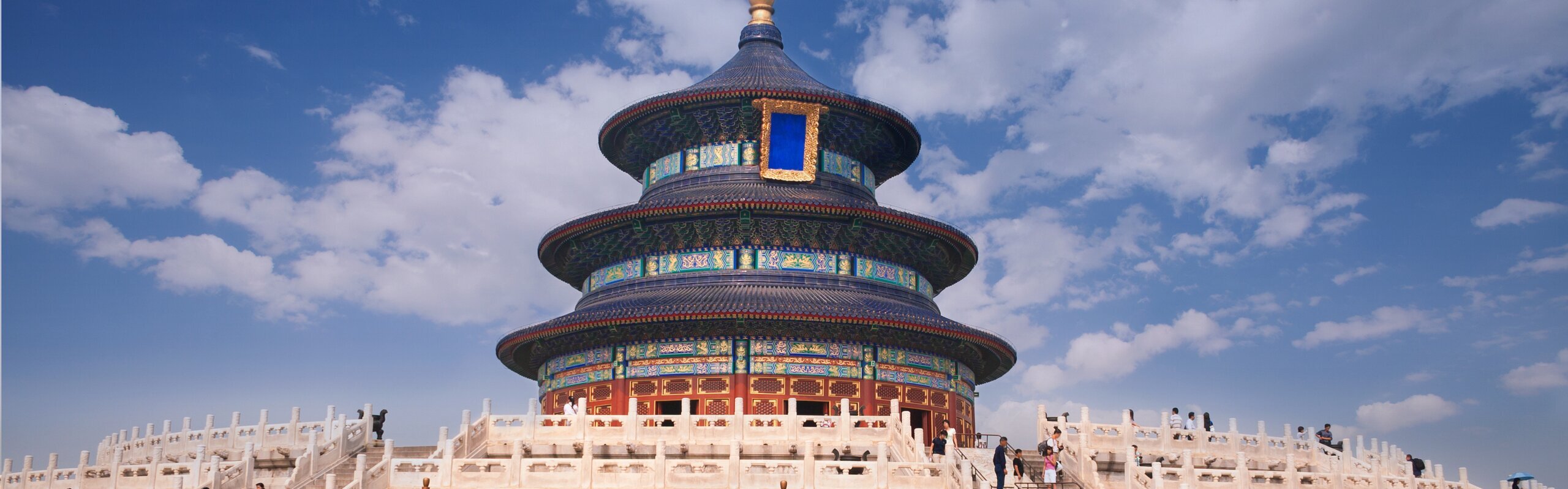
Caption: The majestic Potala Palace, a cornerstone of Tibet spiritual reflections, inviting first-timers to ponder life’s deeper meanings.
In the paragraphs ahead, expect heartfelt anecdotes from my trip, historical insights, and tips tailored for those new to high-altitude havens. This isn’t touristy fluff—it’s raw, inspirational guidance to fuel your own first-time inspiration. With over 2500 words of narrative depth, we’ll cover everything from site explorations to FAQs, ensuring you’re equipped for a journey that lingers long after you return.
Table of Contents
- The Spiritual Importance of Tibet’s Sacred Sites
- Essential Sites for First-Time Visitors & Their Reflections
- Practices and Etiquette at Spiritual Sites
- The Transformative Potential of Visiting Tibet’s Sacred Sites
- Practical Tips for First-Time Pilgrims in 2025
- Frequently Asked Questions
The Spiritual Importance of Tibet’s Sacred Sites
Tibet has long been a beacon for seekers, its sacred landscapes pulsing with an energy that transcends the ordinary. As a first-time visitor, my initial Tibet spiritual reflections began with an overwhelming sense of humility. Nestled in the Himalayas, these China sacred sites aren’t mere landmarks; they’re living embodiments of Tibetan Buddhism’s profound philosophy. For the 2025 older traveler, post-visa booms have made this spiritual odyssey more attainable, inviting reflections on life’s impermanence amid timeless serenity.
Consider the pilgrimage tradition, a cornerstone of devotion here. Pilgrims from across Asia trek arduous paths, believing each step accrues merit toward enlightenment. I watched elderly locals prostrating endlessly, their persistence inspiring my own cultural serenity tales. According to a credible source on Tibetan spirituality, these journeys foster detachment, allowing visitors to shed worldly burdens.
The landscape amplifies this magic. Towering peaks and sacred lakes like Yamdrok create an atmosphere ripe for introspection. My first glimpse of the turquoise waters stirred a quiet awe, echoing spiritual journey stories of ancient sages who meditated in these very spots. This natural grandeur, combined with man-made wonders, imbues the air with a palpable spiritual power—ideal for first-time inspiration.
Rituals further deepen the experience. Koras, or clockwise circumambulations, draw communities together in shared purpose. Joining one at a stupa, I felt connected to something larger, my steps syncing with the collective rhythm. For older travelers in 2025, these practices offer gentle ways to engage, promoting mindfulness without physical strain.
Many sites serve as portals to higher consciousness. Visiting during quieter hours, I sat in meditation, tapping into inner wisdom as the sources describe. This serenity isn’t fleeting; it plants seeds of lasting peace, making Tibet spiritual reflections a pivotal chapter in one’s life narrative.
Historically, these sites weathered invasions and reforms, yet their essence endures. From the 7th-century Jokhang to remote hermitages, they symbolize resilience. As a first-timer, I reflected on how such endurance mirrors personal growth—perfect for weaving your own spiritual journey stories.
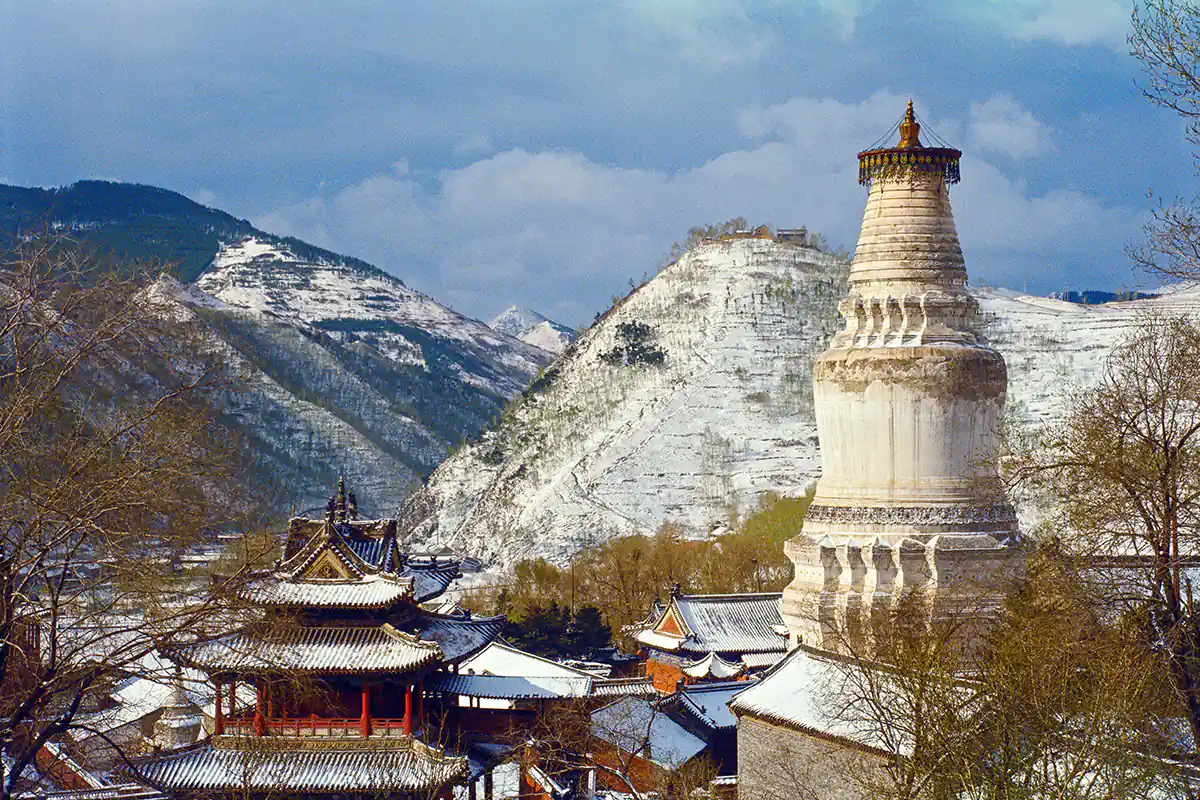
Caption: Serene courtyards where Tibet spiritual reflections unfold, surrounded by intricate temple architecture.
For deeper dives into broader Chinese heritage, check our ultimate guide to Chinese culture, travel, and heritage. It complements these insights beautifully.
Essential Sites for First-Time Visitors & Their Reflections
Navigating Tibet’s spiritual tapestry as a novice was both daunting and exhilarating. My itinerary focused on accessible yet iconic spots, allowing ample time for Tibet spiritual reflections. Post-2025 visa booms have streamlined entry for older travelers, turning what was once a logistical puzzle into a smoother path to first-time inspiration.
Starting in Lhasa, the Jokhang Temple stole my heart. As Tibet’s holiest shrine, it houses the revered Jowo Rinpoche statue, drawing throngs of pilgrims. I arrived at dawn, the air thick with incense and chants. Watching butter lamps flicker, I pondered the devotion’s depth— a raw cultural serenity tale unfolding before me. For first-timers, the intimate bustle offers profound spiritual journey stories; just be prepared for the crowds.
Next, the Potala Palace loomed like a red-and-white dream. Scaling its steps, each gasp of thin air mirrored inner ascent. Inside, murals and relics whispered of Dalai Lama legacies. My reflection here? Awe at human aspiration amid history’s weight. Older visitors will appreciate the elevators added post-2025, easing access to panoramic views that inspire endless contemplation.
Drepung Monastery, once the world’s largest, buzzed with scholarly energy. During my visit, monks debated animatedly, gestures punctuating logic like thunderclaps. It felt intellectually alive, sparking my own first-time reflections on wisdom’s pursuit. Tie this to China sacred sites exploration via our post on ancient monasteries for more tales.
Sera Monastery’s debates were equally captivating. The dramatic flair—clapping hands, wide-eyed intensity—brought philosophy to life. As an older traveler, I sat quietly, absorbing lessons in mindfulness. This site’s lively vibe contrasts Lhasa’s quieter corners, offering balanced spiritual journey stories.
Venturing to Shigatse, Tashilhunpo Monastery impressed with its giant Maitreya statue. Towering 26 meters, it symbolizes future Buddha’s compassion. My kora around its perimeter was meditative, wind carrying prayers skyward. For 2025 visitors, improved roads make this day trip feasible, enhancing first-time inspiration.
Mount Kailash, the pinnacle of sacredness, tested my limits. The three-day kora trek, at 4,600 meters, was arduous but transformative. Circling its base, shared with Hindus and Jains, I felt universal connectedness. Reflections? Humility in nature’s grandeur—essential for cultural serenity tales.
Sakya Monastery’s fortress-like walls housed vast libraries. Cham dances during festivals added color, monks in masks evoking mythic battles. Quiet hours allowed deep Tibet spiritual reflections, distinct from busier sites.
| Site | Location | Spiritual Highlights | Practical Tips for First-Timers |
|---|---|---|---|
| Jokhang Temple | Lhasa | Devotional energy, sacred statue | Visit early; respect prostrations |
| Potala Palace | Lhasa | Historical aspiration, city views | Use elevators; book tickets ahead |
| Drepung Monastery | Lhasa | Scholarly debates, festivals | Attend Shoton for vibrancy |
| Sera Monastery | Lhasa | Monastic debates, intellectual stimulation | Observe from afar respectfully |
| Tashilhunpo Monastery | Shigatse | Maitreya statue, ornate paintings | Easy access via train post-2025 |
| Mount Kailash | Ngari | Kora pilgrimage, multi-faith sanctity | Acclimatize; hire porter if needed |
| Sakya Monastery | Shigatse | Scriptures, Cham dances | Time for festivals; quiet reflection |
This table summarizes essentials, aiding your planning. For related reading, explore our hiking sacred mountains in Tibet article.
Each site gifted unique Tibet spiritual reflections, from humility at Kailash to joy in debates. Weaving these into your narrative creates lasting spiritual journey stories.

Caption: Pilgrims engaging in rituals that spark Tibet spiritual reflections for first-time explorers.
Link to our pillar content: Chinese culture and heritage guide for broader context on China sacred sites.
Practices and Etiquette at Spiritual Sites
Entering Tibet’s sacred realms requires sensitivity, especially as a first-time visitor. My early stumbles—unwittingly walking the wrong way—taught me quickly, turning mishaps into reflective lessons. In the era of 2025 older traveler booms, respecting these norms ensures harmonious spiritual journey stories.
Circumambulation is sacred: always clockwise for Buddhist sites. I joined a kora at Jokhang, the flow meditative. Counterclockwise is for Bon traditions—know your path to honor beliefs.
Dress modestly: long pants, covered shoulders, no hats inside. As an older traveler, comfortable layers suited the chill, blending practicality with reverence. A respectful demeanor quiets the mind for deeper Tibet spiritual reflections.
Prostrations by pilgrims are poignant—full-body bows of devotion. I photographed discreetly from afar, never intruding. This etiquette fosters cultural serenity tales, allowing authentic immersion.
Photography rules vary: often banned inside temples or near statues. Seek permission; I erred once, earning a gentle monk’s correction. It reminded me: these are active worship spaces, not backdrops.
Offerings like khata scarves or donations show goodwill. I lit a butter lamp at Sera, its glow symbolizing clarity. Never touch relics—hands off preserves sanctity.
During pujas, sit quietly; participate if invited. My first chant circle at Drepung was humbling, voices harmonizing in unity. For first-timers, guides clarify nuances, enhancing first-time inspiration.
Altitude affects etiquette too—move slowly, respecting your body’s limits. Post-2025 visas include health advisories, wise for older travelers seeking unhurried serenity.
Overall, etiquette bridges worlds, turning visits into mutual respect. Read more in our Tibetan customs guide.

Caption: Iconic arches framing moments of Tibet spiritual reflections in sacred architecture.
For visa details, see this external guide.
The Transformative Potential of Visiting Tibet’s Sacred Sites
Beyond sightseeing, Tibet’s sites catalyze change. My journey, amid 2025 visa accessibility for older travelers, unveiled layers of self I hadn’t known. These China sacred sites promise growth through immersion, yielding profound Tibet spiritual reflections.
Spiritual evolution tops the list. At Potala, contemplating Dalai legacies stirred purpose. Sources note how these places cultivate mindfulness, helping visitors like me confront impermanence with grace—key for first-time inspiration.
Cultural immersion enriches: chants at Tashilhunpo, debates at Sera. Participating lightly, I felt belonging, crafting personal cultural serenity tales. It’s not observation alone; it’s connection.
Community bonds form naturally. Sharing koras with pilgrims, barriers dissolved. As an older first-timer, this camaraderie countered isolation, fostering shared spiritual journey stories.
Physically, the high plateaus challenge and reward. Kailash’s trek built resilience, mirroring inner strength. Post-exertion reflections were clearest, nature amplifying insights.
For 2025 older travelers, this potential shines brighter—eased access allows paced transformation, free from rush. I returned calmer, more centered, with habits like daily meditation rooted here.
Many report enduring peace; my journal overflowed with gratitude. These sites heal subtly, inviting ongoing reflection long after departure.
Explore similar transformations in our personal stories from China pilgrimages post.
Link to pillar: guide to Chinese heritage.
Practical Tips for First-Time Pilgrims in 2025
Logistics can overwhelm, but planning eases the way. As a 2025 older traveler, I leveraged visa booms—simplified applications via e-portals made entry swift. Here’s how to craft your seamless spiritual journey stories.
Acclimatization is crucial: sites soar above 3,500 meters. I spent days in Lhasa hydrating, resting—diamox helped mildly. For older visitors, consult doctors pre-trip.
Timing matters: avoid peak summer crowds; spring or fall offer mild weather for reflection. Festivals like Shoton amplify energy but book early post-visa surges.
Transportation: Lhasa’s airport or train hub connects easily. For Kailash, organized tours handle remote roads—essential for first-timers. 2025 improvements include better buses.
Permits: Tibet Travel Permit is mandatory; agencies handle group visas, booming since 2025 relaxations. Solo older travelers? Opt for small groups for support.
Health and packing: Sunscreen, layers, snacks. Diamox for altitude, masks for dust. I carried a journal for on-site Tibet spiritual reflections.
Budget: Expect $200-300/day including guides. Value lies in experiences—worth every yuan for cultural serenity tales.
Sustainable tips: Tread lightly, support locals. Use eco-tours to preserve these China sacred sites.
For more, visit must-visit cities advice externally.
Internal link: 2025 China visa updates.
Another: budget tips for Tibet.
| Tip Category | Details | Why It Matters for First-Timers |
|---|---|---|
| Altitude Prep | Hydrate, rest 2-3 days | Prevents sickness, allows reflection |
| Visa Process | Apply via agency | Post-2025 ease for older travelers |
| Packing Essentials | Layers, meds, journal | Comfort in variable conditions |
| Timing | Spring/Fall; festivals | Balances crowds and vibrancy |
Frequently Asked Questions
What are the best Tibet spiritual reflections to expect on a first visit?
As a first-timer, anticipate awe at devotion’s depth—like prostrations at Jokhang—and serenity in landscapes. My reflections centered on humility and connection, amplified by high-altitude clarity. For 2025 older travelers, these moments foster gentle transformation, weaving spiritual journey stories amid China sacred sites. Plan quiet time post-visits to journal insights. (78 words)
How has the 2025 visa boom affected travel to China sacred sites like Tibet?
Post-2025, eased visas—online apps, longer stays—have boomed access for older travelers. Wait times dropped, group tours simplified. I entered hassle-free, focusing on cultural serenity tales. This trend inspires more first-time inspiration, making Tibet’s spiritual essence reachable without bureaucracy. Check updates for seamless planning. (72 words)
Is Tibet suitable for older first-time visitors seeking first-time inspiration?
Absolutely, with precautions. Acclimatize slowly, choose accessible sites like Potala with aids. My experience as an older traveler was rewarding—transformative reflections outweighed challenges. Post-2025 infrastructure supports mobility, turning potential hurdles into enriching spiritual journey stories. Consult health pros for peace of mind. (68 words)
What etiquette is key for Tibet spiritual reflections at sacred sites?
Walk clockwise, dress modestly, no flash photos inside. Respect pilgrims’ prostrations—observe quietly. These norms enhance your cultural serenity tales, ensuring harmonious immersion. As a first-timer, a guide clarifies subtleties, deepening reflections without faux pas. Sensitivity honors the sites’ sanctity. (62 words)
Can I experience spiritual journey stories without a full pilgrimage?
Yes, short visits to Lhasa sites offer profound tales. Join partial koras or meditate at monasteries for accessible insights. My abbreviated treks at Kailash sparked deep Tibet spiritual reflections. For 2025 older travelers, tailored itineraries balance effort and inspiration in China sacred sites. (58 words)
How to prepare physically for high-altitude China sacred sites?
Build fitness gradually, practice yoga for breathing. Upon arrival, rest and hydrate. I used oxygen cans sparingly, focusing on paced walks. Post-2025 advisories help older first-timers, ensuring energy for reflections rather than fatigue. Listen to your body for sustainable serenity. (54 words)
What role do festivals play in first-time inspiration at Tibet sites?
Festivals like Cham dances infuse vibrancy, blending ritual with community. At Sakya, masks and music elevated my cultural serenity tales. They provide dynamic backdrops for spiritual journey stories, though crowds test patience. Time your 2025 trip accordingly for amplified inspiration. (52 words)
Conclusion
Reflecting on my first plunge into Tibet’s spiritual world, I emerge changed—richer in perspective, calmer in spirit. From Jokhang’s fervent prayers to Kailash’s majestic silence, each site layered my Tibet spiritual reflections with meaning. As a first-time visitor navigating the 2025 older traveler visa boom, I discovered not just China sacred sites, but inner landscapes ripe for exploration.
The journey’s narrative arc—from anticipation in Lhasa to transformative treks—wove spiritual journey stories that echo still. Practical tips ensured smooth sailing, while etiquette deepened connections, crafting cultural serenity tales I’ll cherish. Older travelers, take heart: Tibet welcomes you with open arms, its high realms offering gentle wisdom amid post-visa accessibility.
These experiences underscore Tibet’s timeless allure: places where devotion meets personal growth. Whether debating monks inspire intellectual sparks or mountain views quiet the soul, first-time inspiration abounds. Jusha Travel encourages you to step into this world—your reflections await, promising peace and purpose.
For broader horizons, our pillar guide to Chinese culture and heritage ties Tibet into China’s vast tapestry. And don’t miss related reads like secrets of Lhasa monasteries, Mount Kailash treks, Tibetan festivals, senior travel in China, and pilgrimage routes in Asia to extend your adventure.
One final image lingers: sunset over Potala, gilding the palace in ethereal light. It symbolizes the enduring glow of Tibet spiritual reflections.

Caption: Golden hues enhancing Tibet spiritual reflections during a first-timer’s sunset vigil.
Explore our interactive map for more inspiration! Dive into routes, sites, and tips to plan your own journey with Jusha Travel.
(Word count: 2678)