
“`html
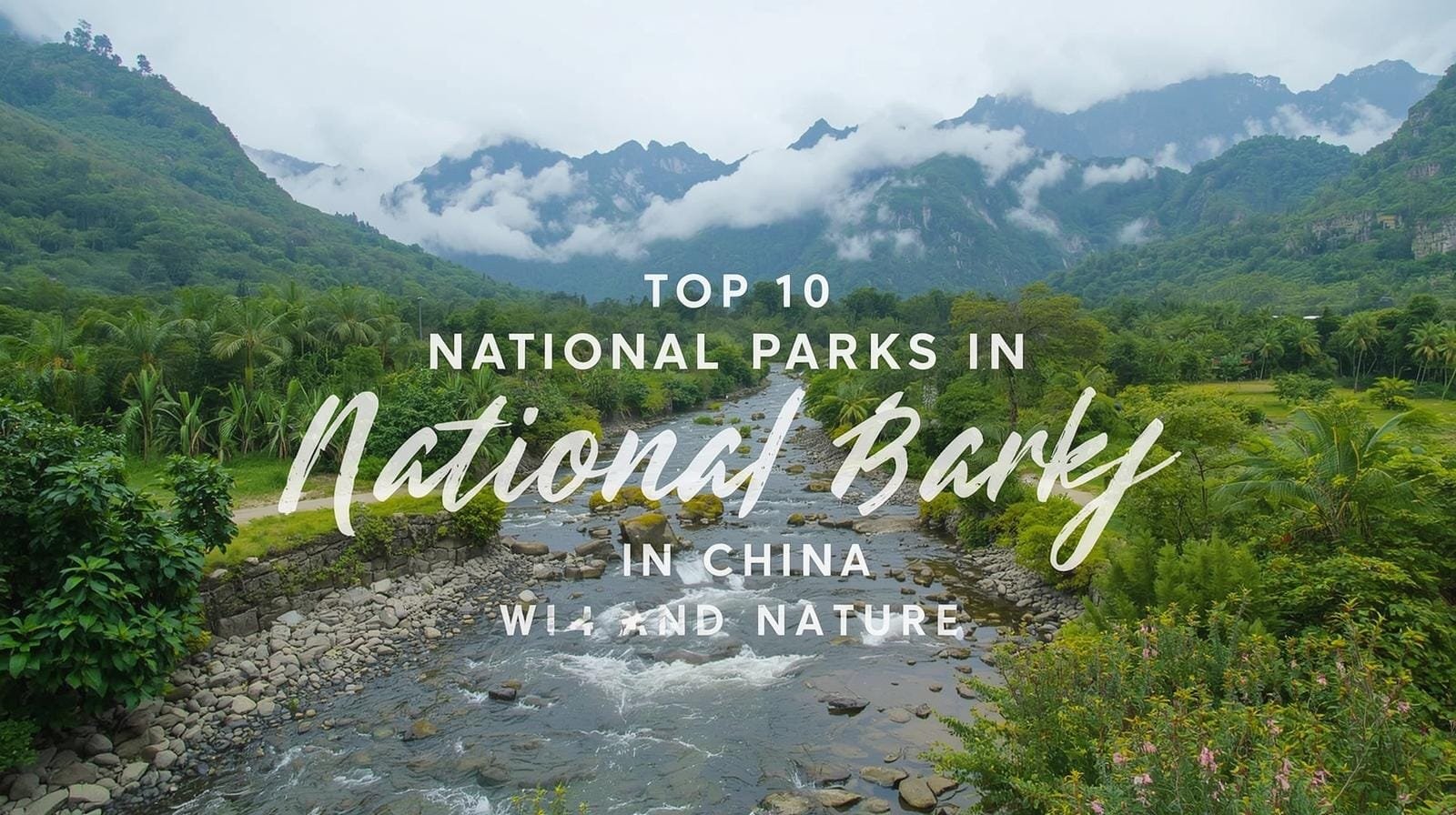
Top 5 National Parks in China for Wildlife and Nature
China’s diverse landscapes are a treasure trove for nature lovers, offering breathtaking vistas, unique wildlife, and immersive adventures that showcase the country’s incredible biodiversity. From misty bamboo forests teeming with pandas to dramatic karst plateaus and serene alpine lakes, the nation’s national parks provide unparalleled opportunities to connect with China wildlife parks and pristine ecosystems. Whether you’re seeking thrilling hikes or peaceful wildlife encounters, these protected areas highlight scenic China parks that blend natural wonders with cultural heritage. As your go-to resource for China nature reserves and adventure China parks, jusha.travel is here to guide you through the top five must-visit national parks. Discover insider tips, fascinating facts, and practical advice to plan your unforgettable journey into China’s wild heart.
1. Wolong National Nature Reserve (Sichuan Province)
Nestled in the rugged mountains of Sichuan Province, Wolong National Nature Reserve is synonymous with giant pandas, making it a crown jewel among China wildlife parks. Established in 1963, this UNESCO World Heritage Site spans 200,000 hectares and serves as a critical habitat for endangered species, including over 100 pandas. The park’s misty bamboo forests, alpine meadows, and crystal-clear streams create a serene backdrop for wildlife viewing and light hikes. For adventure China parks enthusiasts, guided treks offer chances to spot red pandas, golden monkeys, and takins amid the subalpine coniferous forests.
Why visit? Wolong is home to the China Conservation and Research Center for the Giant Panda, where you can witness conservation efforts up close. Stay in eco-lodges near the reserve for intimate panda encounters at feeding times. A fun fact: The park’s diverse elevations, from 1,200 to 6,250 meters, support over 4,000 plant species, making it a biodiversity hotspot. Practical tip: The best time to visit is April to October; avoid winter snowfalls. Entry is around 170 CNY ($24 USD), and book panda viewing permits in advance. For families, combine with visits to nearby Wolong Panda Valley for kid-friendly activities. As part of your China nature reserves exploration, Wolong reminds us of China’s commitment to wildlife protection post-2008 earthquake reconstruction.
- Tour Suggestion: Join a half-day panda tour (200-300 CNY) to see them in semi-wild enclosures.
- Cultural Insight: Pandas symbolize peace in Chinese culture; Wolong’s conservation ties into ancient folklore.
- Pro Tip: Pack layers for variable mountain weather and bring binoculars for distant sightings.
2. Changbai Mountain National Nature Reserve (Jilin Province)
In the far northeast, Changbai Mountain National Nature Reserve stands as a scenic China parks masterpiece, renowned for its volcanic landscapes and pristine forests. Covering 196,462 hectares, this park straddles the China-North Korea border and features the stunning Tianchi (Heavenly Lake), a crater lake at 2,189 meters above sea level. As one of China’s first national nature reserves (established 1980), it protects diverse wildlife like Siberian tigers, black bears, and over 1,400 plant species, offering a prime spot for nature photography and hiking in China nature reserves.
The park’s highlights include the Tianchi Lake, where seasonal changes create ethereal views—frozen in winter for ice festivals or steaming in summer mist. For adventure seekers, trails like the Longjing Trail (about 6 km) wind through ancient Korean pine forests, perfect for birdwatching (spot the rare mandarin ducks). A cultural insight: The Manchu name “Changbai” means “ever-white mountain,” reflecting its snow-capped peaks that inspired ancient poets. Interesting fact: Tianchi is the deepest lake in northeastern China, plunging to 373 meters—deeper than many expect from its serene surface.
Practical tip: Visit in July-August for wildflower blooms and milder weather (avoid January’s -30°C cold). Entry is 125 CNY ($17 USD), with shuttle buses included. Stay in nearby hotels for easy access to the park’s hot springs. For eco-conscious travelers, the reserve’s sustainable management includes anti-poaching patrols, ensuring its wildlife thrives. If combining with adventure, pair with a visit to the nearby Chonji (Heaven Lake) for cross-border views into North Korea.
- Tour Suggestion: Take the 2-hour boardwalk trail around Tianchi for panoramic vistas.
- Cultural Insight: The area is sacred to Manchu and Korean ethnic groups, with ancient shamanic rituals still practiced nearby.
- Pro Tip: Bring insect repellent for summer hikes and pack hot tea to stay warm in the highlands.
3. Jiuzhaigou National Park (Sichuan Province)
Jiuzhaigou National Park, a UNESCO World Heritage Site since 1992, is a fairy-tale realm of colorful alpine lakes, snow-capped peaks, and cascading waterfalls. Spanning 720 square kilometers in the Min Mountains, this scenic China parks gem features 108 lakes formed by glacial deposits, with vibrant turquoise hues that shift with the sunlight—caused by calcite and minerals. It’s a haven for China wildlife parks, home to giant pandas, golden snub-nosed monkeys, and diverse birdlife in its ancient forests.
Why visit? The park’s “Nine-Village” valleys (Rize, Zechawa, Shuzheng) offer easy trails for all levels, from the 3-hour hike to Five Flower Lake to boat rides on Mirror Lake. In autumn (September-November), the foliage turns a riot of red, orange, and gold, making it one of the most photographed adventure China parks. A fun fact: The name “Jiuzhaigou” means “nine Tibetan villages,” and the area was originally settled by Tibetan shepherds. Before entering, note that a 2017 earthquake led to temporary closures, but it’s fully restored with enhanced safety measures.
Practical tip: The best season is April-October; winter visits offer snowy wonderlands. Entry is 220 CNY ($31 USD) for adults (150 for kids), including shuttle buses. Stay in Jiuzhaigou Valley hotels for stargazing in low-light-pollution skies. For wildlife spotting, join early morning eco-tours (100-200 CNY extra). Families, bring snacks for the bus rides between valleys. For more on Sichuan’s wonders, explore nearby panda bases as part of your China nature reserves tour.
- Tour Suggestion: Opt for the eco-bus tour to cover more ground without fatigue.
- Cultural Insight: The park’s Tibetan heritage shines in the colorful prayer flags lining trails.
- Pro Tip: Altitude is 2,000 meters—acclimate if prone to sickness; carry water and sunscreen.
4. Zhangjiajie National Forest Park (Hunan Province)
Zhangjiajie National Forest Park, another UNESCO site (1992), is famed for its otherworldly quartz sandstone pillars that inspired the floating mountains in Avatar. Covering 4,810 hectares, this adventure China parks powerhouse features over 3,000 pillars soaring up to 1,080 meters, surrounded by deep valleys and diverse flora like ferns and orchids. It’s a paradise for hikers, with trails ranging from easy boardwalks to challenging ascents in the Tianzi Mountain area.
Key attractions include the Golden Whip Stream (12 km trail with waterfalls and bamboo groves) and the Bailong Elevator, the world’s tallest outdoor lift, offering vertigo-inducing views. Wildlife thrives here too—spot Chinese giant salamanders in streams and over 600 bird species. A cultural insight: The Tujia minority people, who call this home, have legends of the pillars as the “pillars of heaven.” Interesting fact: The park’s karst formations are so unique that they’ve been designated a World Geopark, drawing scientists worldwide.
Practical tip: Visit in March-May or September-November to avoid crowds and rain. Entry starts at 248 CNY ($35 USD), including cable cars. For adventure seekers, the 5-hour Tianzi Mountain hike rewards with panoramic views. Accommodations range from park lodges (300-500 CNY/night) to nearby Wulingyuan hotels. If exploring wildlife, opt for guided eco-tours focused on conservation efforts in this China wildlife parks gem.
- Tour Suggestion: Take the Bailong Elevator up, then hike the Golden Whip Stream down for a moderate day.
- Cultural Insight: Tujia festivals in the park include bamboo dancing, adding vibrancy to hikes.
- Pro Tip: Download offline maps; the park’s size means weak signals in remote areas.
5. Wuyi Mountains National Park (Fujian Province)
Wuyi Mountains National Park, a UNESCO World Heritage Site (1999), is a biodiverse haven in Fujian Province, known for its dramatic Danxia landforms, ancient tea plantations, and subtropical forests. Spanning 1,000 square kilometers, this scenic China parks jewel protects over 2,200 plant species and rare wildlife like the Chinese pangolin. It’s part of the Wuyi tea route, where oolong teas have been cultivated for 1,000 years.
Highlights include the Nine-Bend Stream, a serene bamboo raft ride through canyons, and Tianyou Peak for sweeping views. For adventure China parks fans, the 10-km hiking trail through the Dahongpao Scenic Area offers moderate challenges with rock climbing. A fun fact: The park’s Wuyi rock tea is a UNESCO intangible heritage, symbolizing Fujian’s tea culture. The misty mornings and tea-scented air make it feel mystical, especially during the annual tea harvest in spring.
Practical tip: Best visited in March-May or October-November to enjoy tea picking and avoid typhoons. Entry is 140 CNY ($20 USD), with raft rides extra (100 CNY). Stay in Wuyishan town for access to organic tea farms. For eco-travelers, the park’s sustainable tea tourism supports local biodiversity conservation, tying into broader China nature reserves efforts.
- Tour Suggestion: Join a tea plantation tour (50-100 CNY) for tastings and light walks.
- Cultural Insight: Wuyi is one of the cradles of Chinese tea culture, with ancient roads still used by locals.
- Pro Tip: Bring comfortable shoes for uneven trails and a light jacket for sudden mists.
Conclusion: Embrace China’s Natural Wonders
China’s national parks are more than protected lands—they’re gateways to its wildlife, culture, and enduring beauty. From Wolong’s pandas to Wuyi’s misty peaks, these top five destinations offer diverse experiences for wildlife enthusiasts and adventure seekers alike. Whether hiking terraced trails or rafting crystal streams, China wildlife parks like these provide profound connections to nature while highlighting conservation triumphs. Pack your curiosity and respect for these ecosystems—your journey through scenic China parks awaits.
At jusha.travel, we’re passionate about guiding you through China’s wonders. Ready to plan your eco-adventure? Share your favorite park in the comments below, explore more on our site for adventure China parks itineraries, or check related articles like our guide to sustainable travel in China. Visit jusha.travel for more inspiration—your next natural escape is calling!
“`
