


Exploring Chongqing Mala Xiangguo in Riverside Street Eateries

Welcome to the sizzling world of Chongqing Mala Xiangguo, one of China’s most iconic street food sensations that’s captivating travelers and food lovers alike. If you’re planning a trip to the misty mountains of Chongqing, this spicy stir-fry dish—known for its numbing heat and bold flavors—should top your must-try list. As a cornerstone of China famous street food, Mala Xiangguo embodies the fiery spirit of Sichuanese cuisine while offering endless customization for every palate. Whether you’re navigating the bustling riverside eateries or seeking authentic China culinary experiences, this guide will equip you with essential Chongqing travel tips to make your visit unforgettable. Here at jusha.travel, we love sharing tips to make your China journey seamless and delicious!
Origin and Evolution of Chongqing Mala Xiangguo
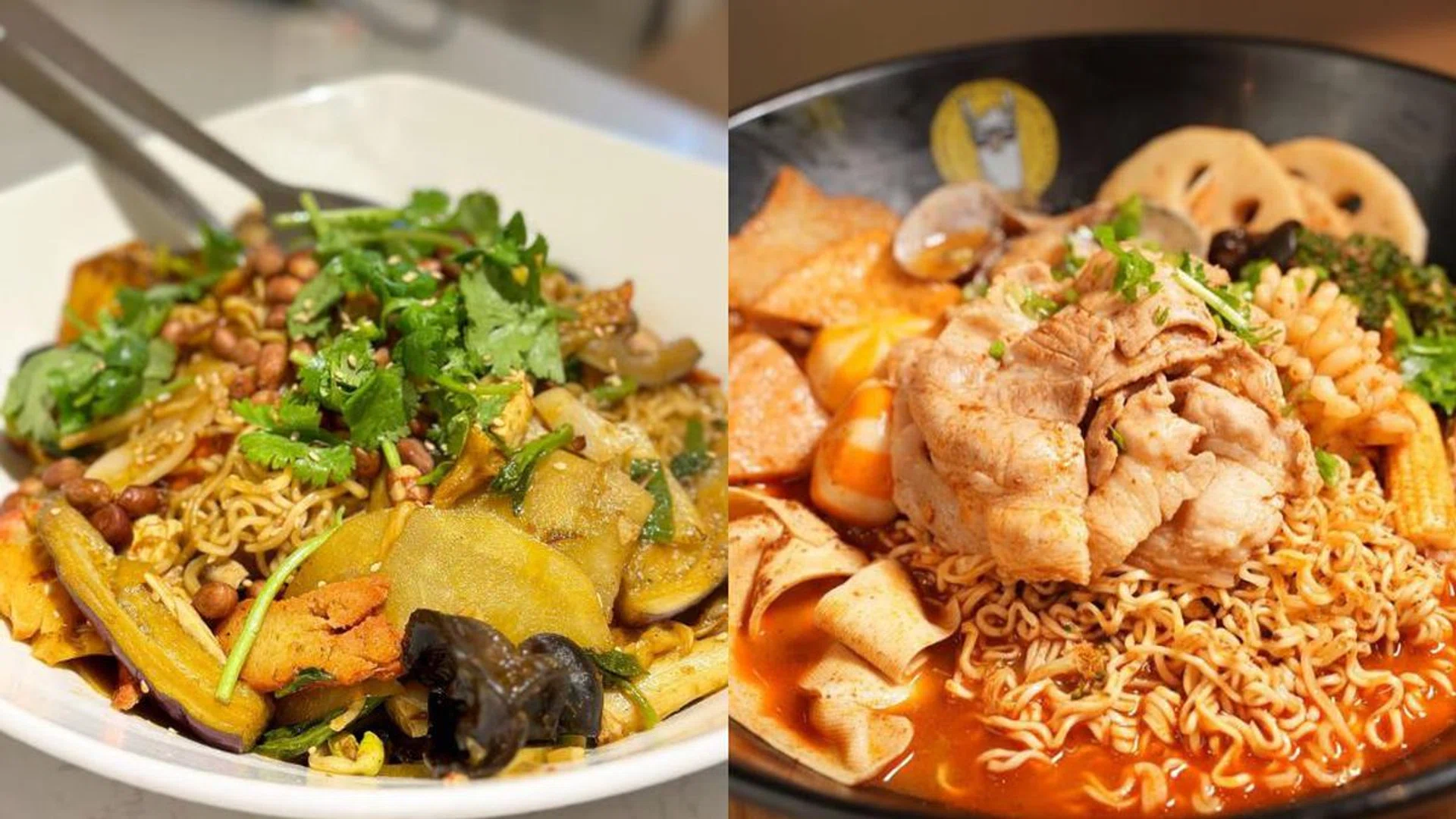
The story of Mala Xiangguo Chongqing begins in the rugged landscapes of Jinyun Mountain, where the Tujia ethnic group first crafted this “spicy numbing fragrant pot” as a hearty, home-style meal. Unlike the broth-heavy hot pot, Mala Xiangguo is a dry stir-fry that concentrates flavors in a rich sauce, making it perfect for sharing among friends and family. Originating as simple vegetable and meat stir-fries to welcome guests, it evolved into a restaurant staple by the mid-20th century, reflecting Chongqing’s hospitality traditions.
Today, this dish symbolizes the city’s bold culinary identity. As Chongqing grew into a metropolis hugging the Yangtze River, Mala Xiangguo spread nationwide, adapting to urban tastes while staying true to its roots. For travelers, understanding this evolution adds depth to your China travel guide experience—it’s not just food, but a taste of resilience and community. Fun fact: The dish’s rise parallels Chongqing’s transformation from a wartime capital to a modern hub, much like the high-speed rail networks connecting it to the rest of China (check out our post on What’s Behind China’s High-Speed Rail Revolution? for more on getting here efficiently).
Key milestones in its journey include:
- Traditional Roots: Tujia home cooking with seasonal ingredients like bamboo shoots and wild greens.
- Urban Boom: Post-1950s adaptation in street stalls, incorporating meats and seafood for broader appeal.
- Global Fame: Now a staple in overseas Chinese eateries, with fusions like vegan versions gaining traction.
For deeper reading, explore its history on Wikipedia.
Defining Mala Xiangguo: Flavor Profile and Customization

What makes Chongqing Mala Xiangguo irresistible? It’s the perfect storm of “ma” (numbing from Sichuan peppercorns) and “la” (spicy from dried chilies), balanced with umami from doubanjiang—a fermented broad bean paste that’s the backbone of Sichuan cooking. The citrusy tingle of peppercorns dances on your tongue, while garlic, ginger, and smoky chilies build layers of heat. This isn’t subtle cuisine; it’s an explosion of flavors that wakes up your senses, ideal for Chongqing’s humid climate.
Customization is where the magic happens, turning it into a personal China culinary experience. At riverside stalls, you’ll pick from trays of fresh ingredients: tender beef slices, bouncy fish balls, crunchy lotus root, or even quail eggs. Vegetarians can load up on tofu puffs and mushrooms, while spice levels range from mild (for newcomers) to “inferno” for thrill-seekers. Pair it with steamed rice to soak up the sauce—trust us, you’ll need it!
As part of your Chongqing travel tips, start with smaller portions if you’re new to spice; the numbing effect can linger. This interactive style mirrors China’s communal dining culture, where sharing fosters connections. If you’re a foodie, dive into more must-try dishes in our guide: Top 5 Chinese Dishes You Can’t Miss on Your Foodie Tour.
Typical Ingredients in Chongqing Mala Xiangguo
| Category | Typical Ingredients |
|---|---|
| Meat/Seafood | Beef, chicken, fish balls, shrimp, quail eggs |
| Vegetables | Lotus root, potatoes, cauliflower, bok choy, mushrooms |
| Extras | Tofu puffs, peanuts, bamboo shoots |
| Aromatics/Base | Garlic, ginger, Sichuan peppercorns, dried chilies |
| Sauce/Seasonings | Doubanjiang, soy sauce, Shaoxing wine, fermented beans |
Source: Adapted from Ang Sarap.
Riverside Street Eateries: Local Adaptation and Ambiance

Nothing beats devouring Mala Xiangguo Chongqing amid the lively chaos of riverside street eateries along the Jialing or Yangtze Rivers. These spots in districts like Yuzhong or Nan’an buzz with locals and tourists, where steam rises from massive woks and the air hums with chatter and sizzling oils. The ambiance? Think misty mountain views by day, neon-lit bridges by night—pure magic that enhances every bite.
Local adaptations shine here: Vendors use fresh, river-sourced seafood or seasonal veggies, tweaking recipes for the humid weather. It’s interactive dining at its best—point to your picks at the counter, watch the chef wok-toss it all in minutes. As a China famous street food, these eateries offer affordable feasts (around 50-100 CNY per pot for two), blending tradition with Chongqing’s “mountain-meets-river” lifestyle. Pro tip: Visit during golden hour for photos, and use apps like Dianping for reviews. For night market vibes similar to these streets, see our article on How China’s Night Markets Offer Food, Fun, and Culture.
Cultural insight: Sharing Mala Xiangguo here isn’t just eating; it’s bonding, echoing Chongqing’s social spirit. Nearby, explore the monorail through buildings or escalators up hills—perfect add-ons for your itinerary.
The Culinary Technique: Crafting Mala Xiangguo

Behind the bold flavors of Chongqing Mala Xiangguo lies masterful technique. Chefs start by infusing oil with beef fat, Sichuan peppercorns, and chilies for that signature mala base—high heat extracts aromas without burning. Aromatics like garlic and ginger follow, deglazed with Shaoxing wine and soy for depth. Ingredients go in last: hardy veggies first, delicate ones later, all flash-fried to retain crunch.
Each eatery guards a secret: Some add star anise or cinnamon for warmth, others 20+ spices. Finish with roasted peanuts and sesame oil for texture. This wok wizardry, honed over generations, showcases China culinary experiences at their peak. If you’re inspired to try at home, recipes abound online, but nothing beats the streets. Pair your visit with broader Chongqing adventures in IShowSpeed’s Forth Day Chongqing Takeover: Cyber City Vibes and Madness.
Popularity, Adaptation, and Future Trends
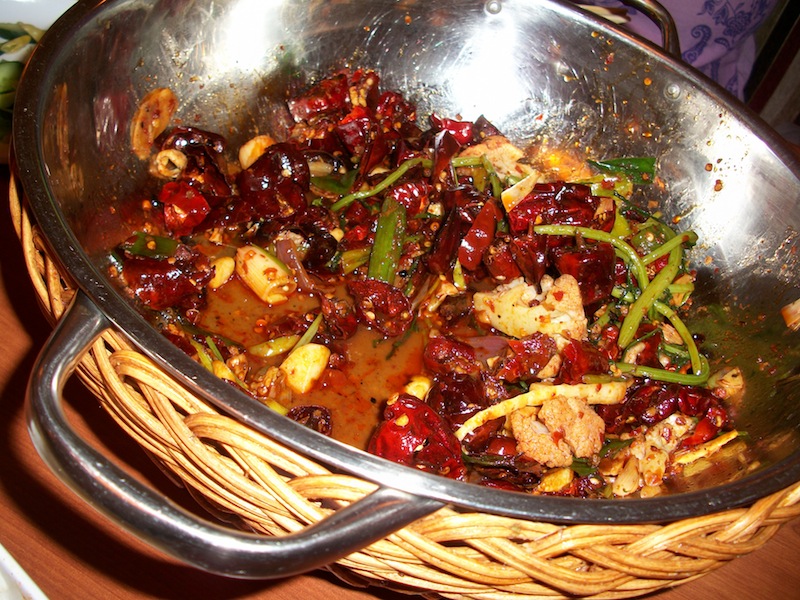
Mala Xiangguo Chongqing has skyrocketed in popularity, from local stalls to global menus, especially post-2010s with social media hype. In Chongqing, it’s a daily ritual; abroad, adaptations like lighter versions suit milder tastes. As China famous street food, it inspires fusions—mala noodles, chips, even vegan pots—while staying rooted in tradition.
Future trends? Expect more sustainable sourcing and tech integrations, like app-based custom orders. For travelers, this means evolving Chongqing travel tips: Seek eco-friendly stalls or AR cooking demos. Its global appeal underscores China’s soft power through cuisine. Dive into city explorations via Top 10 Must-Visit Cities in China for 2025 Adventures and Essential China Travel Tips for a Memorable Journey.

In conclusion, exploring Chongqing Mala Xiangguo in riverside eateries is more than a meal—it’s a gateway to vibrant China culinary experiences and cultural immersion. From its Tujia origins to customizable street-side feasts, this dish captures Chongqing’s fiery soul. Armed with these insights, your trip will be spiced just right. At jusha.travel, we’re passionate about guiding you through China’s wonders—safe travels and bon appétit!
Have you tried Mala Xiangguo? Share your spicy stories in the comments below, or check out more on China Visa Requirements to plan your adventure. Visit jusha.travel for additional China travel inspiration!
Frequently asked questions
What is Chongqing Mala Xiangguo?
Mala Xiangguo is a spicy stir-fry dish known for its numbing heat and bold flavours, and the post calls it one of China's most iconic street food sensations. Unlike broth-heavy hot pot, it is a dry stir-fry that concentrates flavours in a rich sauce, making it suited to sharing.
Where did Mala Xiangguo originate?
The story of Mala Xiangguo Chongqing begins in the rugged landscapes of Jinyun Mountain, where the Tujia ethnic group first crafted this spicy numbing fragrant pot as a hearty home-style meal. As Chongqing grew into a metropolis hugging the Yangtze River, the dish spread nationwide.
What does Mala Xiangguo taste like?
It is a combination of ma, the numbing sensation from Sichuan peppercorns, and la, the spice from dried chillies, balanced with umami from doubanjiang, a fermented broad bean paste that is the backbone of Sichuan cooking. Garlic, ginger and smoky chillies build layers of heat.
How much does Mala Xiangguo cost in Chongqing?
The post says riverside eateries offer affordable feasts at around 50-100 CNY per pot for two, blending tradition with Chongqing's mountain-meets-river lifestyle.
Can vegetarians eat Mala Xiangguo?
Yes. Vegetarians can load up on tofu puffs and mushrooms, while spice levels range from mild for newcomers to inferno for thrill-seekers. The post advises starting with smaller portions if you are new to spice, because the numbing effect can linger.