


Ping Shan Heritage Trail: Walking Hong Kong’s Living Past
Morning light spills across a grey-brick courtyard where incense has risen for seven hundred years, and a three-storey pagoda catches the first gold above a village Hong Kong’s skyscrapers have all but forgotten. This is the Ping Shan Heritage Trail — a 1.6 km walk past Tang-clan ancestral halls, a study hall, a walled village and the only ancient pagoda left in Hong Kong.
Tucked into the northwest New Territories, the trail links more than a dozen traditional buildings through Hang Mei Tsuen, Hang Tau Tsuen and Sheung Cheung Wai — a calm, free, half-day counterpoint to the bright-light districts most visitors never leave behind.
At jusha.travel, we love sharing tips that lead you beyond the postcard skyline into the neighbourhoods where Hong Kong’s real story lives. In this guide you’ll learn how the Tang clan shaped eight centuries of village life, which monuments to prioritise, the free-admission opening hours you need, and the simple tram-and-trail logistics for an easy half-day from Central.
What Is the Ping Shan Heritage Trail?
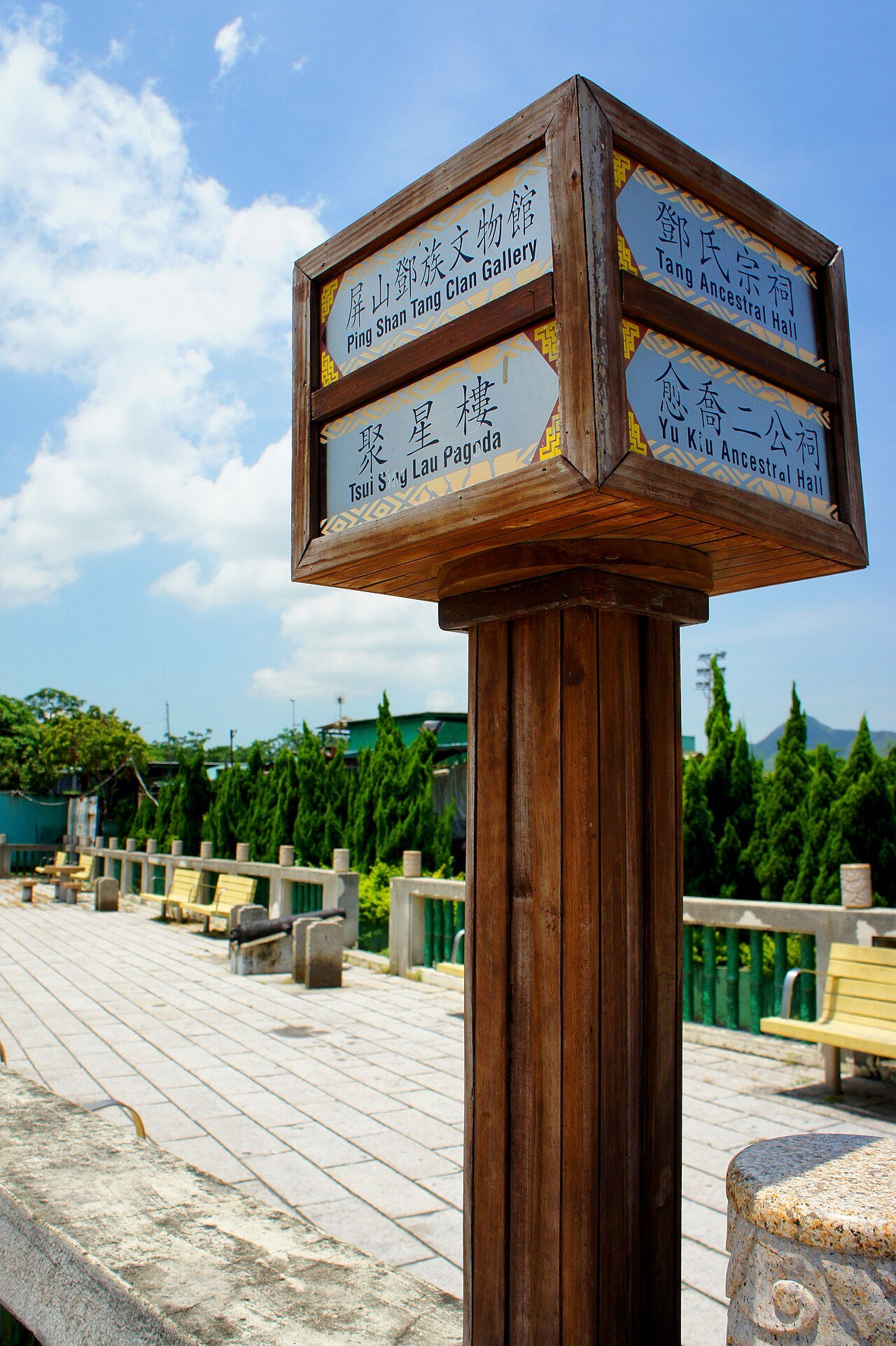
The Ping Shan Heritage Trail is Hong Kong’s first heritage trail, a 1.6 km route inaugurated on 12 December 1993 that links more than a dozen Tang-clan buildings through Hang Mei Tsuen, Hang Tau Tsuen and Sheung Cheung Wai. According to the Antiquities and Monuments Office (AMO), the idea was proposed by the Antiquities Advisory Board and realised by the AMO with the Tang clan’s cooperation (Antiquities and Monuments Office, accessed October 2026).
Unlike a museum, it’s a living place: you walk village lanes, peek into courtyards and step inside working ancestral halls where villagers still hold ceremonies. Plan a half-day, and wear comfortable shoes — the route is almost completely flat.
Who Are the Tang Clan of Ping Shan?
The Tang clan of Ping Shan is one of the “Five Great Clans” of the New Territories, a lineage that has farmed, built and governed this corner of Hong Kong for more than 800 years, according to clan records summarised by Wikipedia. The 86th-generation ancestor Tang Hon-fat moved from Jiangxi to Guangdong in the early Northern Song dynasty (960–1127), and the seventh-generation Tang Yuen-ching later moved from Kam Tin to Ping Shan in the twelfth century (Antiquities and Monuments Office).
They built the “Three Wais (walled villages) and Six Tsuens (villages)” and raised the ancestral halls, temples, study halls and pagoda you’ll meet on the trail, and still keep old customs alive through festival processions and communal meals.
Tsui Sing Lau Pagoda: Hong Kong’s Only Ancient Pagoda
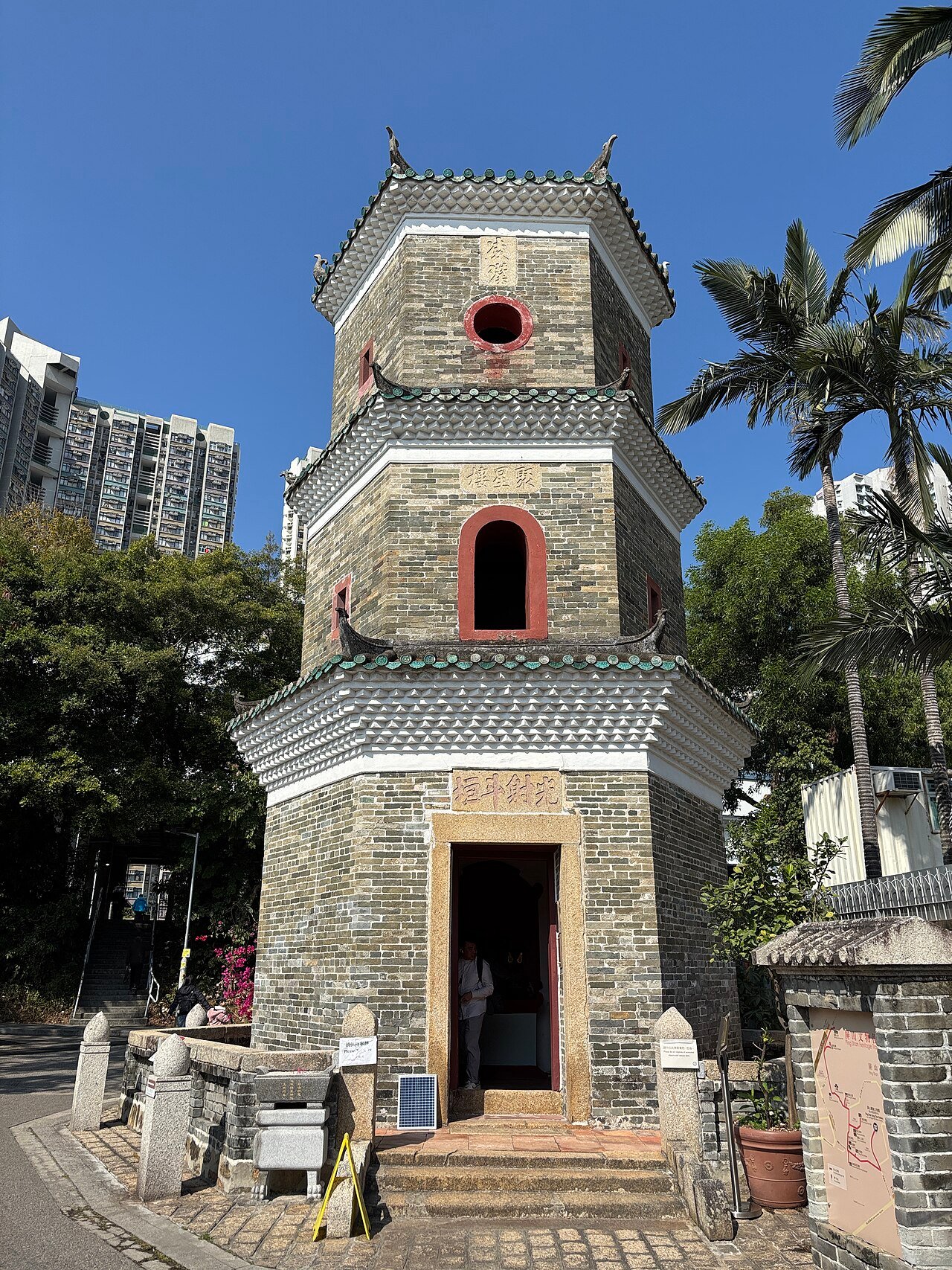
Tsui Sing Lau Pagoda is the only ancient pagoda surviving in Hong Kong, a hexagonal three-storey grey-brick tower about 13 metres tall that the Tang clan raised more than 600 years ago as a feng shui guardian against flood and evil from the north. Village elders say its alignment with Castle Peak was meant to bring clan members success in the imperial exams (Antiquities and Monuments Office, accessed October 2026).
Built by the seventh-generation clansman Tang Yin-tung, it was declared a monument in December 2001. A statue of Fui Shing, the deity of exam success, sits on the upper floor, and inscriptions run across each storey. It opens Monday and Wednesday to Sunday, 9 am to 1 pm and 2 pm to 5 pm, and closes on Tuesdays (except public holidays) plus the first three days of Chinese New Year.
Tang Ancestral Hall and Yu Kiu Ancestral Hall
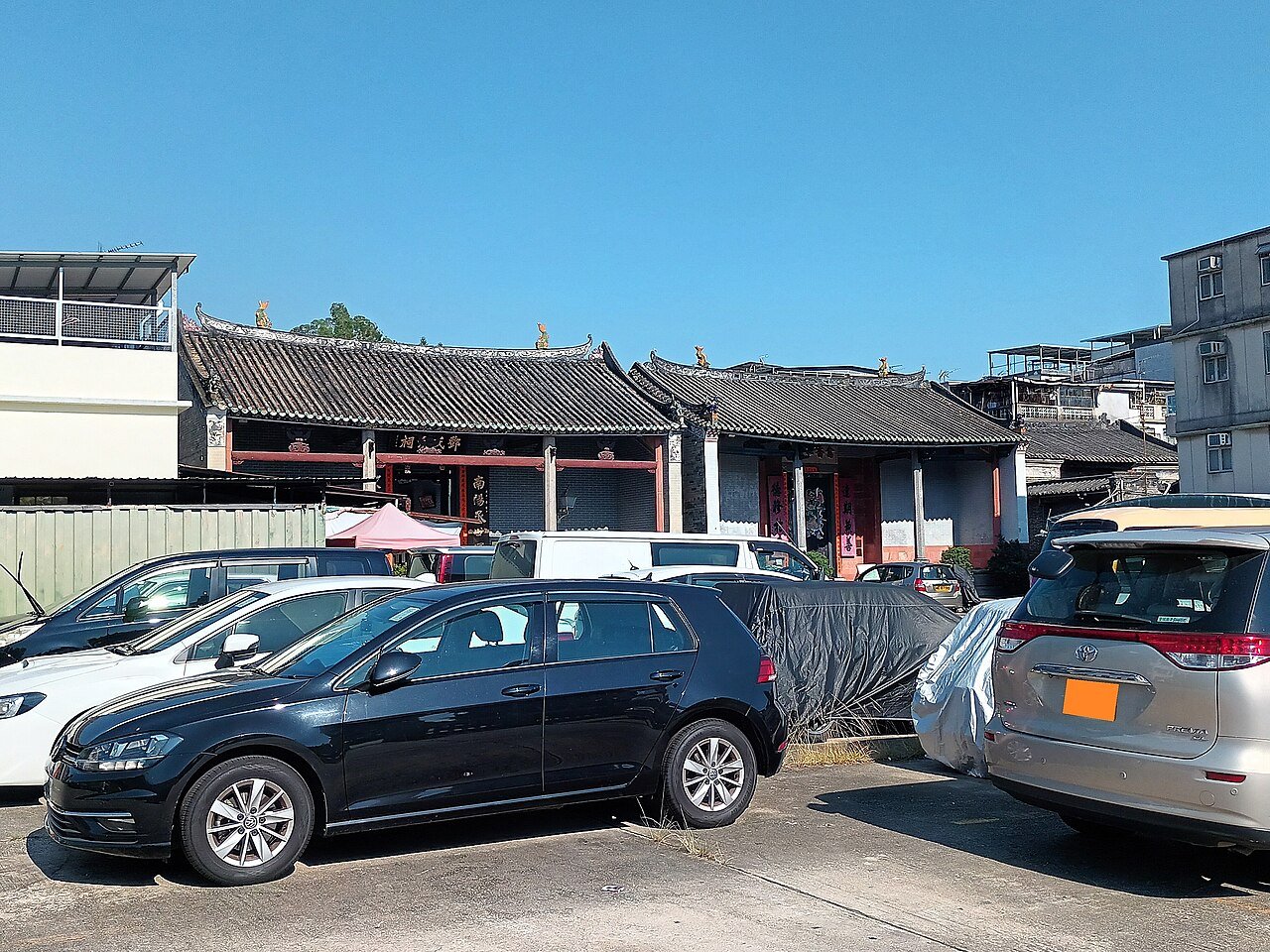
The Tang Ancestral Hall is the clan’s main hall and one of the finest three-hall, two-courtyard buildings in Hong Kong, built roughly 700 years ago by the fifth-generation Tang Fung-shun and declared a monument in December 2001. Restored by the clan in 1990–91, it stays in use for worship, festivals and clan meetings (Antiquities and Monuments Office, accessed October 2026).
Its beams are carved with auspicious motifs and the ridges crowned with Shiwan ceramic figures, while an elevated red-sandstone path hints a clansman once held high office. Beside it, the Yu Kiu Ancestral Hall (built 1515 by Tang Yin-yee and Tang Yin-lung) was declared a monument the same month. Both open 9 am to 1 pm and 2 pm to 5 pm daily, free, closing only for the first three days of Chinese New Year.
Kun Ting Study Hall and Ching Shu Hin
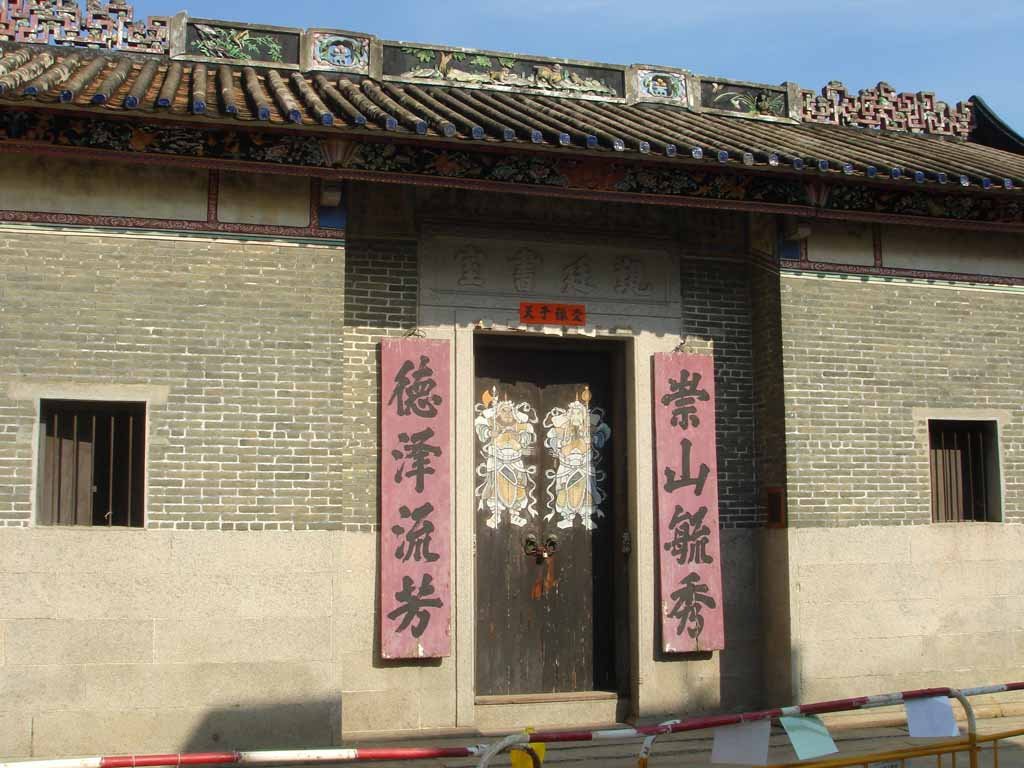
Kun Ting Study Hall is a grey-brick, two-hall building raised in 1870 for both ancestral worship and village education, and it remains one of the best-preserved Qing-dynasty study halls in the New Territories. Tang Heung-chuen built it in memory of his father Tang Kun-ting; when the British took the New Territories in 1899 it briefly served as a police station and land office (Antiquities and Monuments Office, accessed October 2026).
A 1991 restoration funded by the Hong Kong Jockey Club returned its altar, murals and plaster mouldings to their former splendour. The adjoining Ching Shu Hin was the clan’s reception hall for scholars and guests. Hours match the ancestral halls and admission is free.
Sheung Cheung Wai: The Trail’s Walled Village
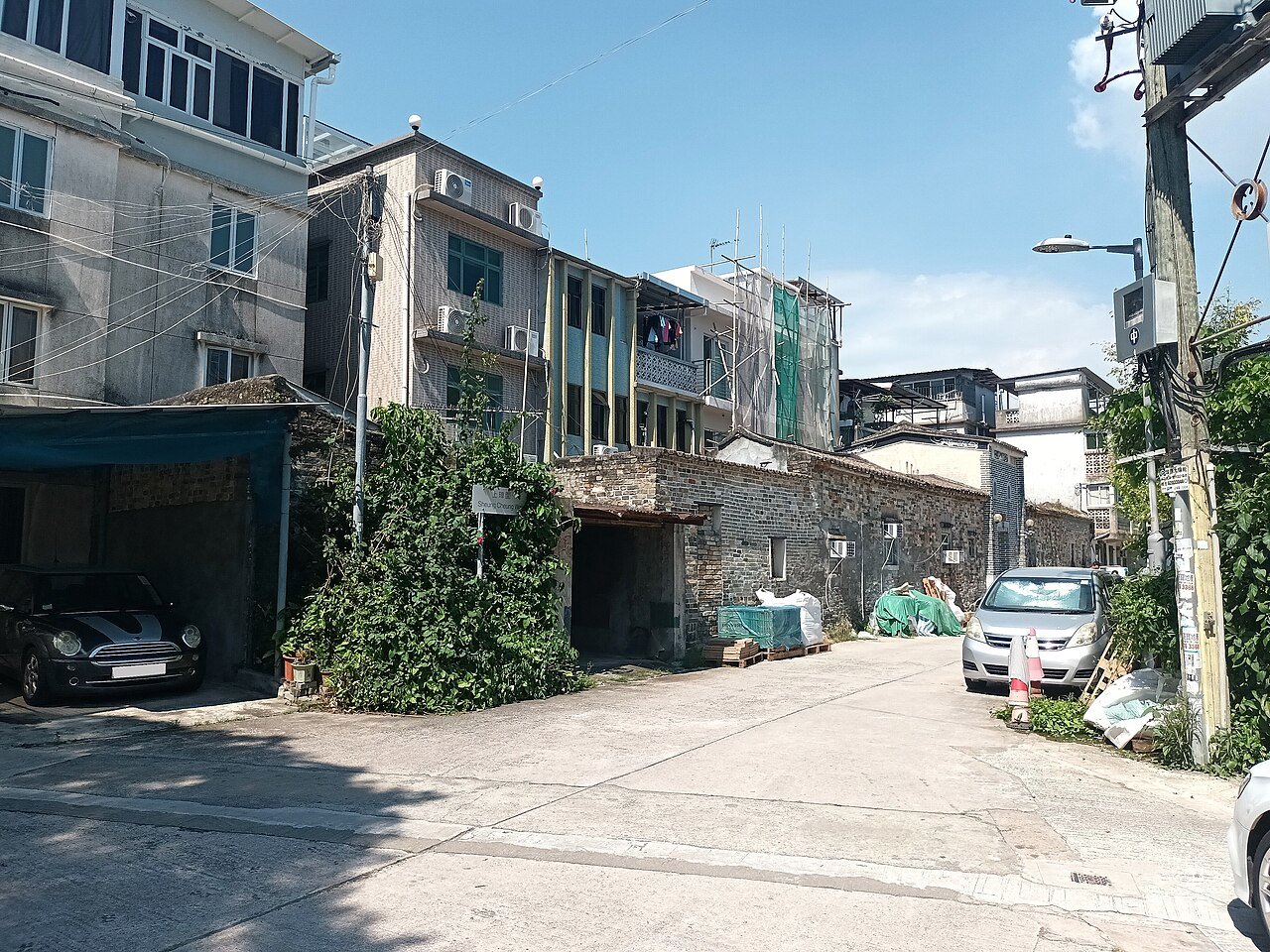
Sheung Cheung Wai is the only walled village on the trail, a roughly 200-year-old settlement whose grey-brick perimeter, central lane and gatehouse still trace the classic defensive plan of a Cantonese lineage village. A Tang branch built it after leaving Hang Tau Tsuen, and its symmetrical houses enclose a shrine on the central axis, once guarded by a moat with a single southern gate.
It is still home to residents, so the reward is atmosphere, not exhibits: weathered brick, quiet lanes and the sense of a working village that outlasted empires. If you like fortified settlements, our guide to Kowloon Walled City Park’s historical charm shows how another walled community evolved across the city.
Ping Shan Tang Clan Gallery and Visitors Centre
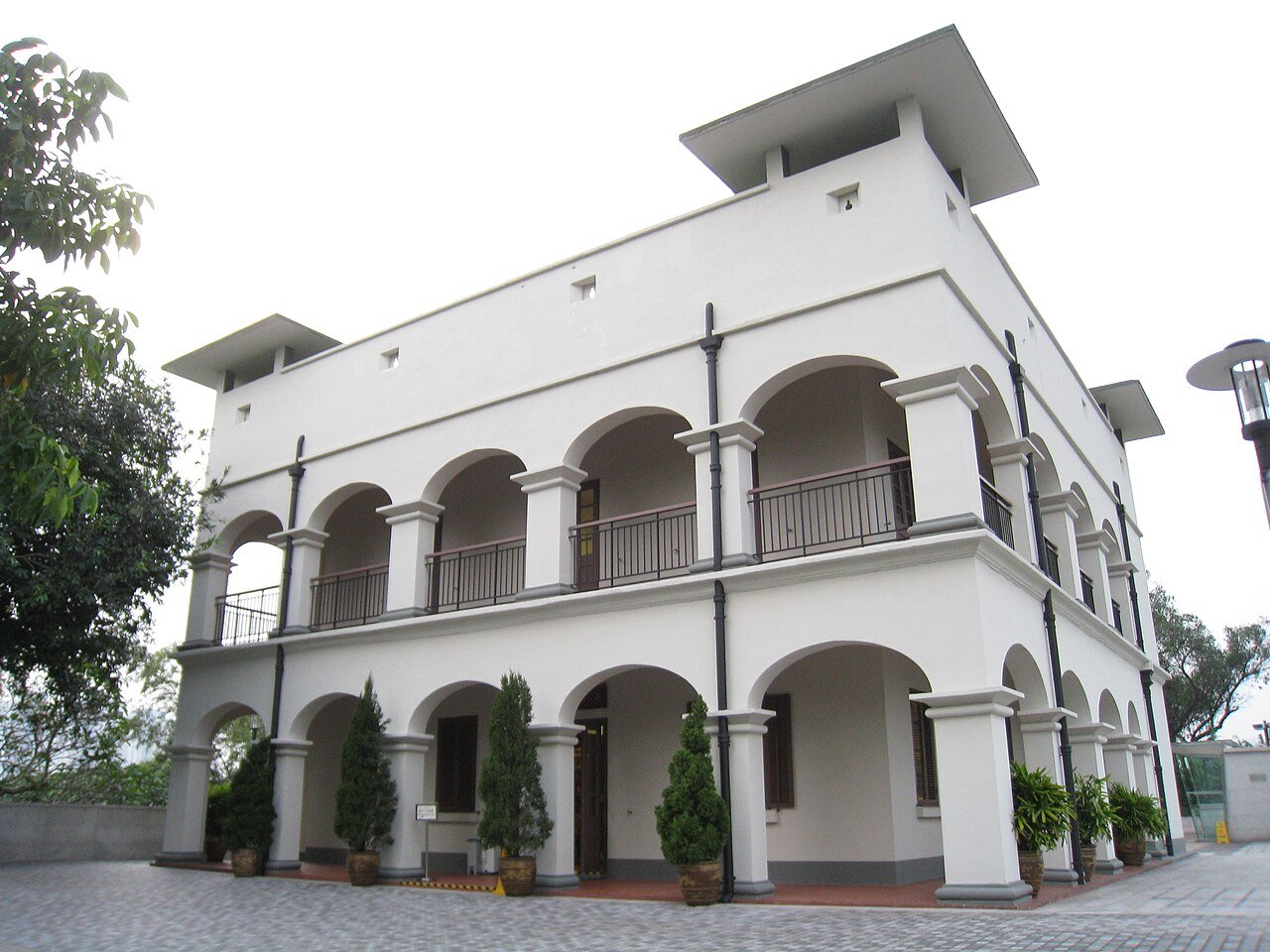
The Ping Shan Tang Clan Gallery cum Heritage Trail Visitors Centre is the trail’s only Western-style building, converted from the Old Ping Shan Police Station completed in 1900 and opened as a museum in 2007. One of the few pre-war police stations left in the New Territories, it introduces the folk culture and historic buildings along the route (Antiquities and Monuments Office, accessed October 2026).
Inside you’ll find the Tang Clan Gallery, a heritage-trail exhibition and a community display. From March to September it opens Tuesday to Sunday 10 am to 6 pm; October to February, 10 am to 5 pm; it closes on Mondays (except public holidays) and the first two days of Chinese New Year. Admission is free, and the hilltop location gives the best overview of the villages below.
Practical Tips for Walking the Ping Shan Heritage Trail
The smartest plan is to start at the pagoda, budget two to three hours with the museum, and check each building’s closing day before leaving Central, because most halls shut one weekday and the pagoda closes Tuesdays. Keep these pointers handy:
- Getting there: Take the MTR Tuen Ma Line to Tin Shui Wai Station and leave via Exit E3 — Tsui Sing Lau Pagoda, the trail’s start, is a one- to two-minute walk across the road (MTR Corporation). The Light Rail also stops at Ping Shan and Hang Mei Tsuen. Brush up first with our guide to navigating the Hong Kong MTR.
- Best order: Pagoda → Tat Tak Communal Hall → Kun Ting Study Hall → Tang Ancestral Hall → Sheung Cheung Wai → uphill to the Gallery at the end.
- Hours: Most halls run 9 am–1 pm and 2 pm–5 pm; the Gallery runs 10 am–6 pm (summer) or 10 am–5 pm (winter) and shuts Mondays; the pagoda shuts Tuesdays.
- Cost: The trail and every building on it are free to enter — no tickets required.
- Respect the village: This is a living community. Lower your voice, don’t enter private homes, and don’t climb the walls or shrine enclosures.
- Eat first: Food on the trail is limited, so enjoy Hong Kong’s dim sum culture in Yuen Long beforehand, or pair another day with Tai O fishing village heritage.
- Bring: Water, sun protection and a fan in summer — much of the route is open with little shade, and modest clothing is respectful inside the halls.
Make Ping Shan Your Quiet Hong Kong Morning
A morning on the Ping Shan Heritage Trail is the New Territories’ deepest dive into clan life in just two or three unhurried hours. You’ll leave with a clearer picture of the farming-and-fortress society that shaped Hong Kong long before the skyline — and a few stories the standard itinerary never tells.
Which corner of Hong Kong’s past will you explore next? Tell us in the comments, and for more slow-travel ideas see our Kowloon Walled City Park guide, our MTR navigation tips, or our dim sum culture read.
Frequently asked questions
How long is the Ping Shan Heritage Trail and how long does it take?
The Ping Shan Heritage Trail is about 1.6 kilometres long and most visitors need roughly one and a half hours to walk it, or two to three hours if you also tour the Tang Clan Gallery and step inside the ancestral halls (Antiquities and Monuments Office).
Is the Ping Shan Heritage Trail free to visit?
Yes. The trail itself is open to the public at no charge, and admission to the historic buildings along it — including the Tang Ancestral Hall, Tsui Sing Lau Pagoda and the Tang Clan Gallery — is also free (Antiquities and Monuments Office).
How do I get to the Ping Shan Heritage Trail?
Take the MTR Tuen Ma Line to Tin Shui Wai Station and leave via Exit E3; Tsui Sing Lau Pagoda, the trail’s start, is a one- to two-minute walk across the road. The Light Rail also stops at Ping Shan and Hang Mei Tsuen (MTR Corporation).
What are the opening hours of the buildings on the trail?
Most halls, including the Tang Ancestral Hall and Kun Ting Study Hall, open 9 am to 1 pm and 2 pm to 5 pm daily, while the Tang Clan Gallery runs 10 am to 6 pm (May–September) or 5 pm (October–February) and closes Mondays. Tsui Sing Lau Pagoda is closed on Tuesdays (Antiquities and Monuments Office).
Can I visit the Ping Shan Heritage Trail on my own or do I need a guide?
You can easily walk the trail independently using the free map at the trailhead; volunteer-led guided walks are also run periodically by local heritage groups if you want the clan’s oral history alongside the plaques.
What should I wear and bring for the Ping Shan Heritage Trail?
Wear comfortable walking shoes and bring water, sun protection and a fan in summer, since the route is mostly open and shade is limited; modest clothing is respectful inside the ancestral halls and temples.