


There is a particular sound in Macau at seven in the morning: a shopkeeper hosing down the pavement in front of a pastel-pink Portuguese façade, while a few lanes away the first incense sticks of the day are lit in a Chinese temple that predates the city itself.
That is the Historic Centre of Macao — not a museum you file past, but a working neighbourhood where four centuries of East–West exchange is still lived in. It was inscribed on the UNESCO World Heritage List on 15 July 2005, and 2025 marked two decades as a protected site (Xinhua, 16 July 2025).
At jusha.travel, we love sharing tips that help you read a place rather than just photograph it, and Macau’s old town rewards the slow traveller more than almost anywhere else in China. This guide covers what the Historic Centre is, the route, costs, transport from Hong Kong, and how to beat the crowds.
What Is the Historic Centre of Macao?
The Historic Centre of Macao is a UNESCO World Heritage property comprising 22 principal buildings and eight public squares that together trace the structure of the old Portuguese trading port, from the A-Ma Temple in the south to the Guia Fortress in the north-east. It was inscribed in 2005 under four cultural criteria, and the UNESCO World Heritage Centre describes it as bearing witness to “the first and most enduring encounter between China and the West, based on the vibrancy of international trade”.
Macao (also spelled Macau) became a Portuguese settlement in the mid-16th century and returned to Chinese sovereignty in 1999. The inscribed property is not the casino strip you have seen in films — that sits on reclaimed land in Cotai. The Historic Centre is the original peninsula city: narrow, hilly, walkable and almost entirely free to enter.
Three things make it unusual among World Heritage sites:
- It is cumulative, not monumental. You are not visiting one palace or temple; you walk a sequence of squares and buildings that only makes sense as a route.
- It is inhabited. Schools, bakeries, laundries and family homes still occupy the same blocks.
- It is genuinely hybrid. The Ruins of St. Paul’s carries Chinese characters on a baroque-mannerist façade; the Mandarin’s House blends oyster-shell windows with Western columns.
The Landmarks That Matter Most
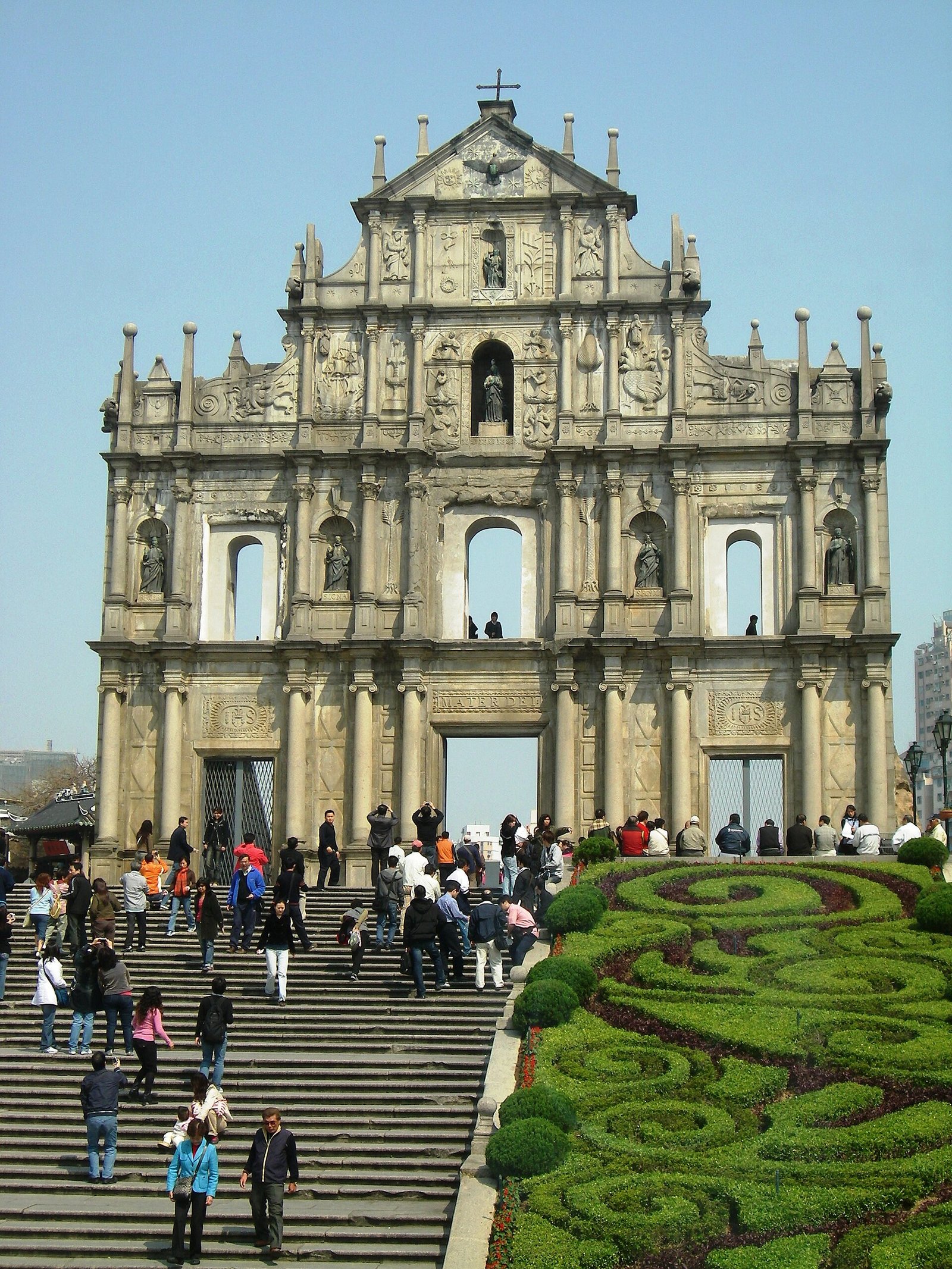
You do not need all 30 elements to understand the city. Six stops carry most of the meaning.
| Site | Why it matters | Built / founded | Crowds |
|---|---|---|---|
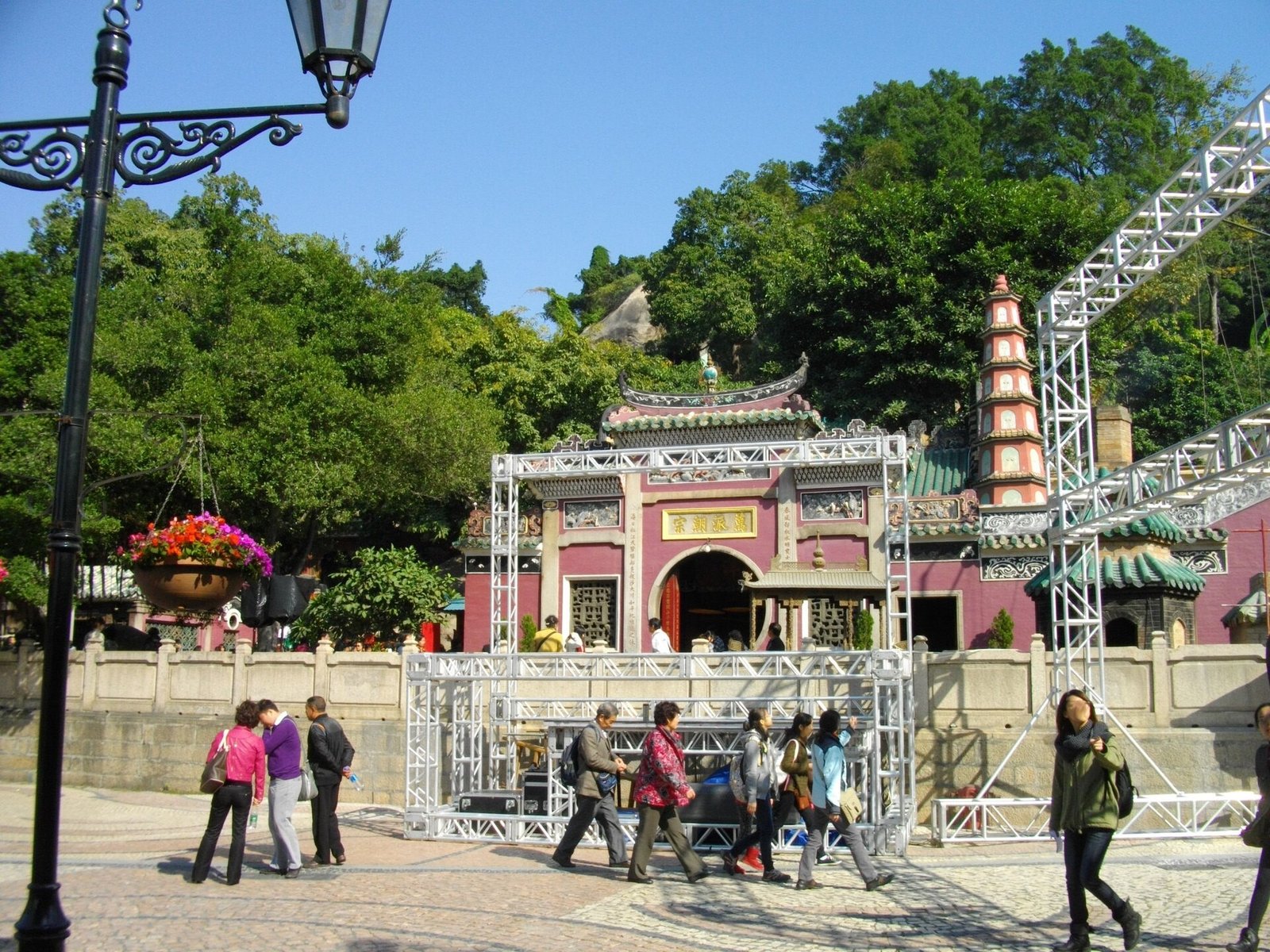
| A-Ma Temple | The temple that gave the city its name; the oldest surviving temple in Macao | Predates Portuguese arrival | Moderate |
| Mandarin’s House | Macao’s largest traditional residential compound; home of reformer Zheng Guanying | Before 1869 | Quiet |
| Senado Square | The city’s civic heart for centuries, paved in wave-pattern stone from Portugal | Paving laid in the 1990s | Busy all day |
| St. Dominic’s Church | Founded by Spanish Dominicans in 1587; the baroque altar is worth the queue | 1587 | Moderate |
| Ruins of St. Paul’s | The only surviving façade of the Church of Mater Dei, burnt in 1835 | 1602–1640 | Very busy |
| Mount Fortress | Principal military defence, built with the Jesuits; the Macau Museum is inside | 1617–1626 | Comfortable |
The Classic Walking Route (and the Reverse Version)
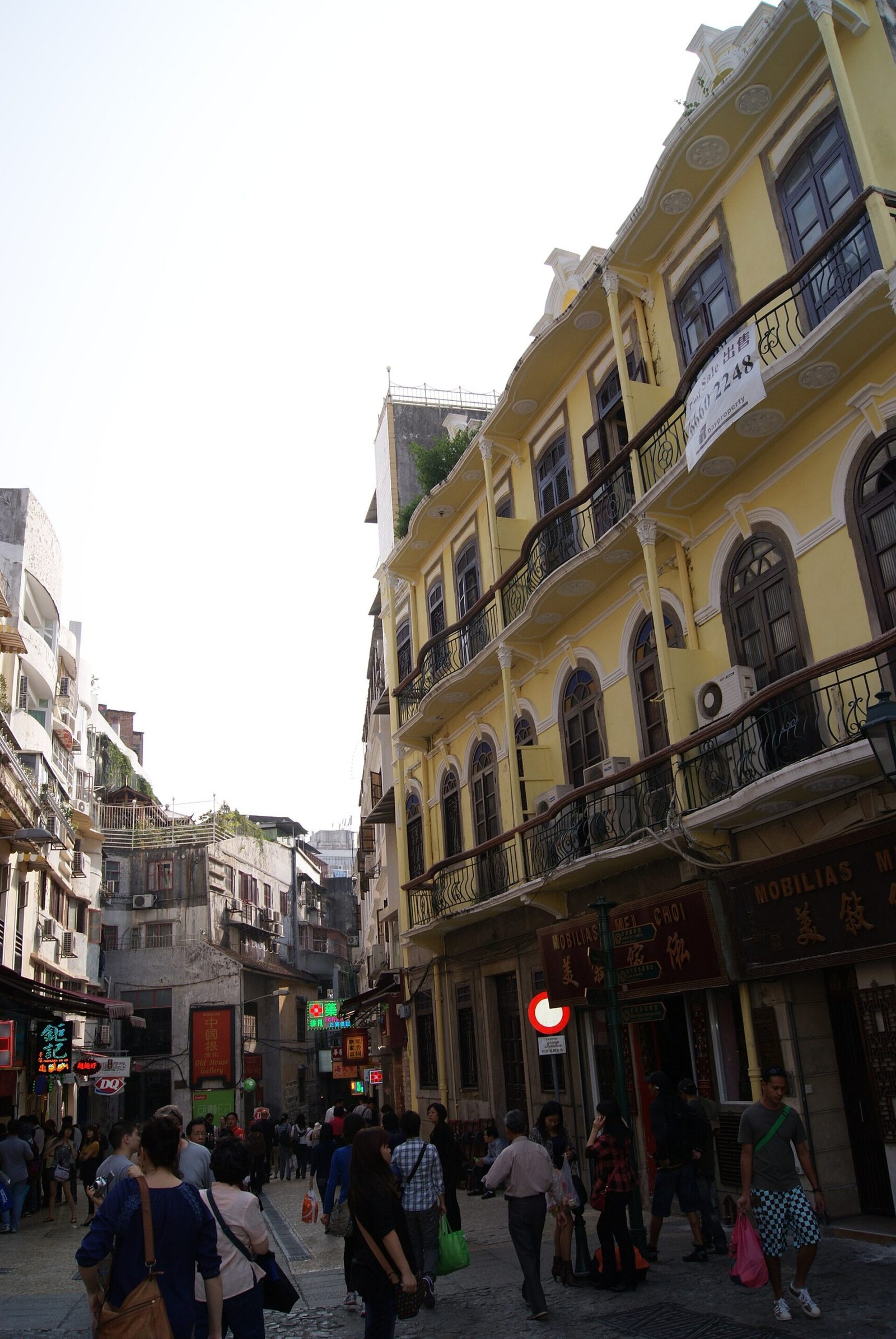
The standard self-guided circuit covers roughly 4–6 km in two to three hours at a comfortable pace, running north from Senado Square to the Ruins of St. Paul’s, east to Mount Fortress, then looping back south. The terrain climbs steadily from A-Ma Temple at sea level to St. Paul’s, so wear grip-soled shoes — the cobblestones are slick after rain.
- Start at A-Ma Temple (Barra Square), ideally by 9am — this is where the city’s story begins.
- Walk 500 m to the Mandarin’s House and Lilau Square.
- Walk 350 m to St. Lawrence’s Church, then 650 m to Senado Square.
- Walk 280 m to St. Dominic’s Church, then 100 m to Lou Kau Mansion.
- Walk 400 m to the Ruins of St. Paul’s, then ride the escalator to Mount Fortress and the Macau Museum.
The reverse version is the real insider move. Almost every tour group does Senado Square first and reaches A-Ma Temple by mid-afternoon. Walk it backwards instead: start at Senado Square, push through to St. Paul’s before 10am, and finish at A-Ma Temple as the day cools.
Getting There From Hong Kong
Macau is a realistic day trip from Hong Kong, and how you cross matters.
- Ferries (TurboJET and Cotai Water Jet) run from Sheung Wan and Tsim Sha Tsui, taking about an hour and landing on the Macau peninsula. Our guide to riding Hong Kong’s Star Ferry on Victoria Harbour covers the terminals.
- The Hong Kong–Zhuhai–Macao Bridge (HZMB) shuttle bus is often cheaper, but the Macau port sits well north of the Historic Centre — budget extra time on arrival.
Immigration at peak times is slow, and the Macao Public Security Police Force runs separate channels for non-resident clearance. Check entry requirements with the Macao SAR Government portal before you travel, as visa-free stays vary by nationality.
Getting around is cheap. The Macao Government Tourism Office lists the public bus fare at MOP6.00 with no change given on board, so carry coins or load a Macau Pass card. The Macao Light Rapid Transit (LRT) is more of a Cotai and Taipa tool than a heritage one — its Taipa Line reaches Barra, a convenient back door to A-Ma Temple, while newer lines serve Coloane and Hengqin rather than the old town.
What to Eat on the Route
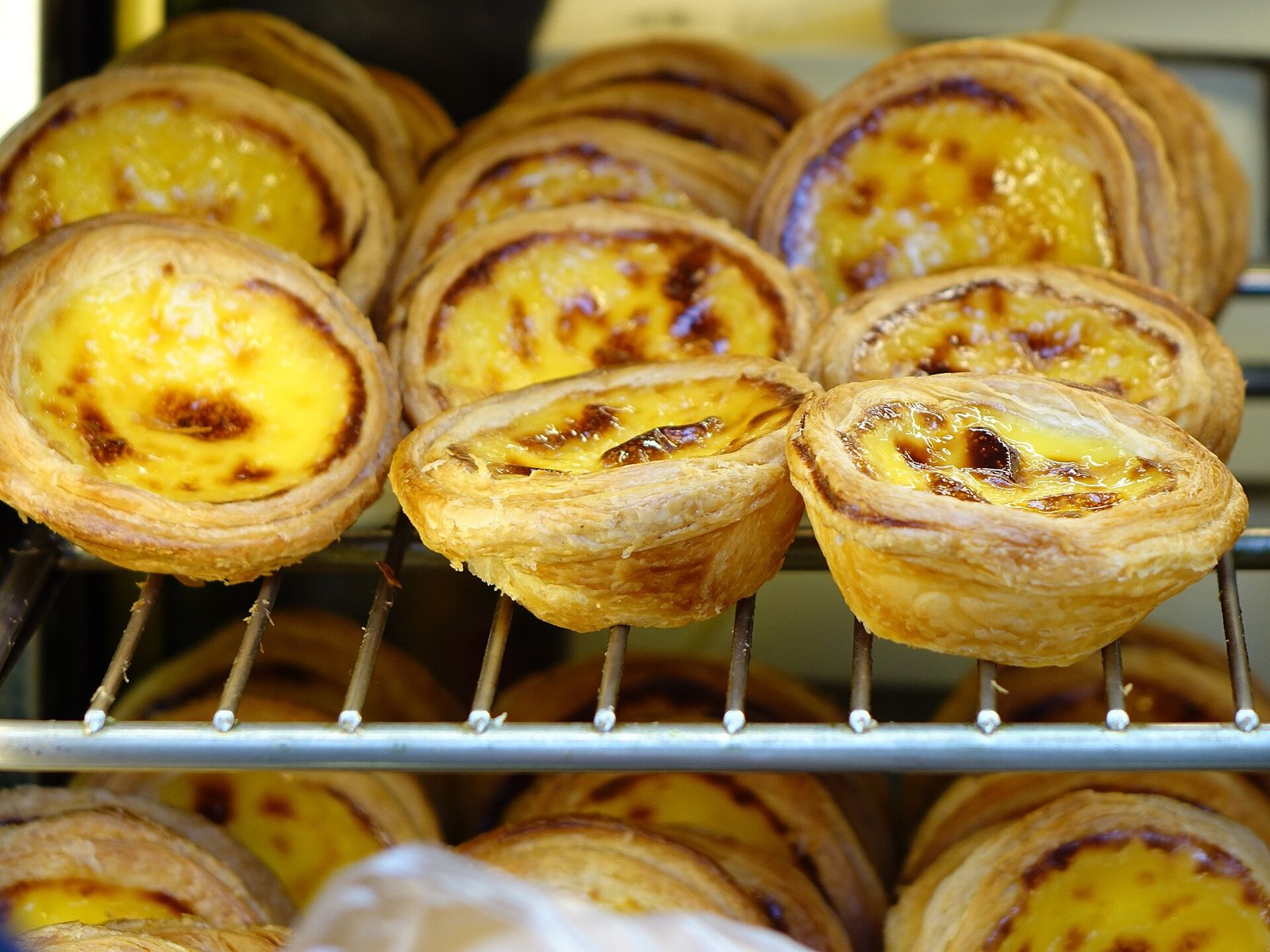
Macanese food is the most literal evidence of the city’s hybrid history. Rather than chasing a viral shop, pick the dish and buy from whichever busy, clean counter has a manageable queue — quality tracks turnover, not reputation.
| Dish | Where it fits | What to look for |
|---|---|---|
| Portuguese egg tart | Mid-route snack between Senado Square and St. Paul’s | A blistered, caramelised custard top and crisp laminated shell |
| Pork chop bun | A practical walking lunch near A-Ma Temple or Taipa | Chop cooked to order; expect bone in traditional versions |
| Minchi | A proper sit-down dinner, not a between-churches snack | Minced meat and diced potato, usually topped with a fried egg |
| African chicken | Evening meal, ideally on the peninsula or in Taipa Village | Grilled chicken in a coconut, chilli and peanut sauce |
If you want the Cantonese side of Macau’s table, its dim sum and roast traditions share DNA with neighbouring Guangdong. Our post on the best dim sum spots in Hong Kong is a useful comparison, and our piece on Hong Kong’s vanishing dai pai dong street kitchens explains the open-air stall culture of the Pearl River Delta. For the tea-house ritual, see how to order milk tea in a Hong Kong cha chaan teng.
Practical Tips for Your Visit
- Go before 10am. The Ruins of St. Paul’s goes from peaceful to packed in half an hour — this matters more than any other decision here.
- Most sites are free. Churches, squares and public spaces cost nothing.
- Carry coins. Bus fare is MOP6.00 and no change is given. The pataca is pegged to the Hong Kong dollar, and HKD is widely accepted at 1:1, so you need not change money.
- Wear grip-soled shoes and bring water. The centre is hilly, the Portuguese stone paving is polished smooth in places, and the lanes trap heat.
- Be quiet inside working churches. These are active parishes, not attractions — our guide to Chinese customs and etiquette covers the wider etiquette.
Why Macau Is Worth a Full Day, Not an Afternoon
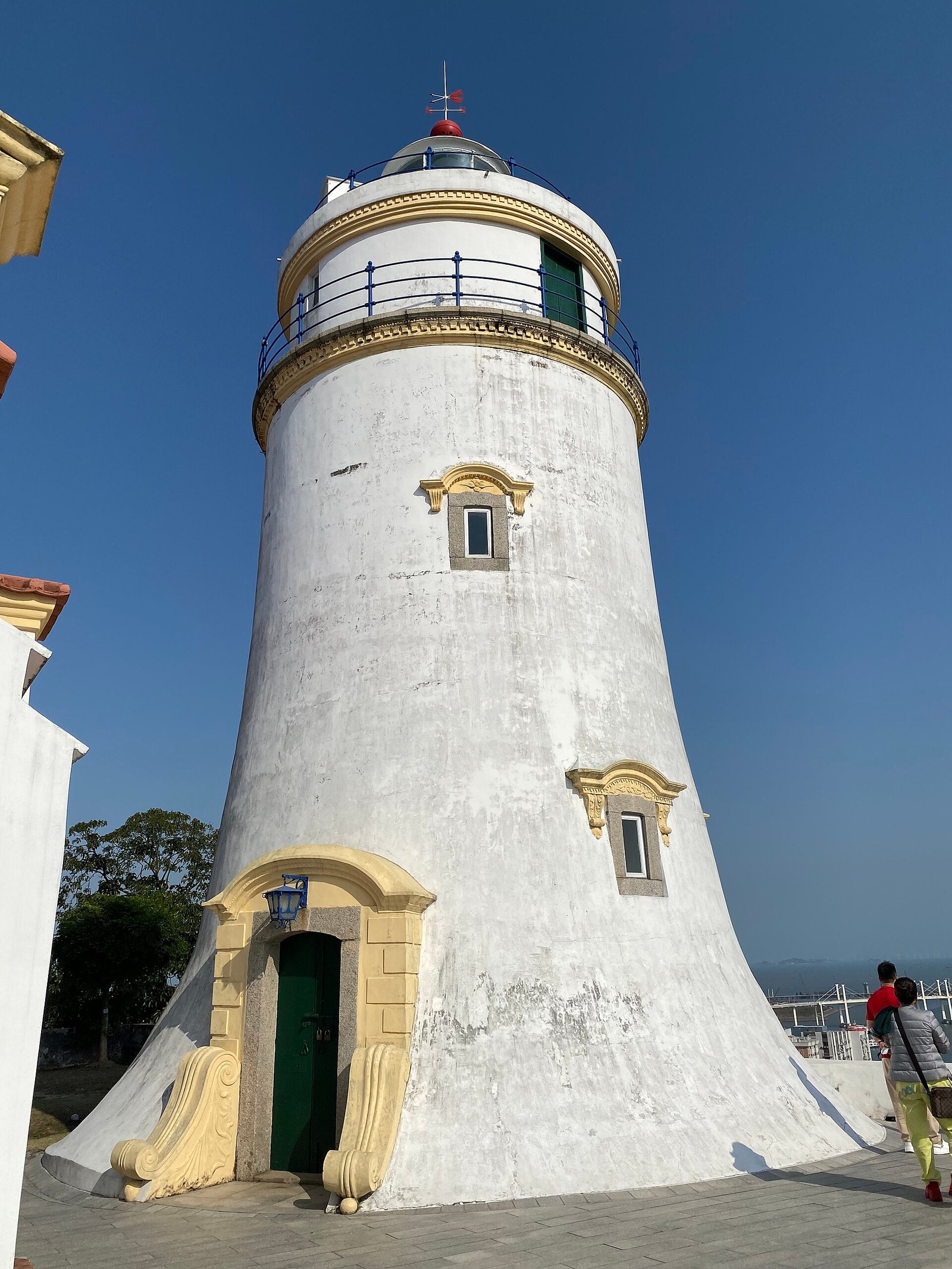
The Historic Centre is not a checklist — it is a walk through a city that solved the problem of two civilisations sharing one harbour four centuries before anyone called it globalisation. Two decades after inscription it has entered a different phase: UNESCO notes that protection rules have been tightened repeatedly since 2005 to manage development pressure around Guia Hill (UNESCO World Heritage Centre). You can feel that tension on the ground — a living neighbourhood under preservation rules, still hanging its washing out.
If you have already seen the headline sights of China, Macau is a better use of a day than another ticketed monument. Our guide to what makes Suzhou’s classical gardens a UNESCO treasure is a natural companion piece.
Have you walked the Historic Centre? Tell us which lane you found in the comments — we update our guides when readers send us the turns we missed.
Frequently asked questions
Is the Historic Centre of Macao free to visit?
Yes — the Historic Centre of Macao is free to visit. All the squares, churches, temples and public spaces in the UNESCO-listed area can be entered at no charge. Only a few indoor museums charge admission, such as the Macau Museum inside Mount Fortress, and the Guia cable car carries a small fee.
How long does it take to walk the Historic Centre of Macau?
Allow two to three hours for the core circuit and three to four if you go inside the museums. The route covers roughly 4–6 km depending on detours, and the terrain is hilly — it rises from A-Ma Temple near sea level to the Ruins of St. Paul’s and Mount Fortress.
When was the Historic Centre of Macao declared a UNESCO World Heritage Site?
It was inscribed on 15 July 2005, at the 29th session of the World Heritage Committee in Durban, South Africa. The property comprises 22 principal buildings and eight public squares, and 2025 marked its 20th anniversary. Macao was the 31st Chinese site added to the list.
How do I get to Macau from Hong Kong for a day trip?
Take a TurboJET or Cotai Water Jet ferry from Sheung Wan or Tsim Sha Tsui — about an hour, landing on the Macau peninsula close to the historic centre. Alternatively, the Hong Kong–Zhuhai–Macao Bridge shuttle bus is often cheaper but leaves you further from the old town. Check entry requirements for your nationality with the Macao SAR authorities, as visa-free stay limits differ.
What is the best time of day to visit the Ruins of St. Paul’s?
Arrive before 10am. The Ruins of St. Paul’s is the busiest single spot in the historic centre, and the area stays crowded from mid-morning until early evening. Walking the route in reverse — starting at Senado Square and finishing at A-Ma Temple — gets you there ahead of the coach groups, with a downhill finish instead of a climb.
Do I need to speak Portuguese or Cantonese to visit Macau?
No. Chinese and Portuguese are Macao’s two official languages and most signage is bilingual, with English generally added at major heritage sites and on public transport. English is widely understood in hotels, museums and restaurants in the historic centre, and most menus have English options.