
Breathing in the Fresh Air of Jiuzhaigou’s Turquoise Lakes
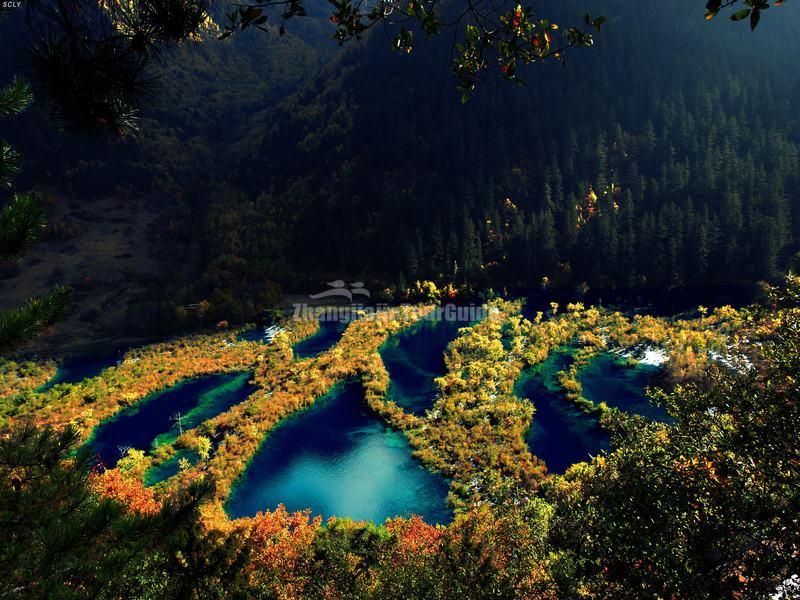
Imagine standing at the edge of a crystal-clear lake, its water shimmering in impossible shades of turquoise under the crisp alpine sky. This is the magic of Jiuzhaigou, a UNESCO World Heritage Site in northern Sichuan Province, China, where the Jiuzhaigou lakes captivate travelers with their ethereal beauty. Nestled in the heart of China’s alpine beauty, this national park offers a breath of fresh air—literally and figuratively—for those seeking respite from urban hustle. Here at jusha.travel, we love sharing tips to make your China journey unforgettable, and Jiuzhaigou stands out as a gem for nature lovers, culture enthusiasts, and adventure seekers alike. In this post, we’ll dive into the science behind those mesmerizing turquoise China waters, explore the park’s biodiversity including panda habitat explorations, and provide practical advice to help you plan your visit. Whether you’re hiking serene trails or learning about Tibetan traditions, Jiuzhaigou promises an immersive escape into China’s stunning natural and cultural tapestry.
Discovering the Enchanting Jiuzhaigou Lakes

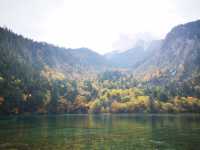
The Jiuzhaigou lakes are the undisputed stars of this 720-square-kilometer paradise, formed by ancient glacial activity and karst landscapes. Spanning elevations from 2,000 to 4,500 meters, the park’s three main valleys—Rize, Zechawa, and Shuzheng—form a Y-shaped wonderland dotted with over 100 lakes, waterfalls, and forests. For more on China’s iconic natural sites, check out our guide to the Best Places to Visit in China: Discover Iconic Landmarks and Hidden Gems.
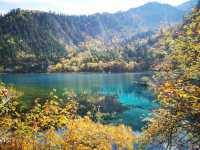
Take the iconic Five Flower Lake, for instance. Its name comes from the five colors—blue, green, yellow, purple, and white—created by sunlight filtering through mineral-rich waters and sunken tree trunks. These “sunken forests” are a hauntingly beautiful feature, where fallen logs remain preserved underwater due to the lakes’ low oxygen levels, thanks to high mineral content like calcium carbonate from surrounding limestone. As noted in detailed studies from sources like Wikipedia’s Jiuzhaigou page, the clarity of these waters allows for perfect reflections of the alpine scenery, making every viewpoint feel like a postcard.
Practical tip: Start your exploration early to beat the crowds. The park’s eco-friendly shuttle buses run along boardwalks that protect the fragile ecosystem, ensuring you can immerse yourself in the fresh mountain air without disturbing the landscape. If you’re into photography, autumn is prime time when golden foliage contrasts dramatically with the turquoise China waters.
Iconic Lakes to Prioritize on Your Itinerary
- Long Lake: The park’s largest and highest lake, offering panoramic views of snow-capped peaks and a sense of serene isolation.
- Mirror Lake: Renowned for its mirror-like surface that reflects the surrounding forests and mountains on calm days.
- Pearl Shoal Waterfall: A cascading wonder where water flows over tufa formations, creating a natural “pearl curtain” effect—perfect for a short, rewarding hike.
These spots highlight China’s alpine beauty, blending geology and aesthetics in a way that’s both scientifically fascinating and spiritually uplifting. Remember to pack layers; the high altitude means cooler temperatures, even in summer.
The Science and Serenity of Turquoise Waters
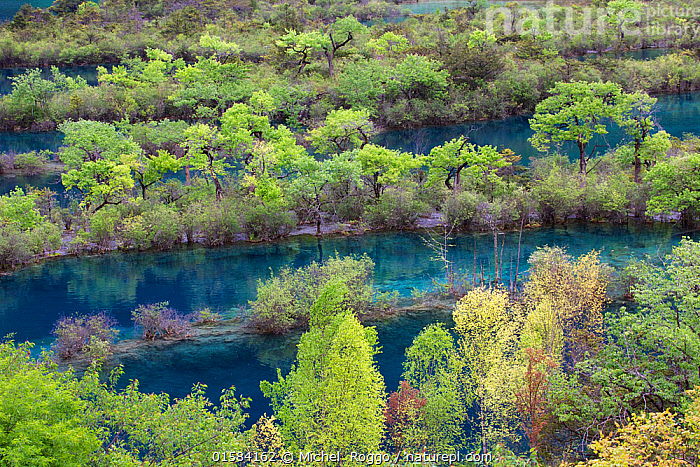
What makes the turquoise China waters so vividly colored? It’s a symphony of natural elements: dissolved minerals from limestone, suspended algae, and pure glacial meltwater that scatters blue light wavelengths. According to insights from Eugene Kaspersky’s travel blog, the lakes’ varying depths and mineral concentrations create those hypnotic hues, from deep indigo to vibrant emerald. In some areas, like Five Colors Pond, sulfur and magnesium deposits add layers of iridescence, making the water look almost otherworldly.
Beyond the visuals, the air here is remarkably fresh—think oxygen-rich breezes from ancient forests that cover 60% of the park. This alpine environment promotes wellness; many visitors report feeling rejuvenated after a day of gentle hiking. For those planning their trip, consider our Essential China Travel Tips for a Memorable Journey to prepare for high-altitude adventures.
Cultural insight: Local Tibetan lore attributes the lakes’ colors to fairy maidens who bathed there, infusing the waters with their purity. This blend of science and myth underscores Jiuzhaigou’s role as a cultural touchstone for the nine Tibetan villages within the park.
Embarking on Panda Habitat Explorations
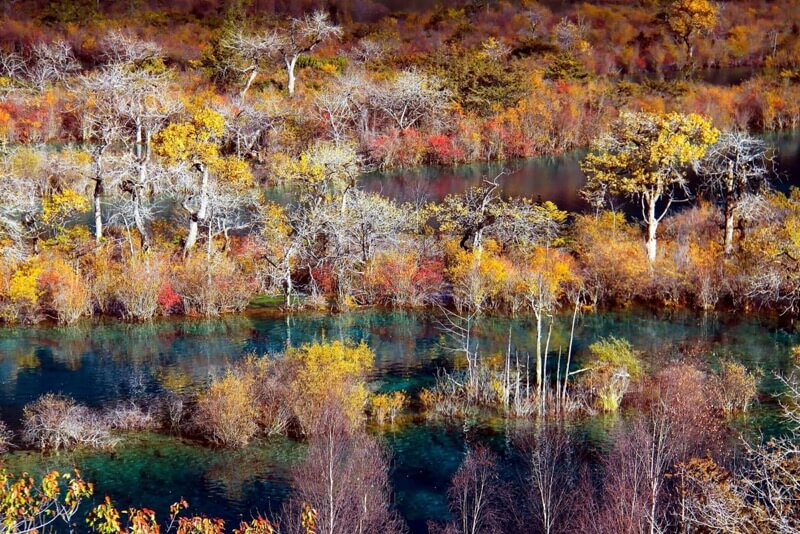
While the lakes steal the show, Jiuzhaigou’s dense bamboo forests make it a prime spot for panda habitat explorations. As a World Biosphere Reserve, the park shelters giant pandas, Sichuan golden monkeys, and over 220 bird species. Though pandas are elusive, the surrounding Min Mountains provide critical habitat, and nearby reserves like the Wolong Panda Center (a short drive away) offer closer encounters.
Fact: Conservation efforts since 1980 have banned logging and limited visitors to 40,000 daily, preserving this biodiversity hotspot. Spotting a panda in the wild would be a once-in-a-lifetime thrill, but even without sightings, the trails through primeval forests feel alive with possibility. Pair your visit with ethical tourism; opt for guided eco-tours that support local anti-poaching initiatives.
For broader wildlife adventures in China, explore our post on Top 10 Must-Visit Cities in China for 2025 Adventures, which includes Sichuan’s panda-centric spots like Chengdu.
Tips for Ethical Wildlife Viewing
- Stick to marked paths to avoid disturbing habitats.
- Use binoculars for distant observations—paparazzi-style chasing harms the animals.
- Support conservation by donating to the park’s funds or choosing panda-friendly tours.
This approach not only enhances your experience but aligns with China’s growing emphasis on sustainable tourism.
Immersing in Tibetan Culture and Seasonal Magic

Jiuzhaigou isn’t just nature—it’s a living cultural mosaic. The nine Tibetan villages, like Heye and Zechawa, offer glimpses into traditional life: think prayer flags fluttering in the wind, handcrafted silver jewelry, and communal butter tea ceremonies. Rent traditional attire for photos or join a performance of Tibetan folk dances, where rhythmic drums echo the mountain spirits.
Seasonal highlights add variety: Spring blooms wildflowers along the trails; summer greens the valleys; autumn paints everything in fiery hues; and winter transforms the lakes into icy mirrors (though some areas close for restoration). As detailed on the official Jiuzhaigou site, the best time for China’s alpine beauty is September-October, when crowds thin and colors peak.
Food tip: Savor local Tibetan specialties like tsampa (roasted barley flour) or yak butter tea at park eateries. These hearty meals fuel your hikes and introduce you to the region’s nomadic heritage. If you’re navigating China’s transport, our Transportation in China: A Comprehensive Guide for Western Travelers covers getting from Chengdu via high-speed train or bus.
Practical Travel Tips for Your Jiuzhaigou Adventure
Planning a trip? First, secure your visa—our China Visa Requirements: Essential Guide has all the details. From Chengdu’s airport (about 2 hours away), buses or private transfers are straightforward; book tickets online via platforms like Ctrip.
Entrance fees are around 220 CNY (off-season lower), with limited daily slots—reserve in advance, especially for international visitors. Acclimate to the altitude by resting the first day; drink plenty of water and avoid alcohol. Facilities include rest areas, bilingual maps, and simple Tibetan-Chinese fusion cafes. For similar natural escapes, see our guide to What Makes Guilin’s Landscapes China’s Most Stunning Escape?.
Overnight outside the park in Zhangzha Town for cozy guesthouses. Pack sunscreen, sturdy shoes, and a reusable water bottle to stay eco-conscious.
Conclusion: Why Jiuzhaigou Should Be on Your China Bucket List
Jiuzhaigou’s Jiuzhaigou lakes, China’s alpine beauty, and turquoise China waters create an unforgettable symphony of nature and culture, where every breath feels purifying. From panda habitat explorations to Tibetan traditions, this park embodies China’s commitment to preserving its wonders for future generations. Whether you’re chasing vibrant reflections or quiet trails, Jiuzhaigou refreshes the soul and inspires a deeper appreciation for the Middle Kingdom.
Ready to plan your visit? Share your thoughts in the comments below—what’s your dream China destination? For more inspiration, head over to jusha.travel and explore our related articles on Sichuan adventures and beyond. Your epic journey awaits!
