


Guizhou Sour Soup Fish: The Fermented Heart of Qiandongnan
The pot arrives before the fish does: a dark clay basin, a lifted lid, a smell that is not quite tomato and not quite vinegar — sweet, sharp, faintly smoky, resinous underneath. By seven in Kaili the windows are fogged and every table has the same red circle at its centre.
Guizhou sour soup fish — suantang yu, 酸汤鱼 — explains Qiandongnan Miao and Dong Autonomous Prefecture better than any museum label. It is a hotpot of freshwater fish in a broth soured by fermentation rather than vinegar, and as of October 2026 it still anchors family tables, station canteens and restaurants that have cooked nothing else for thirty years.
At jusha.travel, we love sharing tips that go past the photograph: which sour soup you are actually drinking, how the jars stay alive, where to buy a bottle in Kaili, and how to order a bowl you can finish when chilli is not your friend.
What is Guizhou sour soup fish?
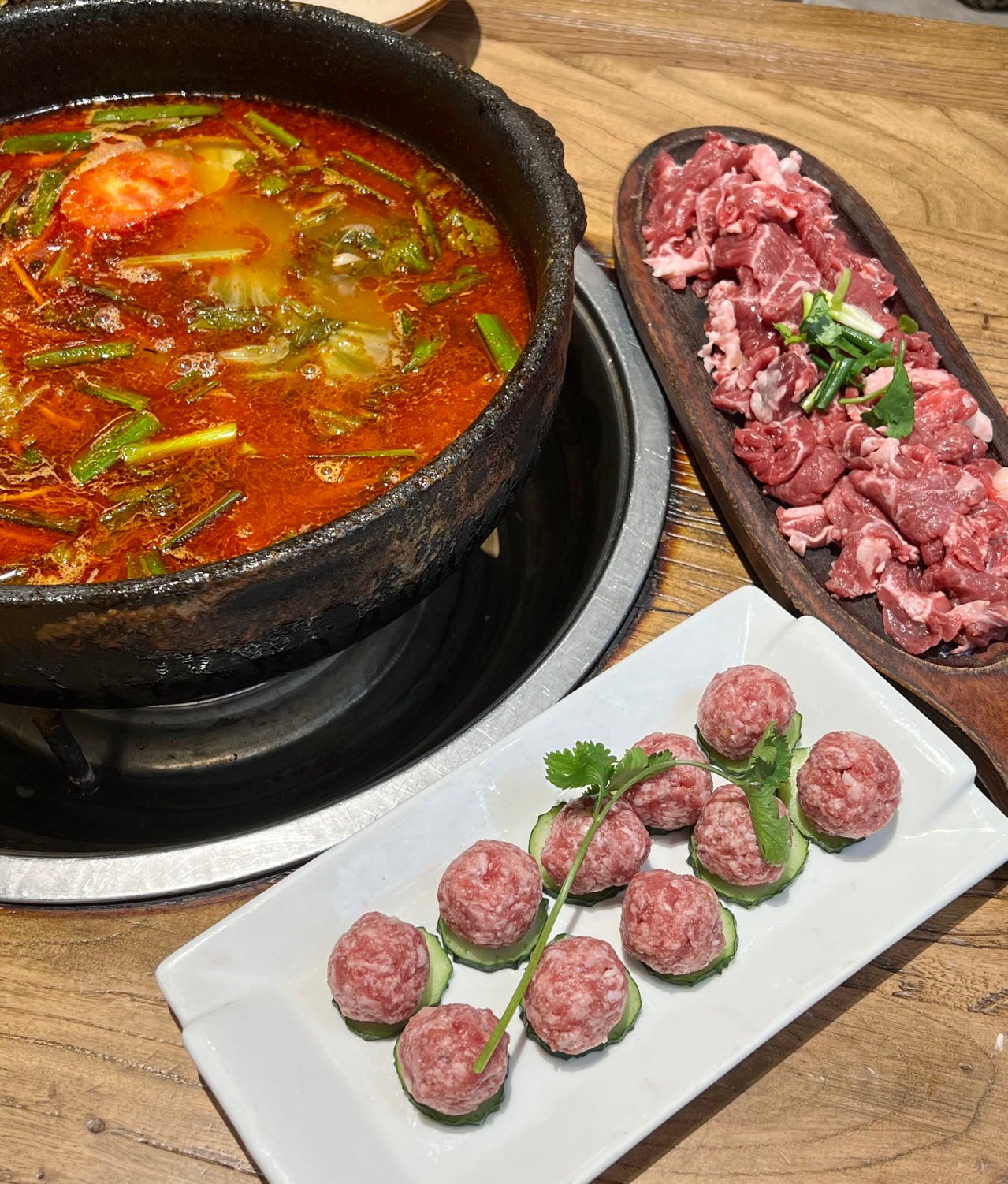
Guizhou sour soup fish is a Miao hotpot of freshwater fish poached in suantang, a broth soured by fermenting rice water or tomatoes and chilli, and it is the defining dish of Kaili and Qiandongnan. The tang is lactic acid rather than vinegar, which is why it tastes round instead of sharp.
A proper pot is assembled in front of you. The broth boils first, the fish goes in whole or thick-sliced, and the first ten minutes belong to soup and fish alone — no rice, no dip, no vegetables crowding the surface.
Two ingredients do most of the aromatic work. 木姜子, the fruit of Litsea cubeba, gives a resinous lemon note regulars identify blind (Wikipedia, accessed October 2026), while 糟辣椒, salted fermented chilli, supplies the savoury heat behind the sour.
| Sour soup | Fermented from | Time | Taste | Where you meet it |
|---|---|---|---|---|
| 红酸汤 (red) | Small tomatoes, red chilli, salt, rice wine | 5–6 months sealed, then milled and rested about half a month | Thick, sweet-sour, mildly hot | The default base for fish in Kaili |
| 白酸汤 (white) | Rice water with a ladle of old soup as starter | 5–6 days at 30–35°C | Clear, gently sour, faintly rice-sweet | Home kitchens, sour soup beef |
| 虾酸 (shrimp) | Small river shrimp, salt, rice wine | About a year, then chilli and fermented rice, another six months | Pungent, deep savoury, less sour | Dushan in neighbouring Qiannan |
How red sour soup is fermented at home
- Wash small, thick-skinned tomatoes — the local 毛辣果 — and dry them completely; water in the jar invites mould.
- Chop red chilli, mix with salt and rice wine, and pack it into a glazed jar without a trace of oil.
- Seal the jar and leave it in a cool, dark corner for five to six months, the interval the national heritage listing gives for Kaili’s technique (China Intangible Cultural Heritage database, project VIII-279, 2021).
- Mill the softened mash, return it to the jar, and rest it half a month more so the acid settles.
- Keep a ladle of the finished batch to start the next one; the culture, not the recipe, is what a family inherits.
Why does fermentation, rather than salt, define Qiandongnan cooking?
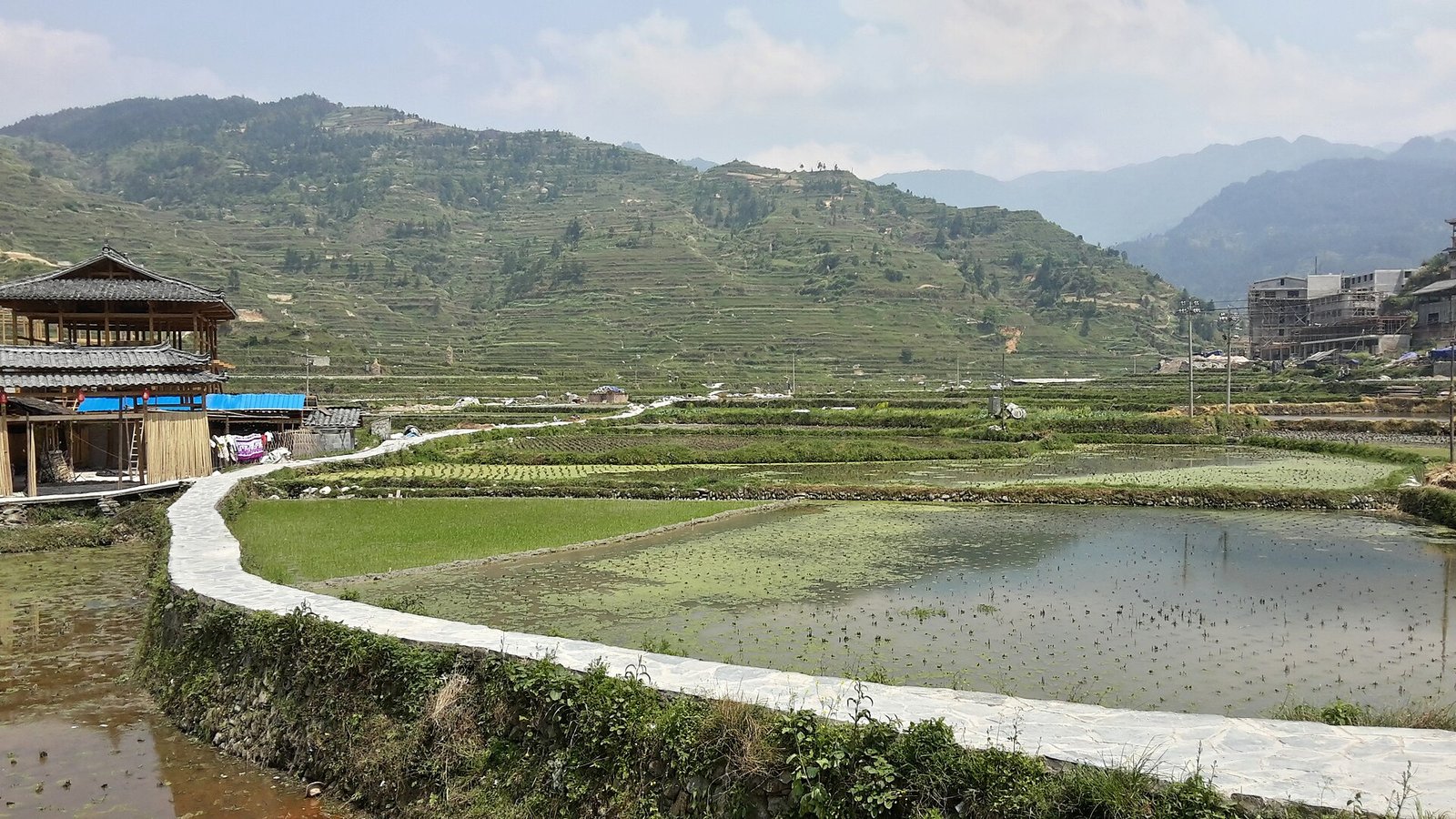
Fermentation replaced salt in Qiandongnan because Guizhou has no salt of its own and mountain roads made the imported article expensive, so households soured rice water and vegetables instead and called the habit 以酸代盐, acid in place of salt (Xinhua Guizhou, 23 July 2024).
The result is a cuisine built on keeping: the jar on the bench is a living larder that also tenderises river fish and cuts the fat of pork.
Lactic acid bacteria dominate red sour soup fermentation, and a 2022 study in Food Research International counted 70 volatile compounds in the finished broth, with esters, terpenes and alcohols carrying the aroma (Lin et al., Food Research International 155, 2022).
Fermentation is also the local economy. Kaili red sour soup has held national geographical indication status since 2013, and the prefecture’s sour soup output was worth about 2.54 billion yuan in 2024, sold through 1,600-plus restaurants in 62 cities (China Daily, 22 January 2025).
Where do you buy sour soup in Kaili?
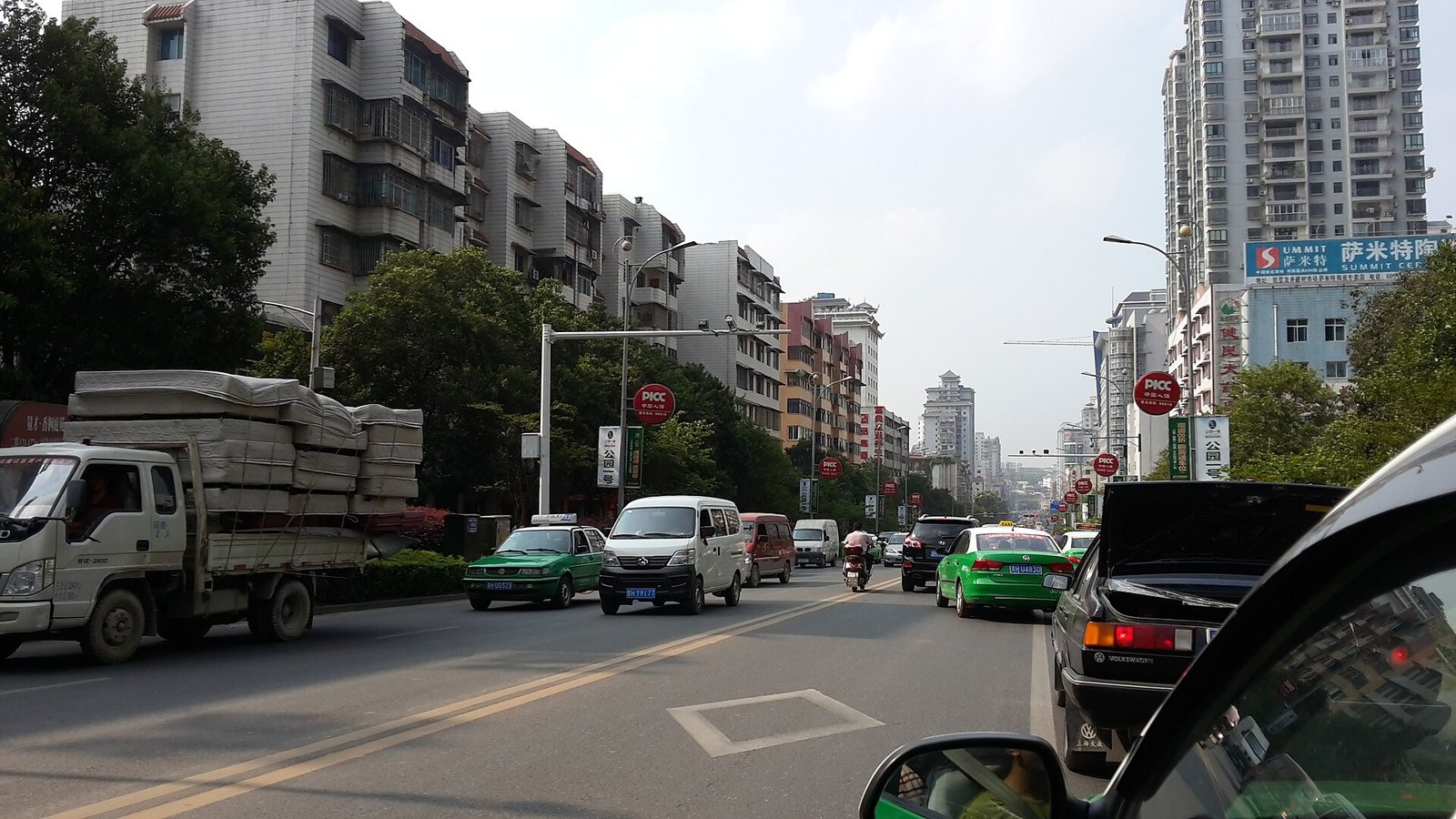
Sour soup is sold by the litre in Kaili’s morning markets and in the old lanes off the main street, where vendors ladle it from glazed jars into bottles and tubs for people who cook it at home every week.
Buy the red concentrate rather than a finished broth: a half-litre bottle serves four, survives a suitcase, and 木姜子油 and 糟辣椒 from the same stall are worth the weight.
White sour soup is the one to leave behind: a live culture that keeps fermenting, sharper by the airport and unlikely to survive a long flight. Drink it in Kaili and carry the red jar home.
Kaili South sits on the Shanghai–Kunming high-speed line (Wikipedia, accessed October 2026), forty minutes from Guiyang North, while Longdongbao airport is around three hours away by road. Most travellers come by train and spend the saved hours eating; our guide to exploring Guizhou’s villages covers the lanes and terraces around the city.
What does a sour soup fish dinner look like at a family table?
A family sour soup fish dinner follows one pot and a strict order: broth first, then fish, then vegetables, then rice scraped into whatever is left. The table stays small — one basin, one dip, a plate of greens, cold rice.
The dip is where each household signs its name: 蘸水 mixes chilli flakes, garlic, coriander, fermented bean curd and a ladle of the pot itself (CCTV, 9 November 2005), and 折耳根 is added by anyone who grew up within a hundred kilometres.
Fish is now blanched to order rather than simmered through, so the flesh stays firm and the broth clear — a switch the same source describes two decades ago. Vinegar never appears.
| On the table | What it is | How to eat it |
|---|---|---|
| Fish | Rice-paddy carp or catfish | Lift out, dip, then sip the broth |
| 蘸水 | Chilli, garlic, coriander, bean curd, broth | Spoon over the fish; never tip it into the pot |
| 木姜子油 | Litsea oil, green and resinous | Two or three drops; more tastes medicinal |
| Tofu, cabbage, sprouts | Cold-weather vegetables | Added once the fish is gone |
| Rice | Plain, cooked firm | Stirred into the reduced soup at the end |
| 折耳根 | Fish mint root, served raw | Optional; tastes like a riverbank |
Guizhou food for beginners: can you eat sour soup fish without chilli?
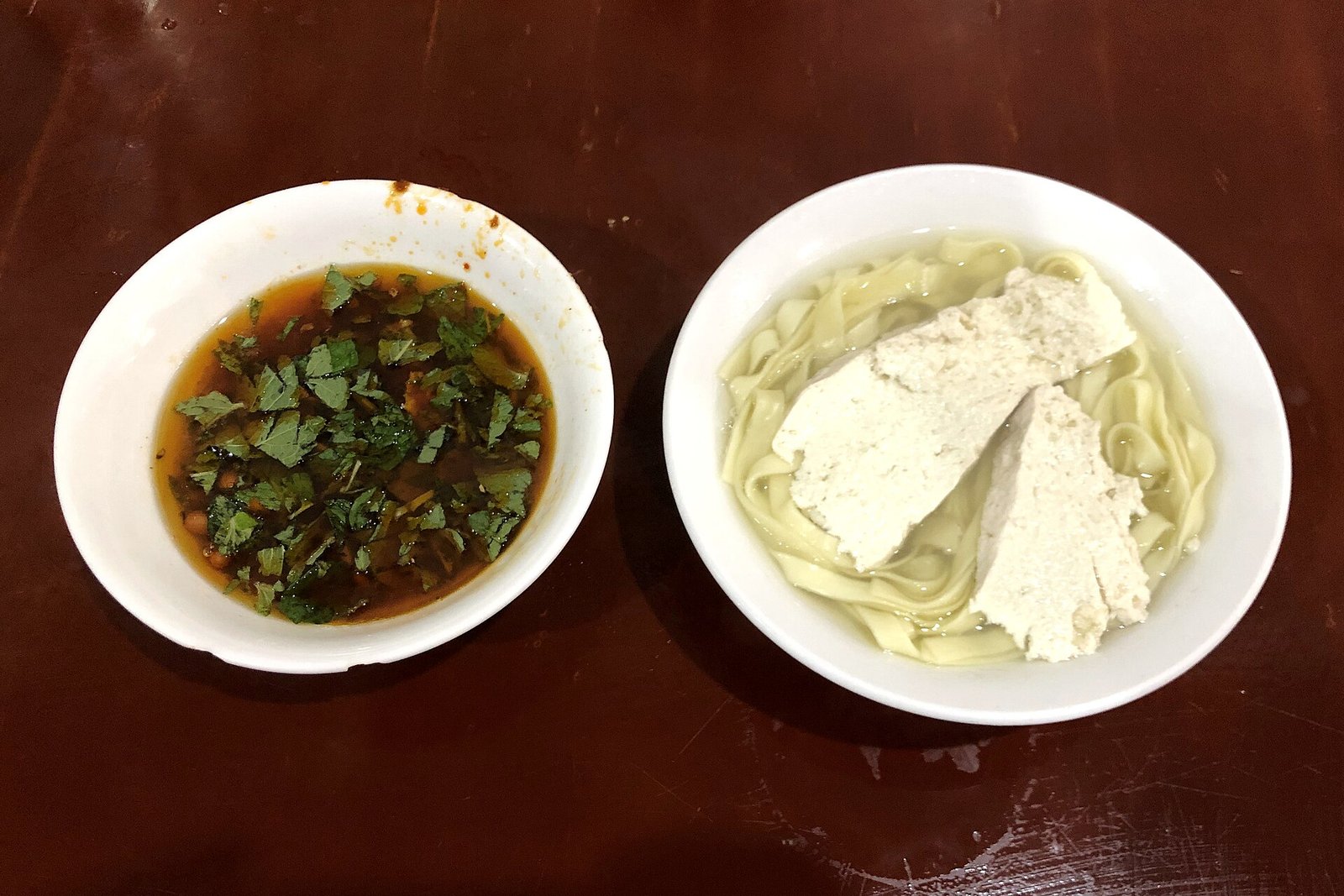
Sour soup fish can be eaten with very little chilli if you choose a white sour soup base and ask for the dipping sauce on the side, because the heat lives in the 蘸水 and the red broth rather than in the fish itself.
White sour soup is gently sour and barely hot; red is the one that bites. Asking for 白酸汤锅底 and 蘸水单独放 turns the same meal into something a child can eat, and no Kaili kitchen finds the request strange.
| Say this | Pinyin | What it gets you |
|---|---|---|
| 白酸汤锅底 | bái suāntāng guōdǐ | Mild, clear sour soup base |
| 不要辣椒 | bú yào làjiāo | No chilli at all |
| 微辣 | wēi là | Mildly hot, the lowest setting cooks respect |
| 蘸水单独放 | zhànshuǐ dāndú fàng | Dip served in a separate bowl |
| 不要折耳根 | bú yào zhé’ěrgēn | No fish mint |
| 一碗米饭 | yì wǎn mǐfàn | A bowl of rice to buffer the acid |
Give your stomach a day. Sour soup is acidic and arrives with more chilli than visitors expect, so make the first meal a white-soup lunch rather than a red-soup feast at midnight.
One warning: 折耳根 tastes of raw riverbank to most first-timers and hides in dips across the province. If you dislike it, say so early.
Practical tips for eating sour soup fish
- Order by weight. Fish is priced per 500 grams; two people need about one jin.
- Book at 17:30. Sour soup season opens in late October and Kaili’s famous rooms fill before seven.
- Ask for the jar, not the sachet. Kitchens that ferment their own will say so, and the first spoonful shows it.
- Add vegetables late. Cabbage and tofu drink the broth; add them once the fish is finished.
- Do not drink the last inch. The bottom of the pot is salt, chilli and acid in concentration; locals fold rice into it instead.
Is Guizhou sour soup fish worth planning a trip around?

Yes: Guizhou sour soup fish still tastes of the place that made it, and autumn is when the pot comes into its own, with the terrace rice cut and the jars opened for the cold months.
Give it two meals — one red, one white — and you will understand why a province without salt built its table around a jar. Tell us in the comments which one you preferred.
For the rest of the region, read our piece on Tongren’s Miao festival culture and historical legacy, browse China’s minority cultures and festivals, or plan a night in Xijiang, where a thousand Miao households light up at dusk.
Frequently asked questions
What is sour soup fish made of?
Sour soup fish is made of freshwater fish — usually rice-paddy carp or catfish — poached in a fermented broth of tomatoes, red chilli, salt and rice wine, with litsea fruit, ginger and mint for aroma. Nothing is soured with vinegar; the acidity comes from lacto-fermentation over five to six months.
Is Guizhou sour soup fish very spicy?
Guizhou sour soup fish is only moderately spicy made with red sour soup, and barely spicy with the white version. The heat sits in the fermented chilli and the dipping sauce, so asking for the 蘸水 on the side removes most of it.
Where can I eat sour soup fish in Kaili?
Kaili’s old street and the lanes around the morning markets hold the longest-running sour soup rooms, and any restaurant with jars stacked by the door ferments its own. Ask whether the base is red or white, and expect the fish to be weighed at the table.
Can I take Guizhou sour soup home?
You can take red sour soup home: it is a finished, shelf-stable concentrate that survives checked luggage in a sealed bottle. White sour soup is a live culture that keeps fermenting, so drink it in Kaili instead.
Why is the soup sour without any vinegar?
The soup is sour without vinegar because lactic acid bacteria convert sugars in rice water, tomatoes and chilli into acid during fermentation, the process recorded in Kaili’s heritage listing. That is why it reads as round rather than sharp.