
# Planning the Trip to China: A Silk Road Journey Through History
Are you dreaming of embarking on an epic adventure through China’s ancient trade routes? Planning the trip to China, especially along the historic Silk Road, offers an unforgettable blend of cultural immersion, stunning landscapes, and rich history. This journey isn’t just about seeing new places; it’s about tracing the footsteps of ancient merchants who connected East and West. At jusha.travel, we’re passionate about helping travelers like you discover the wonders of China, from its bustling cities to its remote oases. Whether you’re a history buff, a culture enthusiast, or simply curious about China cultural tours, this guide will provide a comprehensive China Silk Road itinerary, packed with practical tips and insights to make your trip seamless and memorable.
The Silk Road, as detailed on Wikipedia, was a vast network of routes that facilitated trade and cultural exchange from the 2nd century BCE to the 15th century. Today, planning the trip to China along these paths means exploring a Silk Road travel guide that highlights historical China routes. We’ll dive into key aspects of this journey, ensuring you feel prepared and excited for the road ahead.
## Mapping the Historical Routes

The Silk Road wasn’t a single path but a web of interconnected routes that linked China to the world, fostering the exchange of goods, ideas, and cultures. When planning the trip to China, understanding these historical China routes is essential for crafting a meaningful China Silk Road itinerary. Starting from the ancient capital of Xi’an (formerly Chang’an), the Northern Route winds through the Gansu province, skirting the Taklamakan Desert and leading to Central Asia. This path, as explored in detail on Silk Road Travel’s map resources, was crucial for transporting silk, spices, and even technologies like papermaking westward.
Meanwhile, the Southern Route, often called the Karakoram Route, ventures through rugged mountains into Pakistan and beyond, offering breathtaking vistas and a glimpse into the Silk Road’s enduring legacy. For those interested in a more detailed Silk Road travel guide, the Central Route hugs the Tianshan Mountains, passing through oases like Turpan and Kashgar. These routes not only facilitated economic trade but also sparked cultural fusions, such as the spread of Buddhism from India to China.
Imagine standing in Xi’an, where the famous Terracotta Warriors guard the starting point of your adventure. According to China Discovery’s ultimate planner, mapping your route involves considering modern transportation like high-speed trains and flights, which make these ancient paths accessible today. A key tip for planning the trip to China: use interactive tools like the UNESCO Silk Road Interactive Map to visualize your journey and avoid unexpected detours. This section of your trip will immerse you in the stories of merchants who traveled these routes, exchanging not just goods but ideas that shaped civilizations.
## Key Destinations on China’s Silk Road

Diving deeper into your China Silk Road itinerary, the real magic lies in the destinations that bring historical China routes to life. These spots are perfect for China cultural tours, offering a mix of ancient sites, vibrant markets, and local traditions that reflect the Silk Road’s diverse heritage. As you plan your trip to China, prioritize places like Xi’an, the gateway to the Silk Road, where you can explore the UNESCO-listed Terracotta Army and walk along the ancient city walls.
Further west, Dunhuang stands out with its mesmerizing Mogao Caves, a treasure trove of Buddhist art that illustrates the cultural exchanges along these routes, as highlighted in China Odyssey Tours’ guide. Don’t miss the chance to camel trek on the Mingsha Sand Dunes at sunset – it’s a photographer’s dream and a nod to the desert caravans of old. Then there’s Turpan, an oasis city famous for its innovative Karez underground irrigation system, a testament to ancient engineering that supported life in harsh conditions.
Urumqi and Kashgar add layers of ethnic diversity to your journey. In Kashgar, wander through the bustling Sunday Bazaar, where Uyghur traders sell spices, textiles, and handmade crafts, echoing the market scenes of centuries past. For a well-rounded Silk Road travel guide, extend your itinerary to include Zhangye’s rainbow-hued Danxia landforms or Jiayuguan, the western end of the Great Wall. These sites not only showcase China’s natural beauty but also provide opportunities to engage with local customs, like sampling Uyghur laghman noodles or learning about Islamic influences in the region. When planning the trip to China, remember that these destinations offer more than sights; they provide stories that connect you to the past, making your cultural tour truly enriching.
## Itinerary Planning: Routes, Duration, and Practical Tips

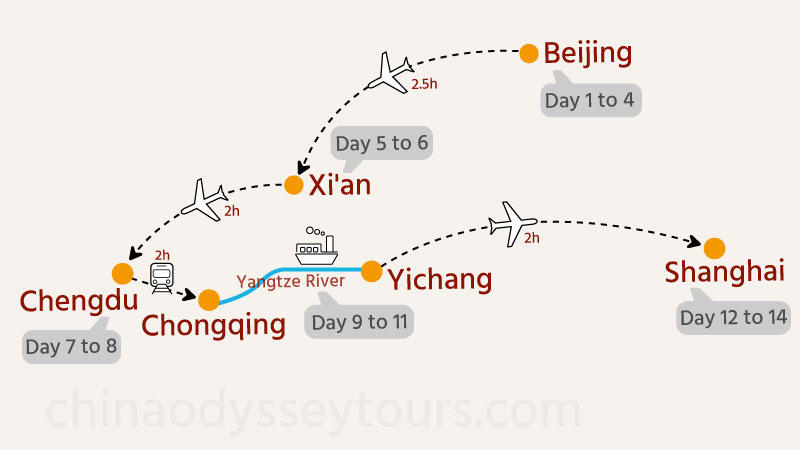
Now that we’ve covered the routes and highlights, let’s get practical with your China Silk Road itinerary. Planning the trip to China requires balancing history, adventure, and logistics, so whether you’re aiming for a quick overview or an in-depth exploration, this Silk Road travel guide has you covered. Start by deciding on your duration: a 5–6 day trip could focus on Xi’an and Dunhuang, giving you a taste of the essentials, while a 2-week itinerary allows for a full traverse from Xi’an to Kashgar, incorporating high-speed trains and domestic flights for efficiency.
For instance, a sample 2-week plan might look like this: Begin in Xi’an for 2 days, then head to Lanzhou and Zhangye via train (about 4–5 hours each), spend a day marveling at the Danxia landscapes, and continue to Dunhuang for the caves. From there, fly to Urumqi and drive to Kashgar for the final leg. As per China Discovery’s planner, the best time to travel is from May to October, avoiding the intense summer heat that can reach extremes in the desert areas.
Practical tips are crucial for a smooth journey. Pack for varying climates – sunscreen and hats for the dunes, layers for mountain passes – and stay hydrated, especially in arid regions. When it comes to China cultural tours, respect local etiquette: in Muslim-majority areas like Kashgar, dress modestly and try local foods like hand-pulled noodles or roasted lamb kebabs. Health-wise, opt for bottled water and reputable eateries to avoid issues. Technology plays a role too; download offline maps and translation apps, as English isn’t widespread. By weaving in these elements, your historical China routes adventure will be safe, enjoyable, and full of authentic experiences.
# Conclusion
As we wrap up this exploration of planning the trip to China along the Silk Road, remember that this journey is more than travel – it’s a bridge to the past, connecting you to the vibrant tapestry of cultures, foods, and innovations that defined an era. From mapping ancient routes to immersing in key destinations and crafting a personalized itinerary, you’ll gain insights that inspire a deeper appreciation for China’s heritage. At jusha.travel, we love sharing tips to make your China journey unforgettable, so whether you’re planning your first China Silk Road itinerary or seeking more Silk Road travel guide resources, we’ve got you covered.
We hope this post has sparked your wanderlust! Share your own Silk Road stories in the comments below, visit jusha.travel for more in-depth articles on China cultural tours and historical China routes, or explore our related guides to start planning your next adventure. Safe travels!
