


Chaoshan Beef Hotpot: A Ritual of Cut, Broth and Timing
At eleven in the morning the shutters of a Shantou beef shop rattle up and a man carries a carcass in on a steel hook, still warm. By two o’clock the same animal is on thirty plates, each labelled with a name and a number of seconds.
Chaoshan beef hotpot is a clear-broth beef hotpot from the Chaoshan region of eastern Guangdong, built on beef slaughtered that morning, hand-cut into a dozen named parts, and dipped for six to twelve seconds. Shantou, the region’s largest city, is where the ritual is most concentrated. Nothing about it is spicy; everything is timed.
At jusha.travel, we love sharing tips that turn a good meal into a reason to book a train. Here is what to order, how many seconds each plate needs, and how to reach Shantou without losing a morning.
What is Chaoshan beef hotpot, exactly?
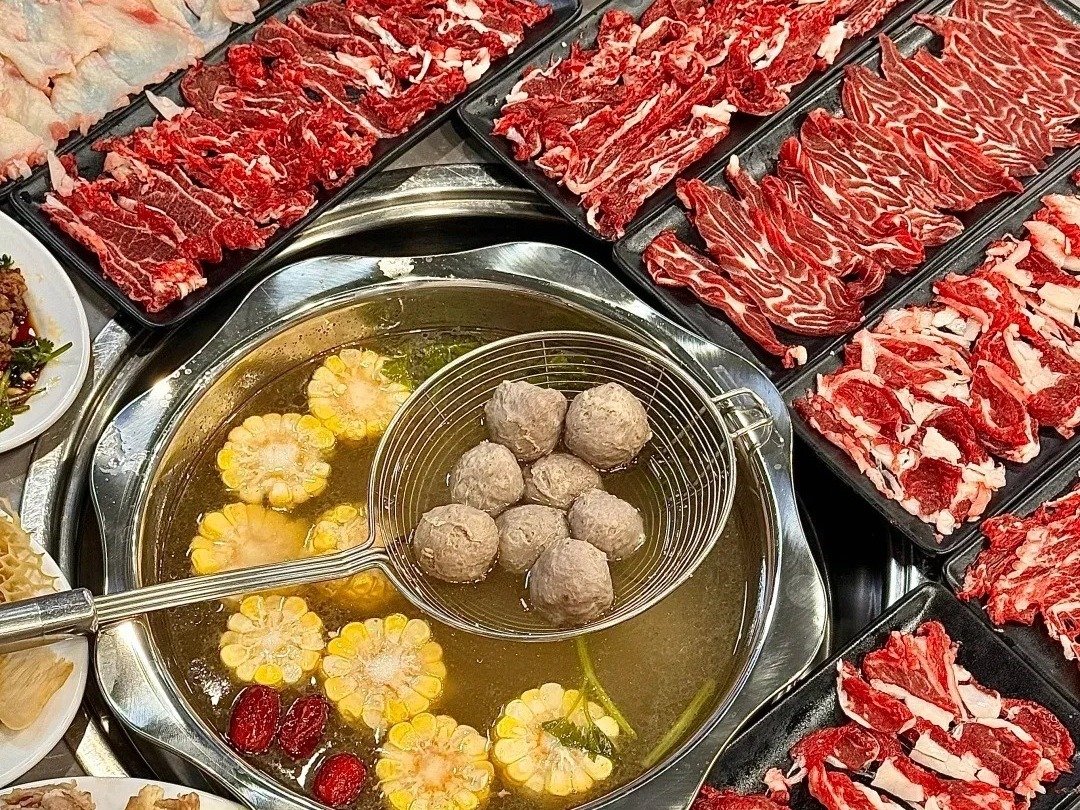
Chaoshan beef hotpot is a clear-stock hotpot in which paper-thin slices of just-slaughtered beef are dipped for seconds rather than boiled, so the broth stays clean and the meat keeps its sweetness.
The pot arrives with beef-bone stock, white radish and sweet corn, and nothing else — no chilli oil, no spice paste. Some kitchens simmer the bones for eight hours and skim the fat the whole time, which is why the liquid looks like weak tea and tastes much older. Shantou lists the technique as municipal intangible cultural heritage.
Scale explains the confidence: China now has more than 100,000 Chaoshan beef hotpot outlets and an annual output value close to 50 billion yuan, according to Nanfang Plus (21 February 2026).
Why must the beef reach the table within four hours?
Chaoshan kitchens work to a four-hour rule: the animal is slaughtered before dawn, butchered, and driven to the shop so the last slice is cut within roughly four hours of death, before stiffness sets in.
Farmer’s Daily (7 August 2026) calls that window the first of the dish’s three keys, alongside knife work and a broth designed not to interfere. Guangzhou Daily (4 June 2026) describes how Shantou turned a city that raises almost no cattle into the beef hotpot capital by building a time-compression chain of pasture, abattoir, central kitchen and daily cold-chain delivery.
Only a third to two-fifths of an animal is tender enough for the pot; the rest becomes beef balls and stock. Locals test freshness by tilting the plate to ninety degrees to see whether the slices cling.
Which cuts should you order first?
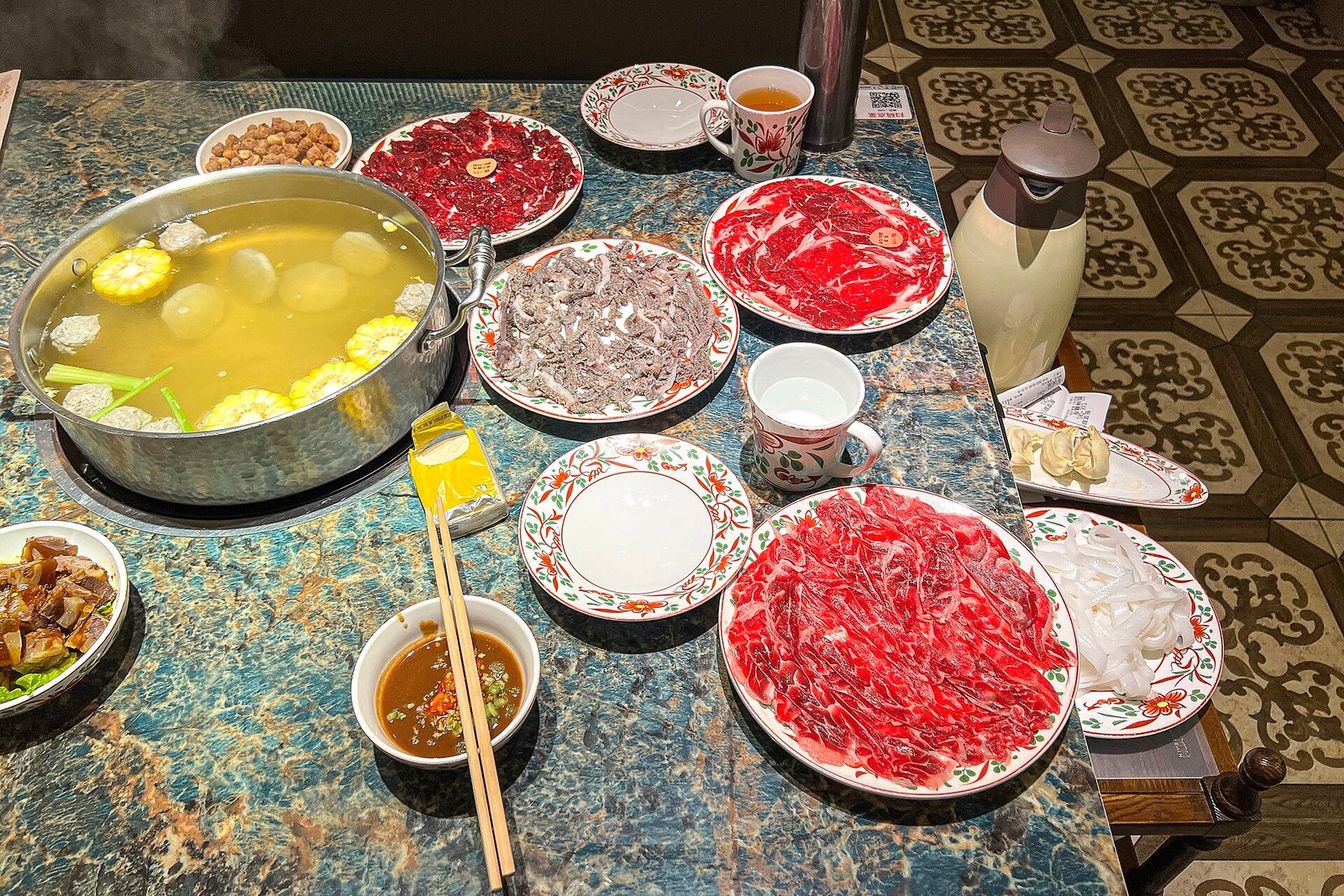
The menu is an anatomy lesson, because a single animal yields more than a dozen separately named cuts, each priced, sliced and timed on its own terms, so first-timers should anchor the order with three reliable plates.
| Cut | Where it comes from | Texture | Seconds |
|---|---|---|---|
| Diaolong 吊龍 | Strip along the spine | Soft, one seam of fat | 8–10 |
| Chibing 匙柄 | Shoulder, central tendon | Silky with a snap | 8–10 |
| Wuhuazhi 五花趾 | Hind shank tendon | Crunchy, streaked white | 10–12 |
| Boren 脖仁 | Neck, the marbled one | Richest, almost buttery | 6–8 |
| Nenrou 嫩肉 | Rump, lean | Clean and sweet | 8–10 |
| Xiongkoulao 胸口朥 | Brisket fat | Crisp, not greasy | 120–300 |
Start lean and finish fat: diaolong first, then chibing and wuhuazhi, with xiongkoulao last. Plates run roughly 28 to 48 yuan, and beef balls about 3 yuan apiece at cheaper shops. Two people eat well for 150 to 200 yuan.
How long should each cut stay in the broth?
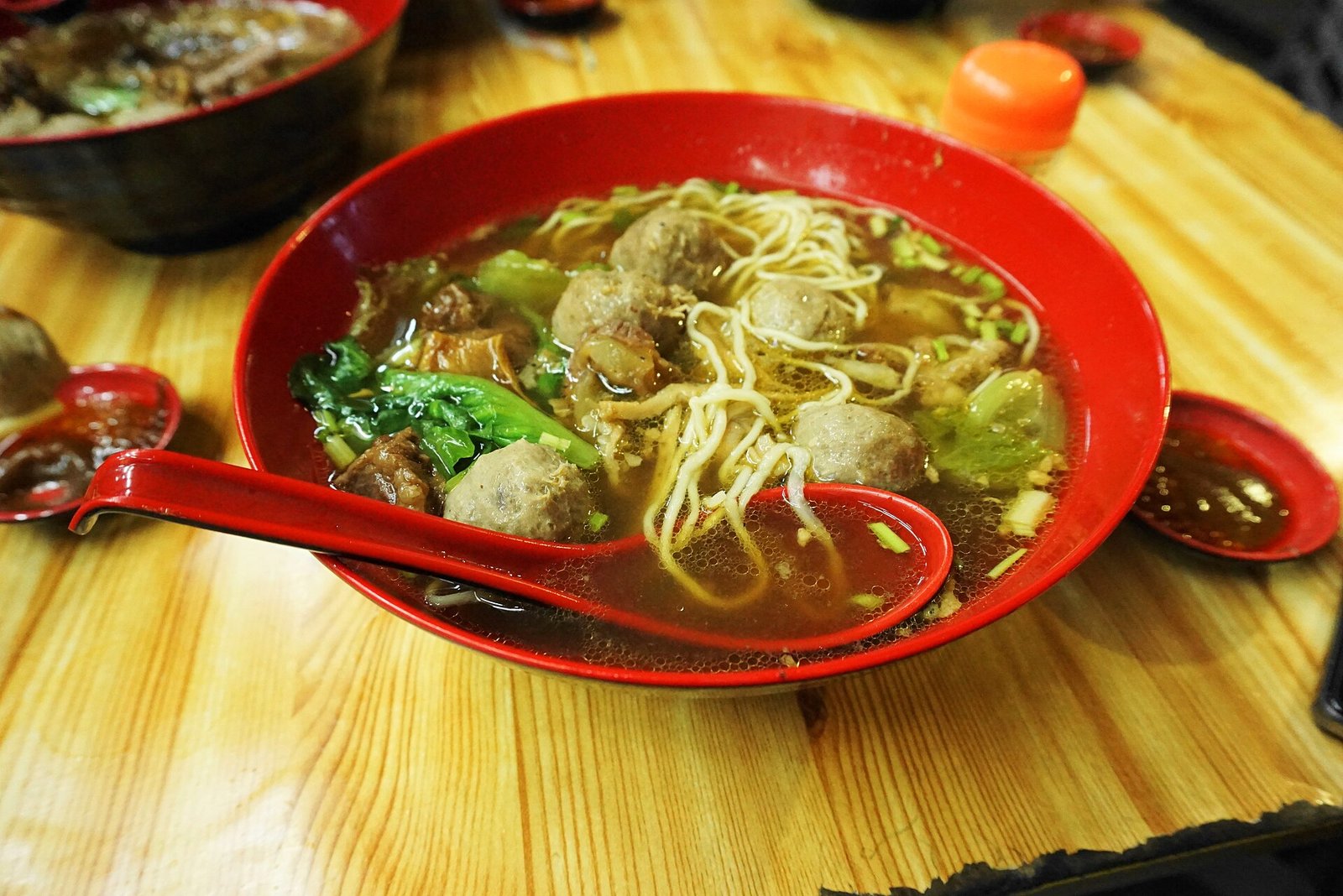
The twelve-second margin is the craft, and Shantou cooks teach it as three lifts and three dips — lowering a small batch in a wire strainer, lifting, and repeating until the meat turns from red to pink.
- Bring the pot to a boil, then lower the heat until the surface only trembles; a rolling boil tightens the fibres.
- Load a few slices into the strainer, never the whole plate, so the broth does not drop in temperature.
- Lower, lift, lower, lift, lower — three immersions, about eight seconds for diaolong.
- Pull the meat when the last red patch turns pink. Grey means you have lost it.
- Ladle a bowl of broth with chopped celery before the fat goes in.
Guangdong’s disease-control authority has warned that very brief dipping carries a brucellosis risk with undercooked beef (Farmer’s Daily, 7 August 2026). Eat where the stock is visibly boiling, and skip the two-second stunt from social video.
What does shacha sauce actually do?
Shacha sauce is a thick brown condiment of ground peanut, dried shrimp, dried flounder and warm spice that gives Chaoshan beef a second, sweeter layer, and it arrived by sea rather than by recipe.
Teochew traders brought satay home from Southeast Asia, and the name came with it: shacha is the Teochew pronunciation of satay. People’s Daily’s food desk traces how local cooks cut the chilli, added dried seafood and five-spice, and fried the paste in oil so it would keep on a long voyage.
Mix it thin: two spoons of shacha, chopped celery, a little garlic, and Puning bean paste if you want salt instead of sweetness. Skip the sesame paste and chilli oil — a dipping bar offering oyster sauce is a bar built for tourists.
Where should you eat it in Shantou?
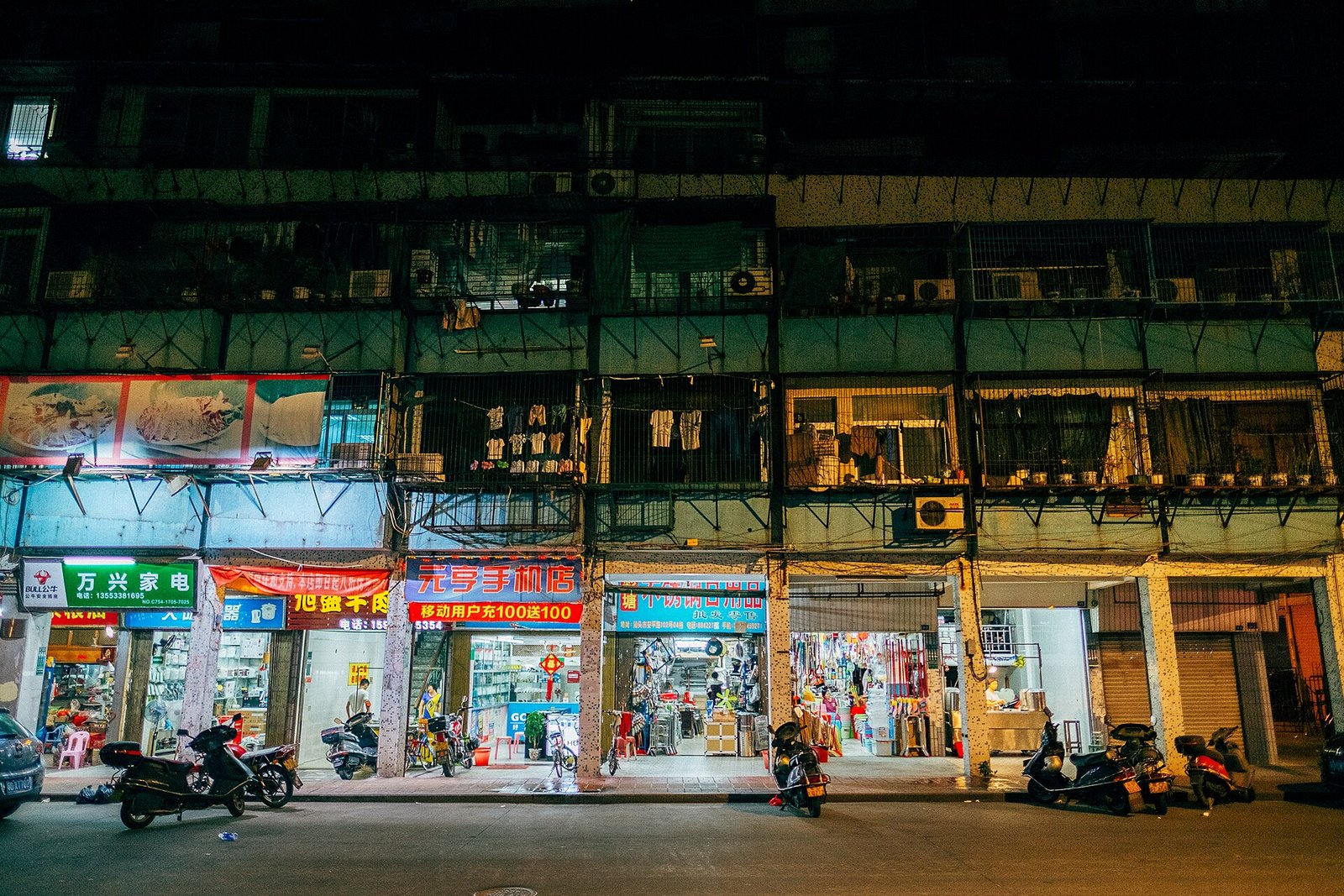
Shantou’s best beef shops cluster in the old Jinping district and along the roads north of the harbour, and the honest ranking is less about fame than about how close the kitchen sits to an abattoir.
| Shop | Area | Per person | Why go |
|---|---|---|---|
| Baheli Haiji 八合里海記 | Jinping, old town | 80–120 CNY | The benchmark; steady quality |
| Xinghua Wuji 杏花吳記 | Xinghua West Road | 100–150 CNY | Own abattoir; two hours to table |
| Fuhecheng 福合埕 | Fuping Road | 80–100 CNY | Sixty-year-old shop; beef balls |
| Caishe Beef City 蔡社牛肉城 | Longhu district | 50–60 CNY | Cheapest, roomy, rarely a queue |
Prices are indicative and move with the cattle market; ranges come from local food-media reviews published in 2026. None of these shops takes reservations — you take a numbered ticket and wait.
How do you get to Shantou?
Shantou sits on the coastal high-speed line, and the station that confuses almost every visitor is Chaoshan Station, which sounds central but stands 32 km away in Chaozhou and serves all three Chaoshan cities.
| Route | Time | Note |
|---|---|---|
| Shenzhen North → Shantou | 2 h 21 min | Direct G-trains, several daily |
| Guangzhou South → Shantou | 2 h 50 min–3 h 05 min | Second class 222.5 CNY |
| Jieyang airport → Shantou | 42–46 min | Airport bus 30 CNY, 70 min |
| Chaoshan Station → Shantou | 40–50 min | 32 km by road |
Shantou Station is the one you want for the old town. Chaoshan Station remains useful if you are flying: it is eight kilometres from Jieyang Chaoshan International Airport. Rail times are the 2026 timetable published by Nanfang Plus (8 April 2026); distances from a Chaozhou Municipal Government reply.
When should you go, and what else is worth eating?
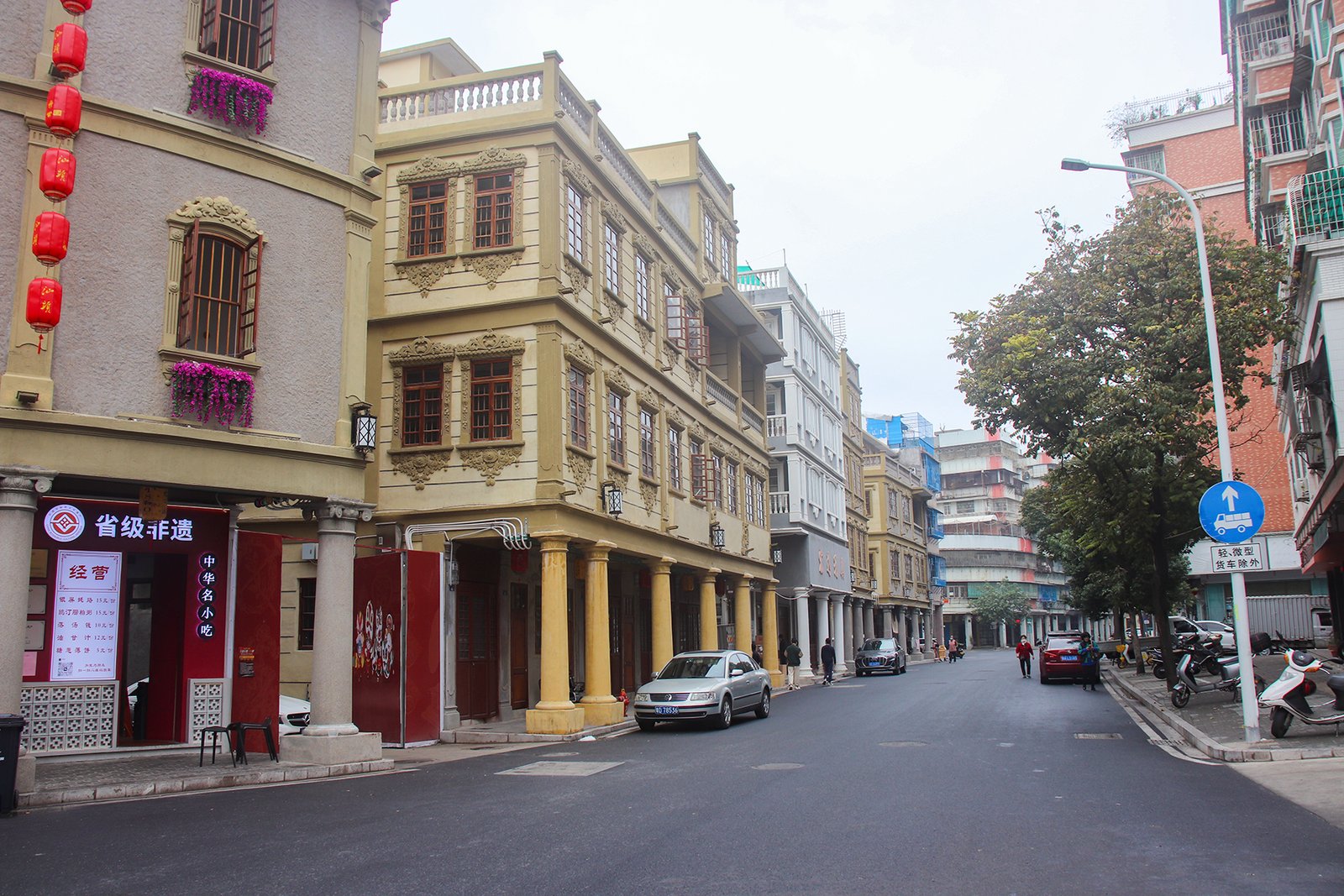
November is the best month for a Shantou beef trip, because average daytime highs of 25°C and monthly rainfall of 43 mm make walking between meals pleasant and cool evenings make a bubbling pot welcome.
China’s 1991–2020 normals put the November mean at 21.1°C, with lows near 17.9°C and 4.4 rain days. Early November 2026 has run warmer, at 28–31°C by day, so pack for late summer.
The city is a full eating day. Order beef balls in soup at lunch, then work through oyster omelette, braised goose and kway teow fried with beef and shacha. Raw-marinated seafood is the local passion and the local risk; try it where turnover is fast. Heading west afterwards, our guide to why Guangzhou’s food scene is a global melting pot and our dim sum day-trip plan pick up where Shantou leaves off.
Practical tips for your first beef hotpot
- Two people, six plates. Four beef cuts, one beef-ball plate, one vegetable, one kway teow.
- Photograph the plate map. Most shops print the cut name and its seconds on the rim.
- Keep the pot at a tremble. If it is rolling, turn it down — you are poaching, not boiling.
- Never dump a whole plate in. Eight seconds becomes forty when the broth cools.
- Finish with noodles. Kway teow into the exhausted broth, a spoon of shacha, thirty seconds.
- Carry tissues and expect no English. Point at the plate on the next table.
One broth, one evening, one reason to come back
Chaoshan beef hotpot is the rare famous dish that rewards attention rather than appetite. Learn six cuts and three timings and the meal reorganises itself around you: the broth stays clear, the beef stays sweet, and the last bowl of noodles tastes like the point of the trip.
Go in November, take the train to Shantou Station rather than Chaoshan, and eat early. Our guide to Chongqing hotpot shows the opposite end of the same obsession, and our story of Lanzhou’s beef noodles explains what the rest of China does with the same animal. Tell us in the comments which cut you would order twice.
Frequently asked questions
How much does Chaoshan beef hotpot cost per person?
Expect 50 to 60 CNY per person at a neighbourhood shop such as Caishe Beef City, 80 to 120 CNY at Baheli Haiji or Fuhecheng, and 100 to 150 CNY at Xinghua Wuji, as of November 2026.
Do I need to book a table in advance?
No. Shantou beef shops do not take reservations; you take a numbered ticket and wait. Arrive before 11:00 for lunch or around 16:30 for the second daily delivery, when waits drop sharply.
Should I take the train to Shantou Station or Chaoshan Station?
Take Shantou Station for the old town and the beef shops, since it sits in the city and is 2 h 21 min from Shenzhen North. Chaoshan Station is in Chaozhou, 32 km from Shantou, and suits airport connections eight kilometres away.
Is beef cooked for eight seconds safe to eat?
Only in licensed shops with visibly boiling stock, and even then Guangdong’s CDC warns that very brief dipping carries a brucellosis risk. Ask for ten to twelve seconds, still pink inside and considerably safer than the two-second videos online.
Can non-beef eaters enjoy a Chaoshan hotpot meal?
Partly. The broth is beef bone, so vegetarians will not get a clean pot, but Shantou serves excellent oyster omelette, braised goose, kway teow and seafood. Most groups order one beef pot and share side dishes around it.
What is the best month to visit Shantou for beef hotpot?
November, when daytime highs average 25°C, rainfall falls to 43 mm and evenings are cool enough for a bubbling pot. Summer is hot and humid, with highs near 33°C from July to September.