


Robot Restaurants in China: Dinner Served by Machines
A server robot called Xiao Zhi glides to your table, says “enjoy your meal” and leaves. Behind the glass, a mechanical arm has just scrubbed its own wok. Robot restaurants in China are no longer prototypes: a human-robot hall has run in Shenzhen since 1 May 2026, charging 116 yuan a set meal, while the China Hotel Association puts automatic-wok use at 30 percent of fast-food kitchens, as Securities Daily reported on 27 October 2026.
One is theatre you can book; the other is a quiet change in the restaurant near your hotel. Below: how a robot restaurant in China works, what it costs, and how to reserve.
What is a robot restaurant in China, exactly?
A robot restaurant in China is a dining room where cooking, carrying or serving is done by machines, while people handle prep, loading and breakdowns. The label covers three different businesses, and knowing which one you book is most of the planning.
| Format | What the robot does | Typical price | Where |
|---|---|---|---|
| Showpiece hall | Greets, stir-fries, carries, serves | 116 yuan set meal | Shenzhen |
| Robot noodle shop | Forms dough, boils, tops, delivers | 16–19 yuan a bowl | Beijing |
| Wok-robot chain | Stir-fries one station | Fast-food prices | Nationwide |
Confusing the three ruins afternoons. A delivery robot carrying a plate changes nothing about the food; a wok robot changes the food and nothing about the room.
Where can travellers eat in a robot restaurant?
Travellers can eat in a robot restaurant most easily in Shenzhen’s Bantian area, where the world’s first robot 6S store opened a human-robot dining hall on 1 May 2026, inside a robot block built under Longgang district’s 2025–2027 embodied-AI plan.
The restaurant is called Wall-E and EVA. A dozen or so robots split the work: humanoid greeters at the door, one named Fangfang, who dances on request; a robotic chef at the wok; wheeled carriers in the corridor; and Xiao Zhi, who covers the last two metres to your table.
As of the May 2026 opening a set meal cost 116 yuan, capped at 80 portions a day and sold by reservation only. The menu ran short: stir-fried pork, sweet-and-sour pork, ribs, vegetables.
How the kitchen actually works
The kitchen is a five-step relay, and only one step is genuinely automated.
- Book, then order. Reservations open online, with sittings towards 11:00 and 17:30; walk-ins go away once the 80 sets are gone.
- A human preps. A cook portions ingredients and parks each tray in a fixed position, the part machines still do worst.
- An arm stir-fries. Oil goes in, then the toss. Sweet-sauce ribs took a little over two minutes, timed to the second; the arm then brushed and washed the wok.
- Wheels take over. A wheeled robot collects the plate at the window and follows a corridor out.
- A robot presents. Xiao Zhi lifts the dish and sets it down with a scripted greeting.
CNR reporters who ate there on 13 May 2026 found crowds at the glass and a British visitor, Shell, coining the line of the season: “because a robot made it, it tastes especially good.”
Getting there from Hong Kong
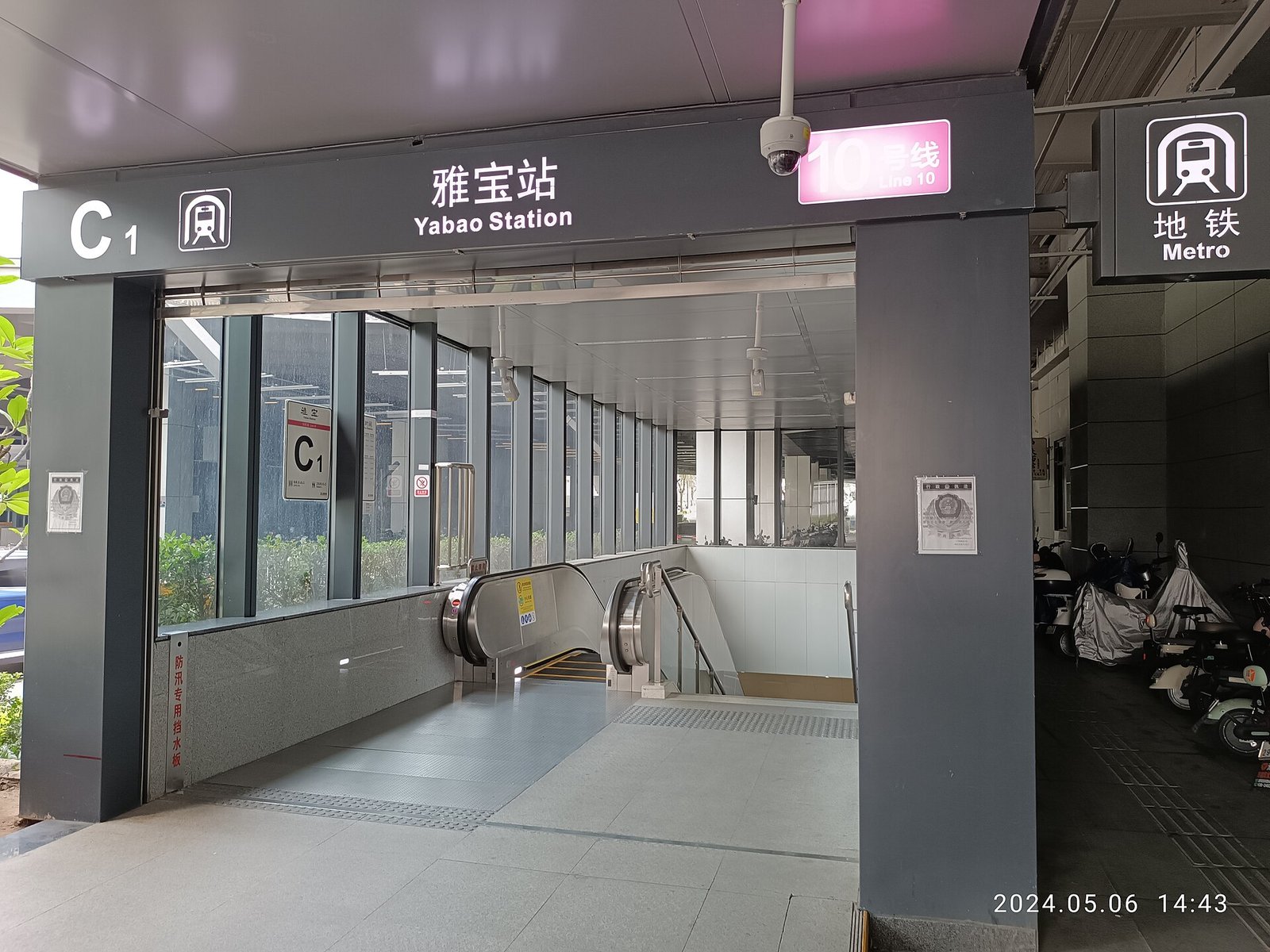
Yabao station on Metro Line 10 is the closest stop, with Exit B or C a short walk from the GALAXY WORLD complex at 1 Yabao Road. Line 10 begins at Futian Checkpoint, so one crossing and one train get you there in about 35 minutes. The store is free; for the evening after, our guide to Shenzhen after dark covers the rest.
The wok robots you will never notice
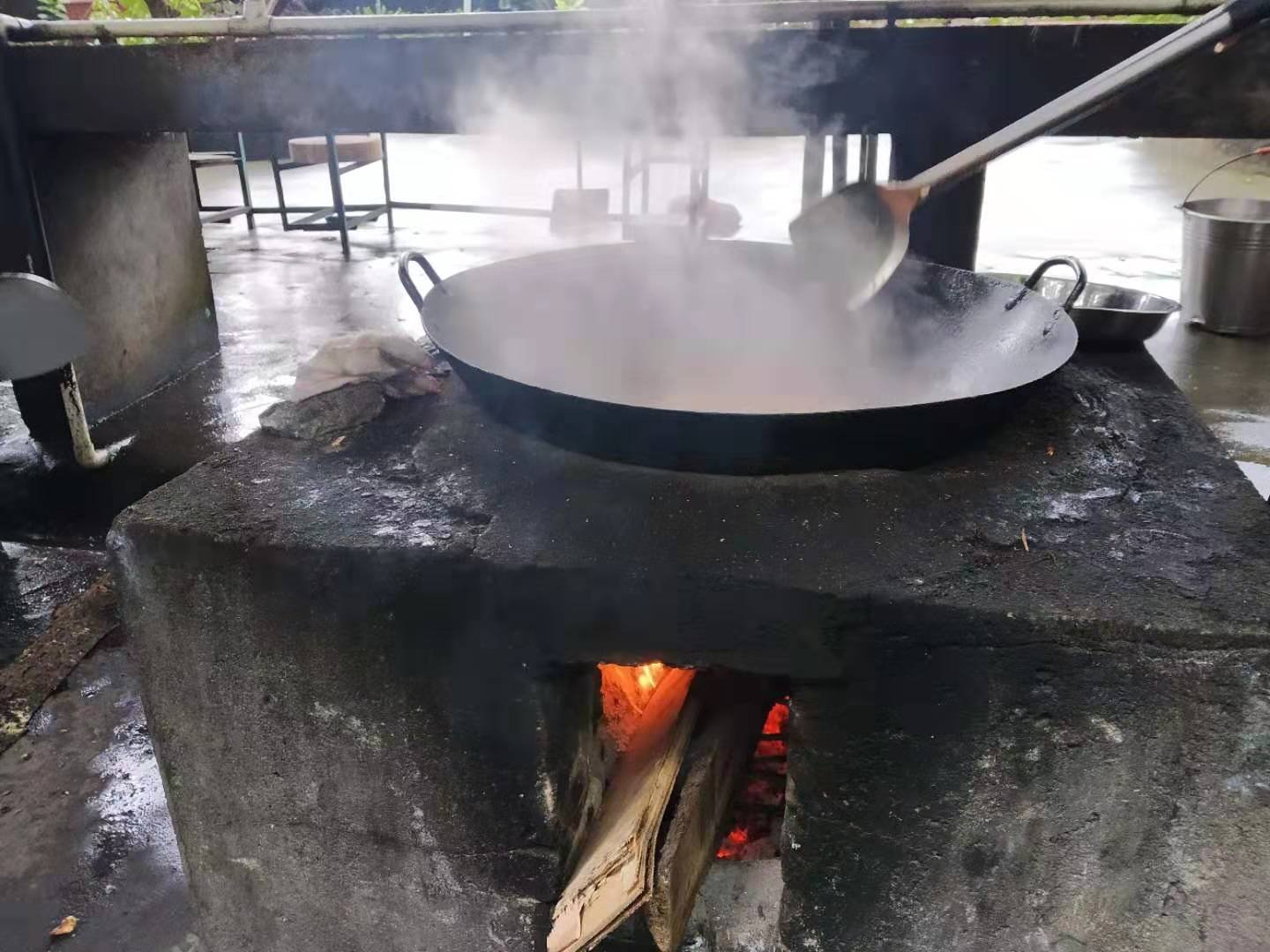
Most robot cooking in China happens out of sight, where an automatic wok replaces one station in a chain kitchen rather than the whole room. The China Hotel Association puts wok-robot penetration in Chinese fast-food and mass-market dining at 30 percent, cited by CCTV Finance in October 2026.
Xianglu Robot fits each machine with two 40-megapixel cameras running at 30 frames per second, judging how far meat has thawed and when a sauce caramelises. Sales grew above 200 percent for January to September 2026, and the company says its woks run in 13,000 stores.
The economics explain the spread. Shenzhen chain Leifan grew from 200 outlets to 1,000 with robots at the wok, two machines turning out 600 to 700 dishes a day. A robot does not resign or vary the salt by mood, which is what a chain buys.
Robot noodle shops: 16 yuan and three minutes
Robot noodle shops are the cheapest way to watch the technology work; Beijing’s first fully commercial example began trial business on 14 August 2026. Yujian Weilai sits at 11 Haiying Road in Fengtai Science Park, with an open kitchen that shows every stage.
Water and flour go in; a disc of dough emerges in about 15 seconds; the noodles drop into a boiling bath for two minutes; a gantry carries the bowl to a station that adds broth, beef and herbs; a delivery robot finishes the trip. Qianlong reported on 7 August 2026 that the whole run takes a little over three minutes.
Three bowls were listed: mushroom zhajiang at 16 yuan, tomato beef brisket at 19, braised beef at 19. That is canteen pricing, built for the office lunch queue rather than visitors with cameras.
UFO delivery and the older showpieces
Not every robot restaurant in China cooks with robots; some only move the plates. Orbit One in Futian’s IN City Plaza sends food along an overhead track in levitating discs, each pulled by a carriage underneath, slowing as it reaches the right table. Expect 60 to 150 yuan a head, five minutes’ walk from Science Museum station on Line 6.
The format has history. Qianxi’s FOODOM flagship opened in Guangzhou in January 2020 with 46 kinds of robot and Shunde dishes arriving on ceiling rails. Early flagships were showcases as much as businesses, so call ahead.
Is robot-cooked food actually good?
Robot-cooked food in China is consistent rather than inspired: seasoning lands within a gram, timing within a second, and the result rarely dips below decent. The machine cannot taste, so a hotter batch of chillies still gets the same spoon of salt.
At the Shenzhen hall, diners told reporters the stir-fries tasted “about the same as a person’s”, which is both the compliment and the limit. Wok hei, the smoky edge of a screaming-hot pan, is hard to reproduce at scale: a robot reaches the temperature, but the judgement came from a chef writing the recipe months earlier.
Precision flatters soup, not stir-fries. If the machine leaves you craving a hand at the wok, Chaoshan beef hotpot is the antidote.
Robot restaurant vs human restaurant: what you pay for
A robot restaurant in China rarely undercuts a good human one at the top end and never matches it on range. What you are buying is predictability, speed and, at the showpiece venues, a spectacle you cannot get at home.
| Showpiece robot hall | Robot noodle shop | Traditional restaurant | |
|---|---|---|---|
| Cost per head | 116 yuan set meal | 16–19 yuan a bowl | Typically 50–150 yuan |
| Time to food | Fixed sittings, 2 min a dish | About 3 minutes | 10–30 minutes |
| Consistency | Very high | Very high | Varies by cook |
| Menu range | 4–8 dishes | Three bowls | 50+ dishes |
| Staff you meet | Greeter, server robot | Counter only | Full table service |
| Best for | One memorable meal | A cheap, fast lunch | A long dinner |
What disappears when the waiter is a machine
What disappears first in a robot restaurant in China is not the chef but the runner, the job of carrying a covered plate forty metres. Kitchens keep prep cooks, because no machine in service peels garlic at speed, plus one person to load trays.
New roles appear alongside. The same October 2026 reporting quotes predictions of demand for intelligent cooking engineers and digital recipe designers, the people who turn a chef’s hand into parameters a machine can repeat.
For visitors, the framing is simpler: showpiece rooms are technology demonstrations with food attached, and the staff know it. Stay for the discovery that the pork ribs were, genuinely, fine.
Practical tips for visiting a robot restaurant in China
- Book, do not turn up. The Shenzhen hall runs fixed sittings and caps portions at 80 a day; reserve the day before.
- Go at lunch, with your passport. November to February is Shenzhen’s business season and weekday queues beat weekend ones; the passport is the ID used for hotel check-in and reservations.
- Ask what is automated. If a venue advertises delivery robots only, you are paying for a train set, not a kitchen.
- Confirm it is still trading. Formats here turn over fast; a 2020 flagship can be a 2026 memory.
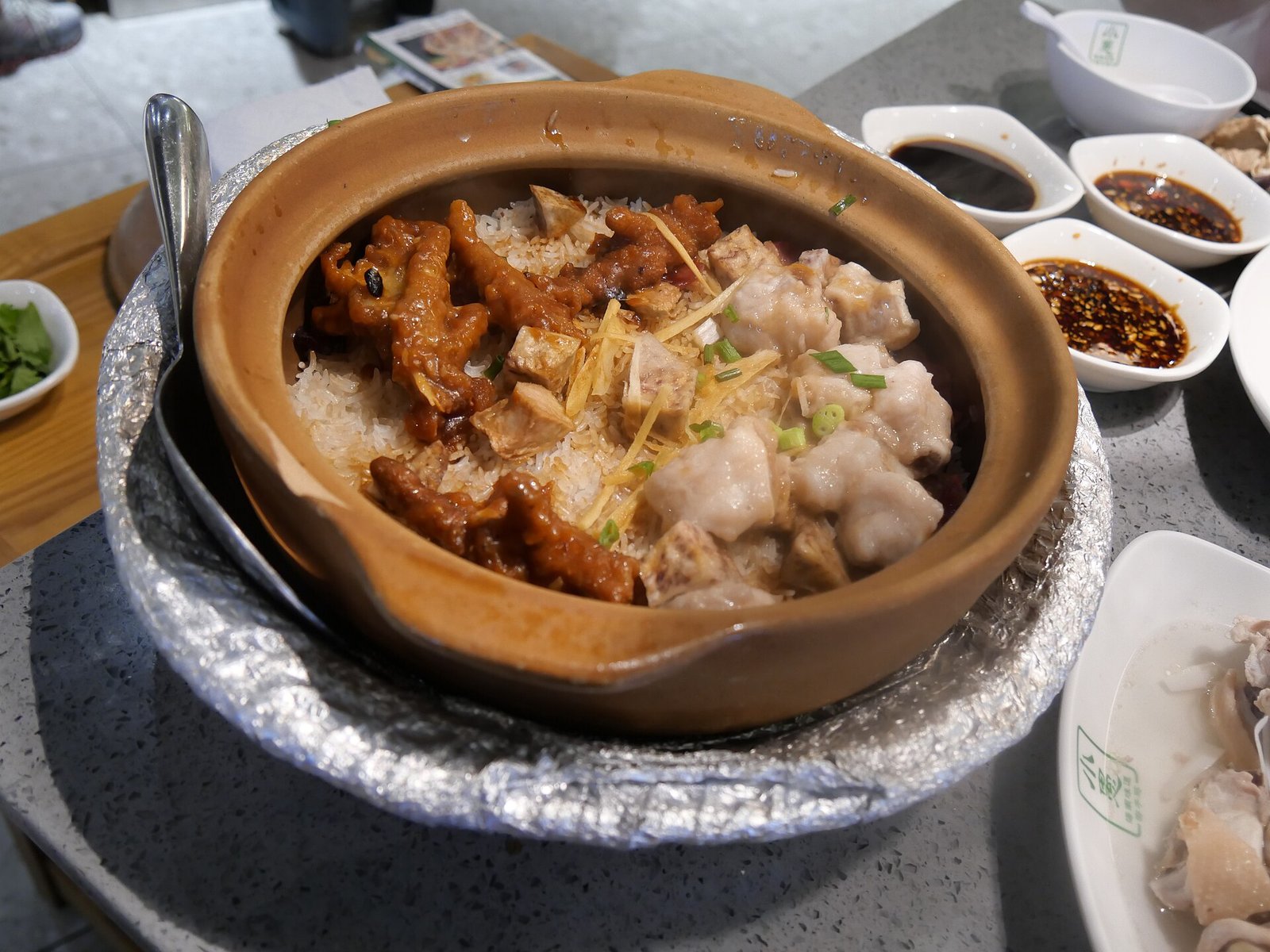
- Pair it with something human. A robot lunch and a winter claypot rice dinner the same day makes the comparison obvious.
Final thoughts
The interesting thing about a robot restaurant in China is not the robot but the speed at which a novelty becomes infrastructure: a hall that made the news in May 2026 is already one option among thousands of automated kitchens.
Go while the servers still bow. Then take the metro a few stops, order noodles from a machine for 19 yuan, and notice that nobody is filming. That silence is the story, in the same city where drone delivery drops lunch from the sky and a streamer’s Shenzhen run turned the tech circuit into a tourist route.
Frequently asked questions
Frequently asked questions
Do you need to book a robot restaurant in China?
Yes for the showpiece venues. Shenzhen’s Wall-E and EVA takes reservations only, caps service at 80 set meals a day and seats guests in fixed sittings around 11:00 and 17:30, so walk-ins usually fail at weekends.
How much does a robot restaurant meal cost in China?
Expect 116 yuan (about US$16) for a set meal at Shenzhen’s robot dining hall, 16 to 19 yuan for robot-made noodles in Beijing, and roughly 60 to 150 yuan per person at Shenzhen’s UFO-delivery restaurant.
Is the food cooked by robots or only carried by them?
It depends on the venue. Kitchen robots at Shenzhen’s hall stir-fry dishes and wash the wok, while delivery robots only carry plates, and many places labelled robot restaurants automate transport alone.
Which metro station is closest to Shenzhen’s robot restaurant?
Yabao station on Line 10, Exit B or C, puts you at the GALAXY WORLD complex in Bantian, Longgang district. Line 10 starts at Futian Checkpoint, so the trip from the Hong Kong border takes about 35 minutes with no changes.
Can you visit a robot restaurant without eating?
Yes at the robot 6S store, which is free to enter and generally open 09:00 to 18:00, with bookable guided tours of 30 to 60 minutes. The dining hall itself requires a reservation.