


Caohai Lake: Wintering Cranes in Guizhou’s Highlands
The first Caohai Lake cranes step out of the stubble in early November, grey-white shapes in the mist while Weining county is still asleep. Caohai is a shallow freshwater lake 2,171.7 metres up in Bijie prefecture, western Guizhou, and every winter it holds China’s densest gathering of black-necked cranes — a record 2,898 birds in the 2025–26 season, according to China Daily (16 January 2026).
That number explains the five-hour seated train to a county with no high-speed rail. Below: the season, the open viewpoints, and how to arrive without a tour. At jusha.travel, we love sharing tips that make awkward places manageable, so transport and etiquette are spelled out in full.
What is Caohai Lake, and why do cranes winter there?
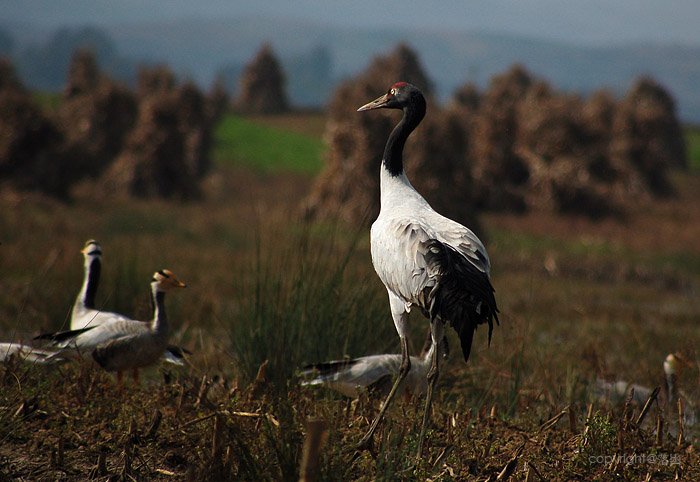
Caohai Lake is a shallow plateau freshwater lake at 2,171.7 metres in Weining Yi, Hui and Miao Autonomous County in western Guizhou, and it forms the core of a 96-square-kilometre national nature reserve protected since 1992 (Xinhua, 15 October 2021).
The water covers about 25 square kilometres, averages two metres deep and rarely freezes solid — the detail that matters to a crane in January. The reserve now lists 285 bird species, or 18.94% of every bird recorded in China (Guizhou Provincial Department of Agriculture, 3 March 2026).
The lake was drained in the early 1970s to grow grain and refilled behind a new dam in 1982; only then did the cranes return in numbers. A restoration programme begun in 2015 pushed the wintering population back above 2,000.
How many Caohai Lake cranes are there this winter?
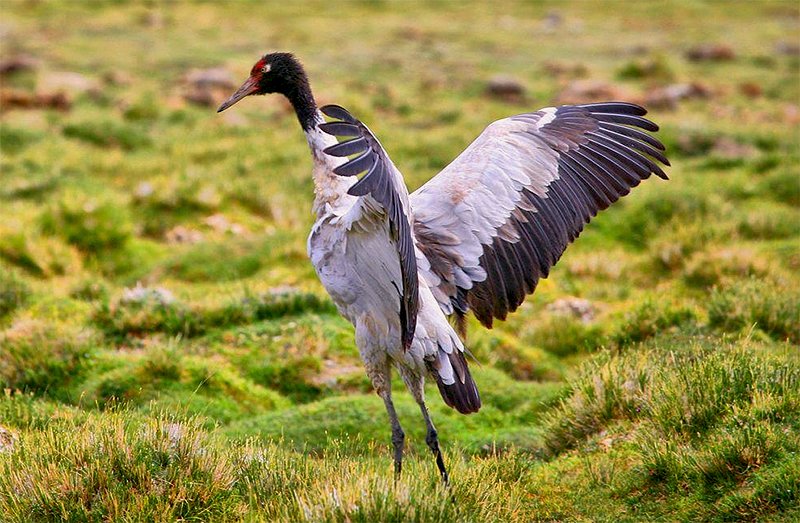
Caohai Lake cranes reached a record 2,898 black-necked cranes in the 2025–26 winter, up from roughly 700–800 birds around 2010, and the count recorded here has risen in almost every season since rangers began systematic monitoring in the reserve itself.
| Species or measure | Latest count | Source and date |
|---|---|---|
| Black-necked crane | 2,898 (record) | China Daily, 16 Jan 2026 |
| Black-necked crane | 2,842 (early Jan) | People’s Daily, 14 Jan 2026 |
| Grey crane | 918 | People’s Daily Guizhou, 9 Jan 2026 |
| Bar-headed goose | 6,000+ | People’s Daily Guizhou, 9 Jan 2026 |
| Coot | 10,000+ | People’s Daily Guizhou, 9 Jan 2026 |
| All wintering waterbirds | 40,000+ | Bijie government, 16 Nov 2026 |
| Bird species on reserve list | 285 | Guizhou Bird Society, 3 Mar 2026 |
Rangers counting Caohai Lake cranes report many more “families of four” than in earlier winters, a sign of good breeding upstream. The birds dig for plant roots and take snails and small fish; in hard frost the rangers break ice and feed them.
The black-necked crane is the only crane that both breeds and winters at high altitude, which is why one shallow lake matters so much. China gives it first-class protection, and the IUCN Red List classes it as Vulnerable.
When should you go to see Caohai Lake cranes?
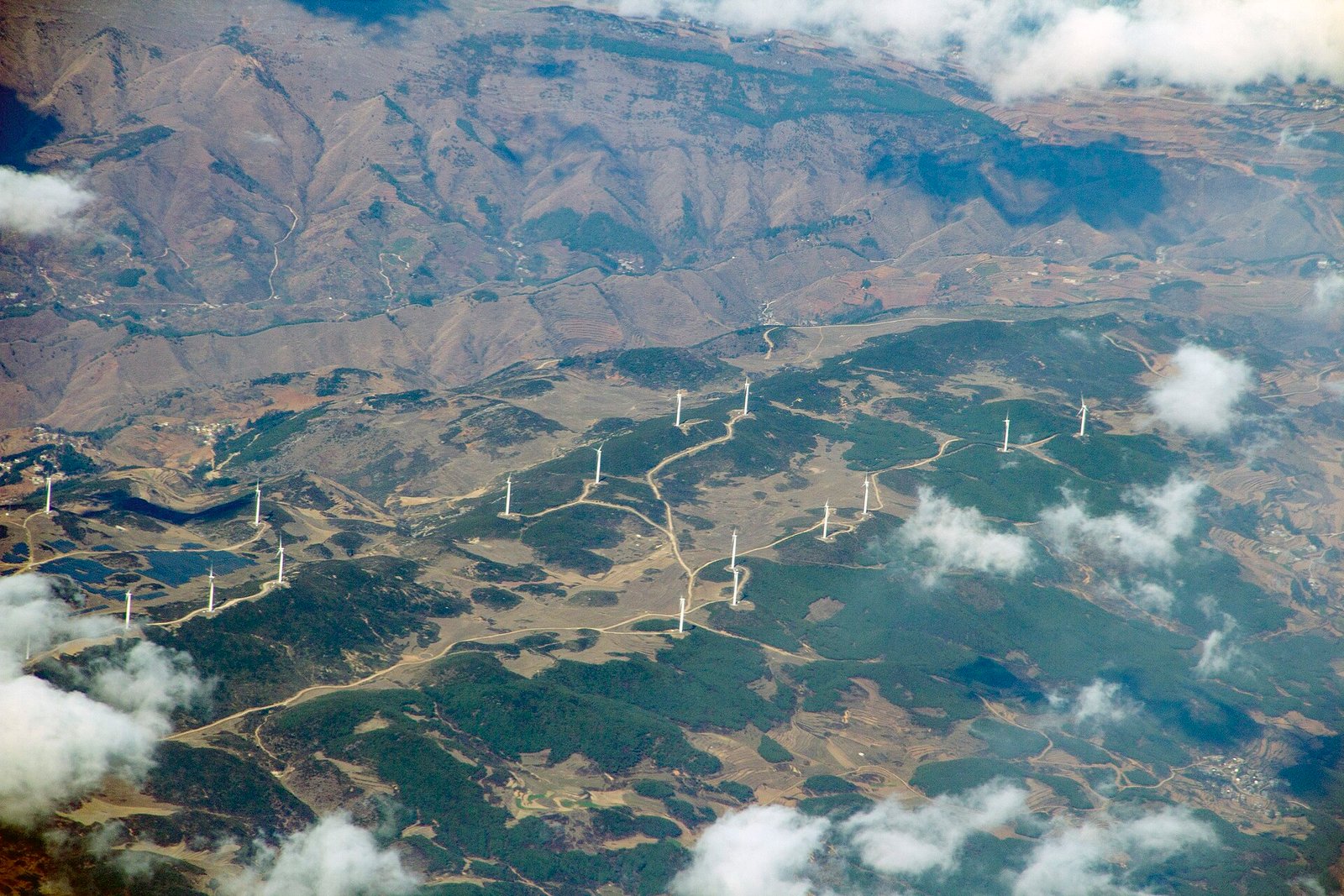
Late November to February is the strongest window for Caohai Lake cranes: arrivals continue through November, numbers peak between December and February, and the birds form up and fly north again in March, so late November gives you plenty of birds and no crowds.
| Period | What you will see | How busy it feels |
|---|---|---|
| Early November | First arrivals, scattered pairs, mostly in fields | Very quiet |
| Late November | Most birds in, dawn lift-offs from the roost | Quiet |
| December to February | Peak numbers; snow days photograph best | Busiest at weekends |
| March | Flocks circling, practising for the flight north | Quiet again |
The 2026–27 season opens with a birdwatching festival at Beipo Ecological Park on 28 November 2026 running to March 2027 with guided walks, a reed-land art installation and food stalls (Bijie municipal government, 16 November 2026). Xinhua’s photo set from the reserve previews a January dawn (Guangming Online, 2 February 2026).
Within any day, timing beats dates. Caohai Lake cranes leave the roost in the first two hours after sunrise to feed in the fields and drift back before sunset. Midday is for noodles and thawing out.
Where do you stand to watch Caohai Lake cranes?
Five viewpoints for watching Caohai Lake cranes are open to visitors, and each of them suits a different kind of birdwatcher: Wenjiatun for dawn lift-offs, Huyelin for species variety, Liujiaxiang for roadside access, Jiangjiawan for sunsets and Beipo Park for an easy boardwalk.
| Viewpoint | Why go | Getting there |
|---|---|---|
| Wenjiatun and Wangjia Shuijing | Farmland feeding edge where cranes lift off from the night roost; the corner CCTV films from | West shore, short taxi ride |
| Huyelin and Liujiaxiang | Largest roost and the reedbeds with the widest species mix | South shore, 10–15 km; Liujiaxiang sits on the G326 |
| Yangguan Shan | Quiet north-shore marsh, good for geese and grey cranes | Beside Yinlong Xinfu town |
| Jiangjiawan pier | Sunset silhouettes over open water | 5 km from town; bridge has a capacity limit in peak season |
| Beipo Ecological Park | Raised boardwalk and a whole-lake view; easiest for families | Walkable from the town centre |
Photographers chasing Caohai Lake cranes cluster at Wenjiatun and Huyelin before first light. Everyone else is better off at Beipo, where the boardwalk is flat and the birds keep their distance.
How do you get to Caohai Lake without a tour?
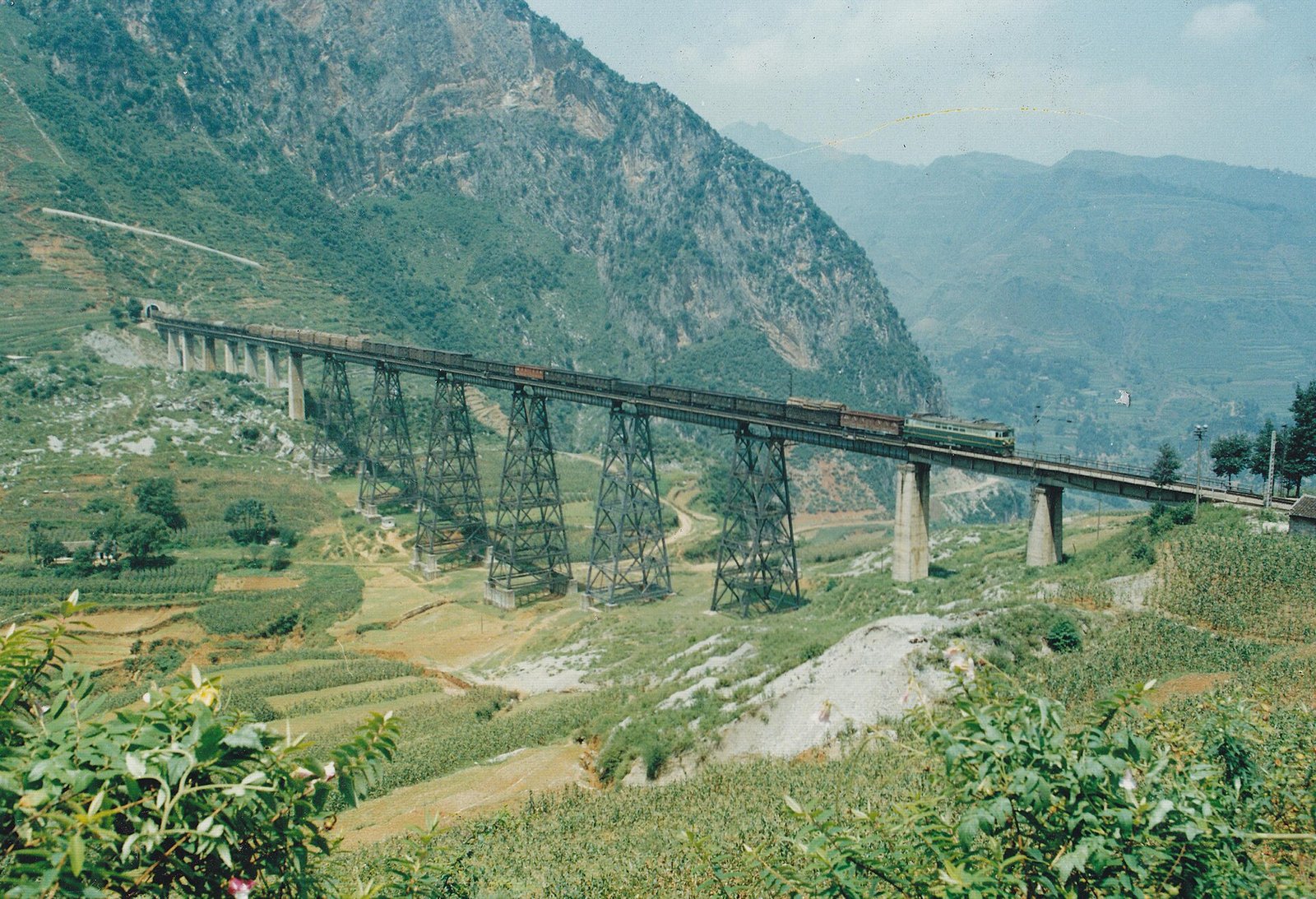
Caohai has no high-speed rail at all: Caohai station sits on the conventional Neijiang–Kunming line about 2.6 km from the county town, so the realistic route from Guiyang is a five-hour seated train rather than a two-hour bullet train in daylight.
| Route | Time | Rough cost | Notes |
|---|---|---|---|
| Guiyang to Caohai by K or ordinary train | 5h10–5h40 | ¥40–47 hard seat | Four to five daily, some overnight |
| Liupanshui to Caohai by train | About 1 hour | Under ¥20 | Simplest link from the west |
| High-speed rail to Bijie, then road | 2h + 2h | Highest | Most comfortable option |
| Fly to Zhaotong, then 71 km by road | 1.5h drive | Variable | Closest airport |
| Drive from Guiyang | 4 hours | Tolls and fuel | G76 then the Bijie–Weining expressway |
Fares and timings were checked against China Railway’s booking site in November 2026; re-check before travelling.
- Book Guiyang to Caohai on the official site, choosing a daytime departure.
- Leave Caohai station by taxi: ten minutes into town, roughly ¥10–20.
- Sleep in Weining county town, where heating is reliable.
- Fix a driver the night before for a 06:30 start to Wenjiatun or Huyelin.
- Walk Beipo in the afternoon, then take a taxi to Jiangjiawan for sunset.
What does 2,171 metres feel like?
Two thousand one hundred and seventy-one metres is high enough to notice on a staircase but low enough that most healthy travellers adjust within a day at Caohai, without medication or a rest day; the cold is a bigger problem than the thin air.
Weining is nicknamed the City of Sunshine: about 1,812 hours of sun a year, roughly 400 in winter (Bijie municipal government, 16 November 2026). December afternoons reach the low teens, nights fall to near freezing, and wind off the water makes it colder.
Which is better, Caohai Lake cranes or Poyang Lake?
Caohai and Poyang both hold wintering cranes, but Caohai is a compact plateau lake you can walk around in a morning, while Poyang is a lowland floodplain in Jiangxi that rewards a car, a telescope and several days of patience.
Caohai wins on intimacy: 2,171 metres, thin air, snow on the far shore, cranes feeding within a few hundred metres of a taxi rank. Poyang wins on scale — our guide to Poyang Lake in November covers its boats and hides. For a first crane trip, Caohai is simpler; for a dedicated birding week, Poyang has more to fill it.
What are the rules at Caohai, and why do they matter?
The reserve asks every visitor to keep at least 20 metres from Caohai Lake cranes, stay on boardwalks or marked platforms, and never fly a drone over roosts, feeding fields or the core zone at any time of day.
Feeding is banned outright, including bread for the gulls at the piers, because processed food makes Caohai Lake cranes ill and teaches dependence. Flash at dawn is out, and rangers stop anyone cutting through reedbeds or paying a tout for an unlicensed boat. The birds are the county’s winter economy; a selfie is not worth a flushed roost.
Practical tips before you go
- Pack a down jacket, hat and gloves even for a day trip; dawn at the roost sits near freezing.
- Carry cash for taxis and small eateries.
- Learn two phrases for the driver: 草海 (Caohai) and 观鸟台 (birdwatching platform).
- Eat Weining ham, buckwheat pastries and baked potatoes — the cold-weather menu earns the trip.
Plan the trip around the birds, not the map
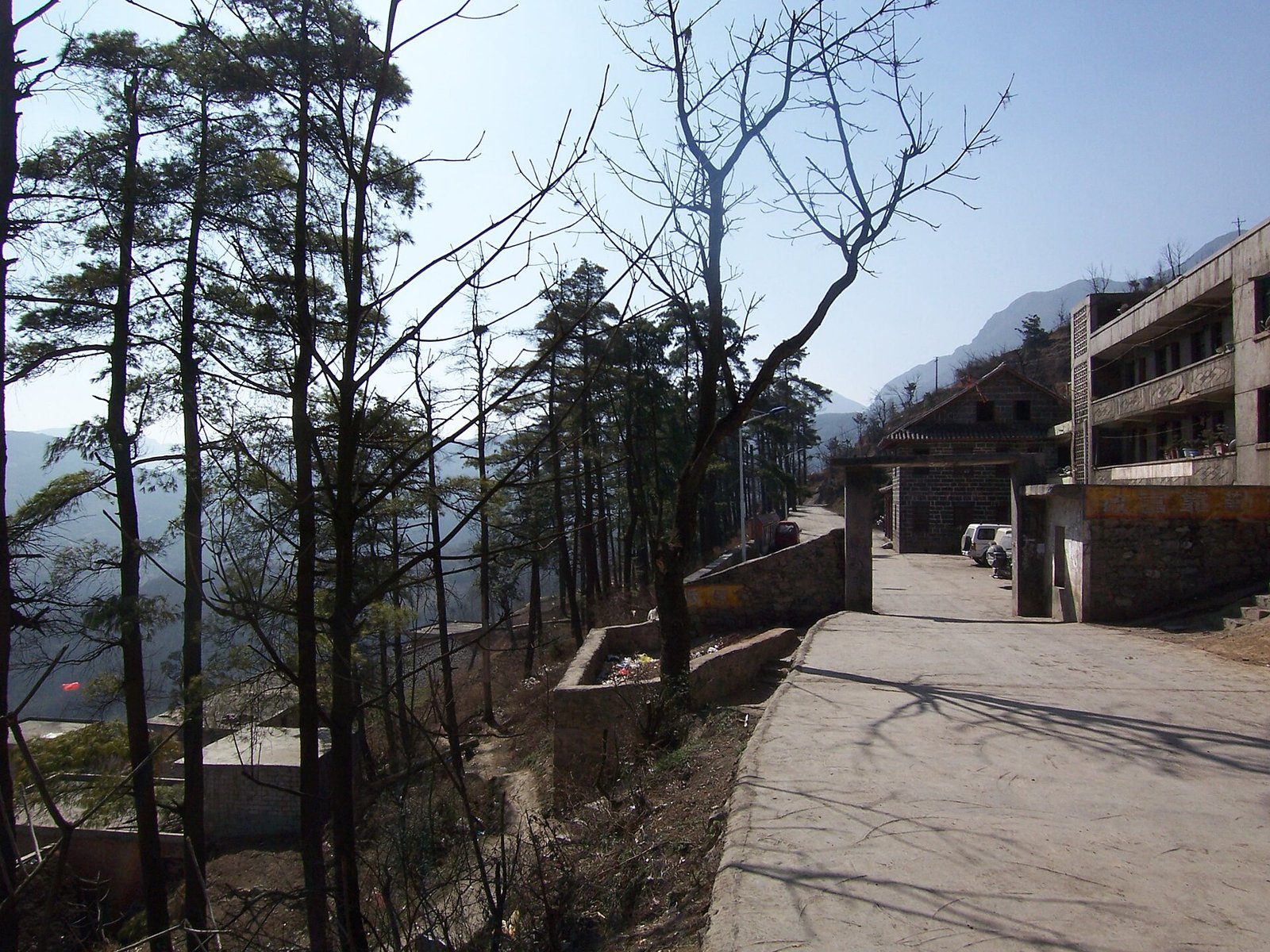
Caohai Lake cranes reward the traveller who treats the reserve as a two-night stop, not a photo opportunity. Arrive in late November or December, sleep in town, get up before the light, and let the birds set the schedule. Entry is free and the boardwalks open all day, so every morning is a gamble.
Building a longer loop? Pair the lake with western Guizhou’s villages in our guide to Guizhou’s traditional villages, and use the rural bus network guide for county-to-county legs. Birders heading north-east should read our Sichuan birdwatching guide; food-first travellers can end with Guizhou sour soup fish in Kaili.
Have you watched Caohai Lake cranes come off the roost at dawn? Tell us which viewpoint worked, or ask what to pack for January — we answer every comment.
Frequently asked questions
What is the best month to see Caohai Lake cranes?
December to February is the best window, when the wintering population peaks and flocks move between roost and fields in large numbers. November is quieter with fewer birds but far fewer people, and the cranes leave by late March.
How do I get to Caohai Lake from Guiyang?
Take a K or ordinary train from Guiyang to Caohai station: about five to five and a half hours, roughly ¥40–47 in hard seat. The station is 2.6 km from Weining county town, a ten-minute taxi ride.
Do I need a ticket or permit for Caohai?
No ticket and no permit are needed to see Caohai Lake cranes: the shore, the boardwalks and Beipo Ecological Park are free and open all day. Only boat trips and guided tours, where they run, are charged separately.
Can I take a boat on Caohai?
Boat services are restricted under the reserve’s ecological controls and have been suspended for long stretches, so treat any boat trip as conditional. Ignore roadside touts and confirm the current status locally.
How close can I get to a black-necked crane?
Keep at least 20 metres away, stay on the boardwalk or marked platform, and never feed or chase the birds. Rangers enforce this because a flushed roost costs the cranes a night’s rest and can push them off the lake.