


China’s Spring Festival Travel Rush: Booking Like a Local
The departure board flicks through six cities, twelve thousand people edge their suitcases forward, and a voice announces a train that leaves in forty minutes. China Railway carried 538 million passengers through the 40 days of the 2026 Spring Festival travel rush, 4.8% more than a year earlier (China Railway, 16 March 2026). The Spring Festival travel rush — chunyun in Chinese — is a booking war with fixed rules rather than luck. At jusha.travel, we love sharing tips that turn a daunting system into a workable plan, so here is the 2027 calendar, the 12306 sequence locals use, and what a foreign passport can do.
What is the Spring Festival travel rush, and when is chunyun 2027?
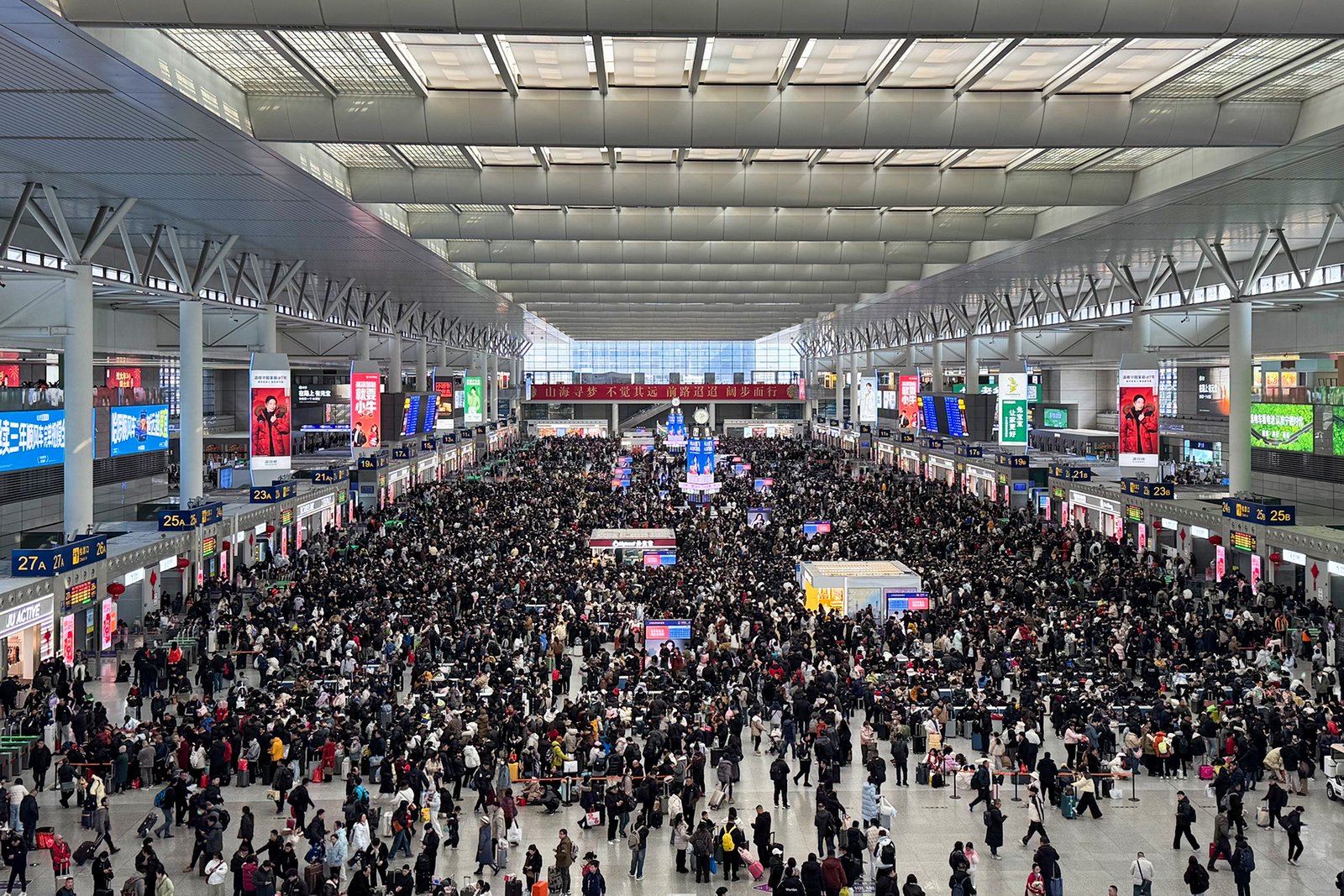
The Spring Festival travel rush is the 40-day window when China’s trains, planes and coaches absorb the year’s heaviest passenger load, opening 15 days before Lunar New Year and closing 25 days after. Chunyun 2027 is expected to run from 22 January to 2 March, with China Railway confirming the dates in December.
The holiday itself is already fixed: Lunar New Year’s Day falls on 6 February 2027, and the State Council grants nine days off from 5 to 13 February, with 31 January and 14 February worked as make-up days (Xinhua, 5 November 2026). Nine days create two hard peaks, the run home on 3–5 February and the return on 11–13 February. Almost every other decision follows from avoiding those six days.
| Travel date | What happens | Tickets open |
|---|---|---|
| 22 January | Expected first day of chunyun | 8 January |
| 3–4 February | Outbound peak begins | 20–21 January |
| 5 February | New Year’s Eve | 22 January |
| 6 February | Lunar New Year’s Day | 23 January |
| 11–13 February | Return peak, holiday ends | 28–30 January |
| 20 February | Lantern Festival | 6 February |
How does the 15-day presale window work?
Tickets for every Chinese train open exactly 15 days before departure, counting the travel day, so a seat for 5 February is released on 22 January at your departure station’s sale time. Nothing opens earlier, not even through an agent.
An empty search result for a date three weeks out means sales have not opened, not that the train is full. China Railway sells only through 12306, and the third-party “acceleration packages” add no inventory at all (China Railway, 17 March 2026).
Each station opens sales at its own hour
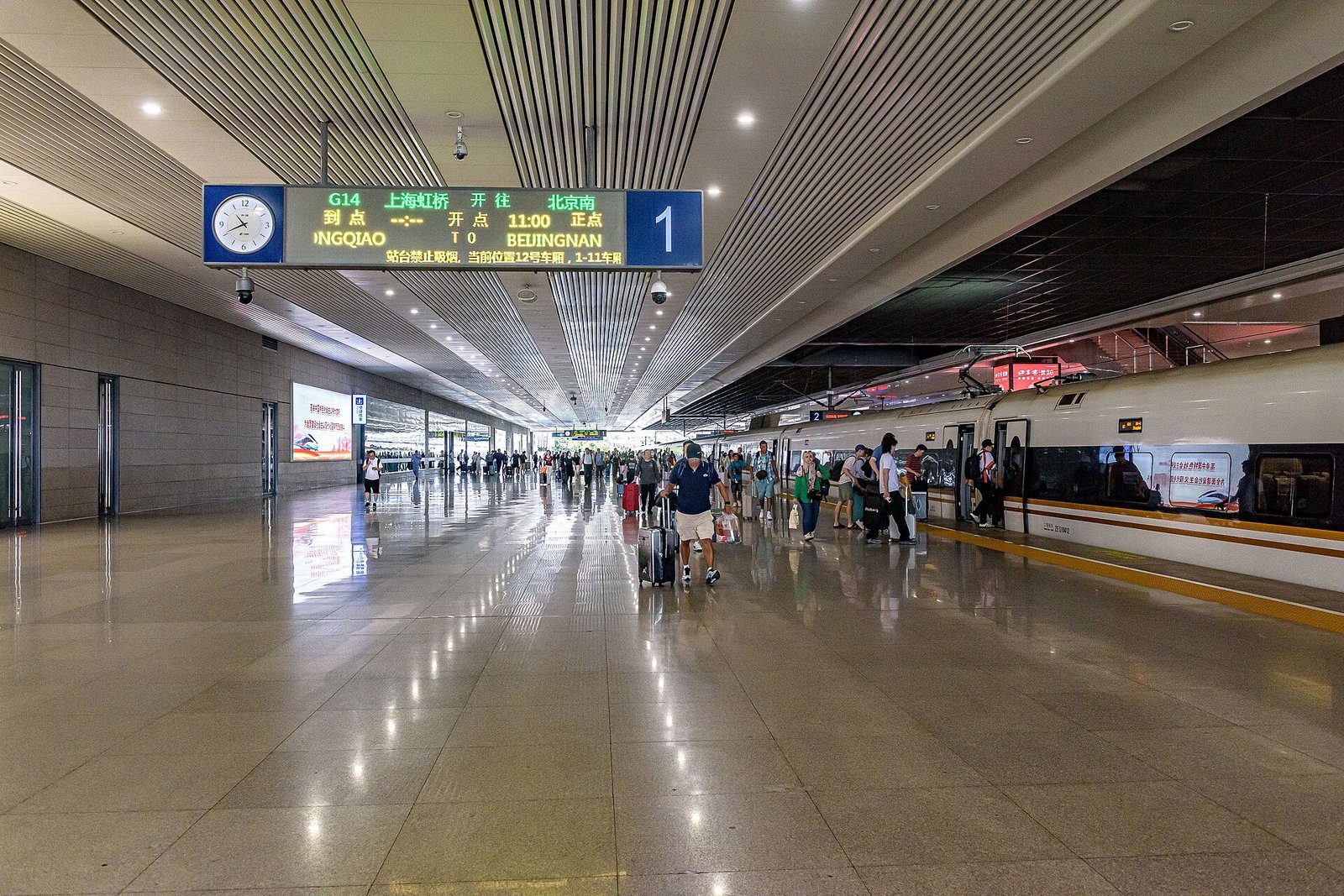
During the Spring Festival travel rush, sale times stay staggered across 41 slots between 08:00 and 18:00, a system set on 7 June 2025 to spread server load (People’s Daily via China Railway). Beijing West opens at 08:00, Shanghai Hongqiao at 13:45, Guangzhou South at 10:15 and Beijing South at 12:45; 12306 lists every station.
Pre-fill the order before the clock turns
On sale day 12306 offers a pre-fill panel: load passengers, trains and seat classes in advance, then submit with one tap. Pre-filling separates a seat from a waitlist, because nobody types a passport number accurately at 08:00:00.
How do you get a ticket when the train is sold out?
During the Spring Festival travel rush, the waitlist carries most travellers: 12306 fulfilled 74.4% of waitlist requests during the 2026 edition, free of charge (China Railway, 17 March 2026). Joining costs nothing, and an unfulfilled request is refunded in full.
The rules reward breadth. One account may hold six pending orders covering three travel dates each, up to 60 train-and-date combinations, with 19 passengers per order and fulfilment until 20 minutes before departure (CNR, 13 September 2026). Places are served in the order received, so the position gained at 08:01 beats any paid boost.
- Join the waitlist the second the sale fails; your place is timestamped, not bid for.
- Spread three travel dates, so one sold-out day cannot sink the trip.
- Fill all 60 combinations with every plausible train and seat class.
- Switch on “accept new trains”, which lets 12306 seat you on extra services.
- Accept a standing ticket only for legs under three hours.
- If nothing clears, split the journey at a hub such as Zhengzhou East or Changsha South.
Second class, standing or sleeper: which ticket should you book?
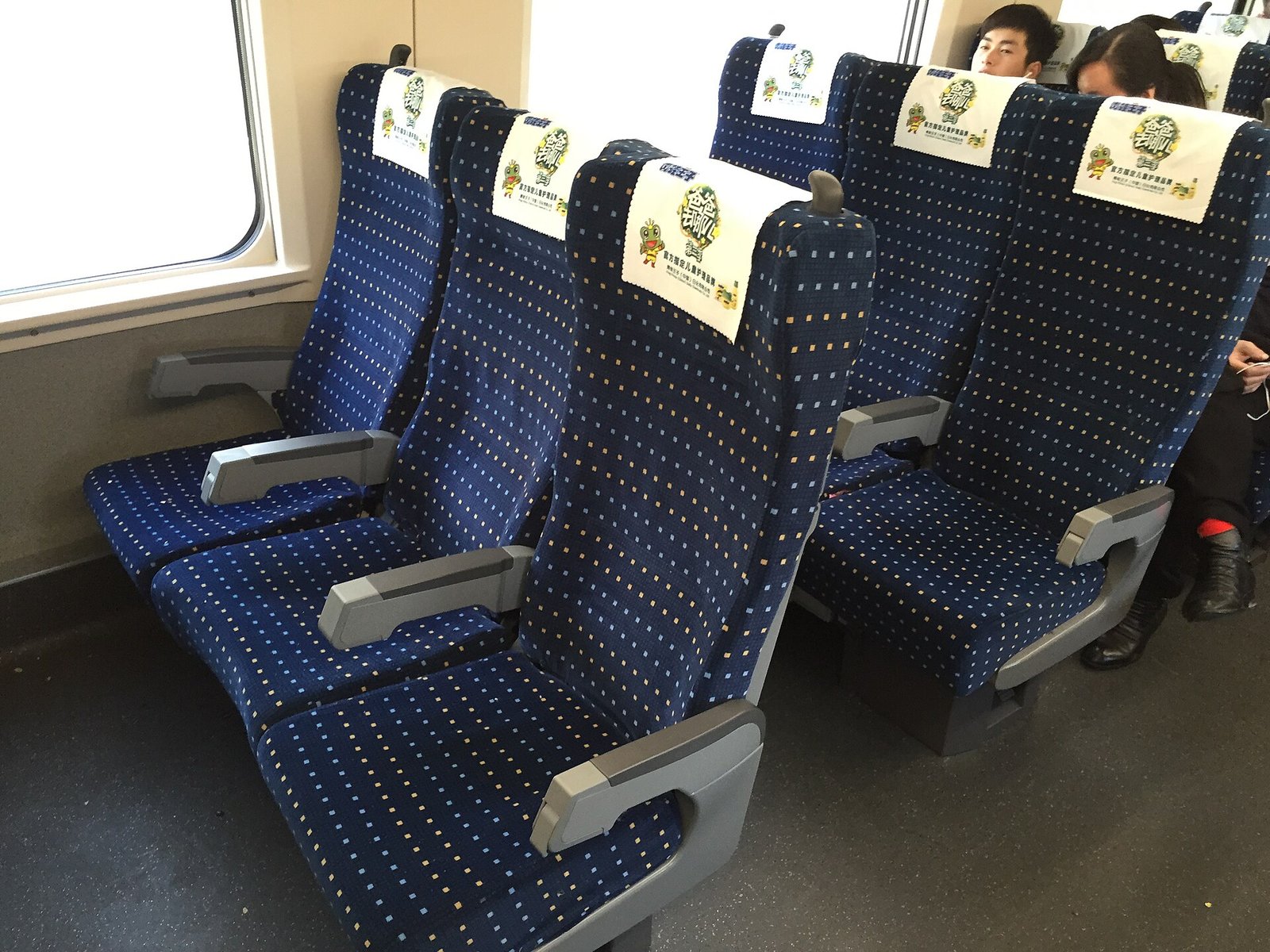
Second class is the standard long-distance seat on Chinese high-speed trains, and during the Spring Festival travel rush it is the first cabin to vanish from trunk routes. Seat choice matters more than train choice on any leg over four hours.
Classes differ in space, not speed, since every coach of a G train arrives at the same minute. First class adds width, business class adds a lie-flat pod, and standing tickets cost the same as second class while offering no seat at all. Fares float with demand, so read the figures below as a planning range.
| Ticket | Typical fare | What you get |
|---|---|---|
| Second class | ¥553–662 | 3+2 seating, overhead rack, power socket |
| First class | ¥933–1,107 | 2+2 seating, wider armrests, quieter coach |
| Business class | ¥1,748–2,420 | Lie-flat pod, lounge access at major stations |
| Hard sleeper | from ¥283 | Bunk on a conventional train, 12–19 hours |
| Standing | second-class price | No seat, conventional trains only |
Sleepers change the arithmetic: a hard bunk from Beijing to Shanghai costs from ¥283 and removes a hotel night, as our guide to overnight trains across China’s railways explains. During the Spring Festival travel rush, a bunk is also easier to find than a seat on the same corridor.
Train, plane or coach: what actually works during chunyun?
High-speed rail wins corridors under about five hours, aircraft win beyond 1,200 km, and coaches only make sense where the railway does not go. During the Spring Festival travel rush, that rule is decided by the calendar as much as by the timetable.
Beijing to Shanghai is the cleanest test. The fastest G trains take 4 hours 18 minutes to 4 hours 37 minutes from Beijing South to Shanghai Hongqiao, centre to centre, with no baggage queue (12306 listings, November 2026). A flight spends two hours in the air and three at the airport, and trunk-route fares climb steeply in the week before New Year.
| Mode | Door to door | Typical cost | Chunyun risk |
|---|---|---|---|
| High-speed rail | 4h30–5h | ¥553–662 | Sells out on peak dates |
| Flight | 5h–6h | Rises sharply near the holiday | Weather delays, fare spikes |
| Overnight train | 12h–19h | From ¥283 | Steady availability |
| Long-distance coach | 15h+ | Lowest | Slowest, few amenities |
Can foreigners book tickets for the Spring Festival travel rush?
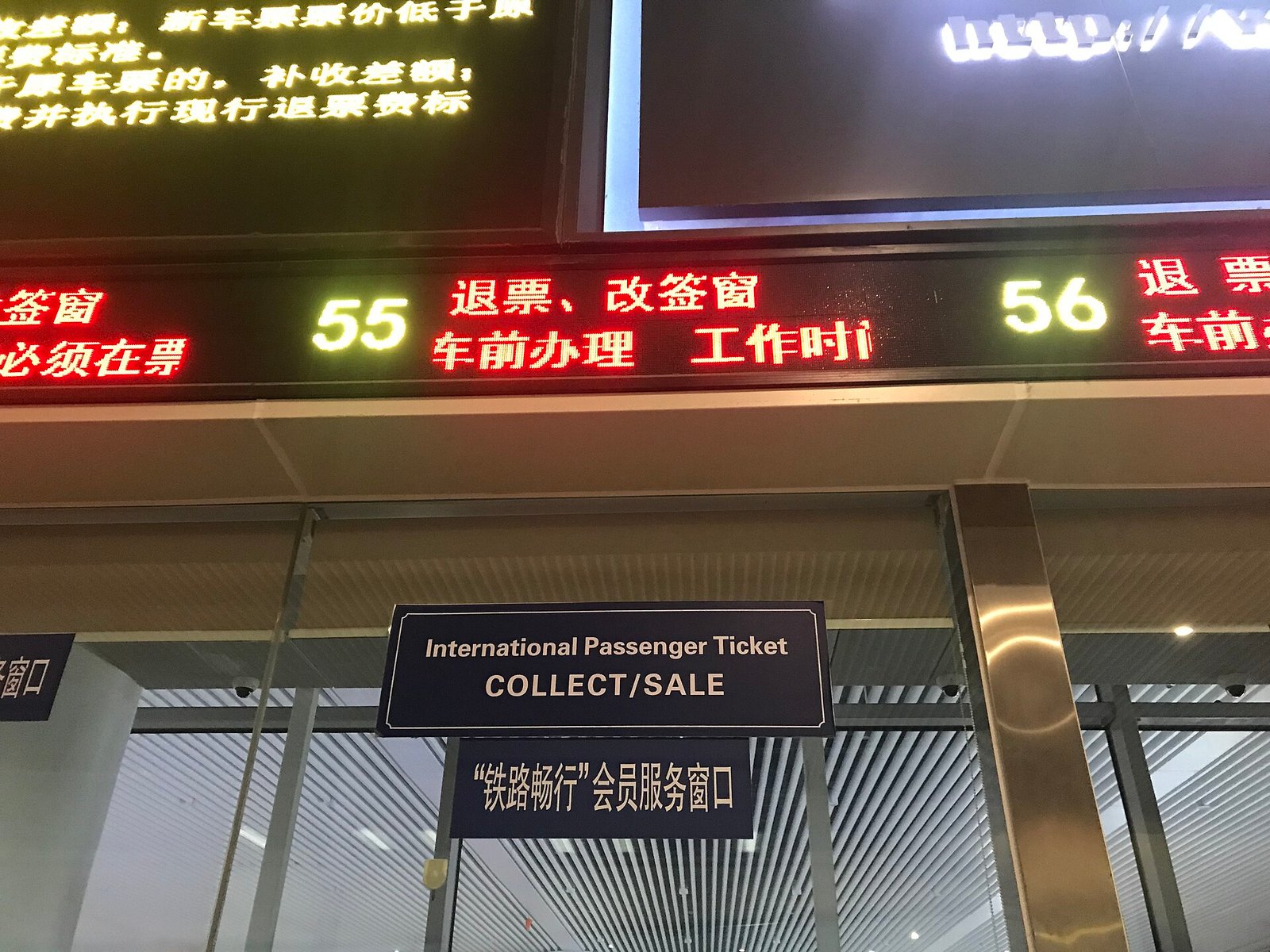
Foreign passports work on 12306’s English site and app, but identity verification must clear before the first purchase. Verification needs a passport number that matches the document exactly, and it usually clears within minutes; without it, 12306 sells you nothing.
Verification is usually automatic: enter name, nationality and document number, with a passport photo upload as backup, or let a station counter do it in person (Guide to Working and Living in China, 2026). International cards and mobile wallets are accepted, big stations keep an International Passenger Ticket window, and the passport itself opens the gate. Groups fare better than before, with 19 tickets per order and 30 saved passengers per account (China Economic Net, 5 June 2026).
Our walkthrough of mobile train booking apps in China covers the English-language alternatives and their fees. Arrive with the same passport used at booking, because a scan on a phone will not pass the gate during the Spring Festival travel rush.
How do you avoid the worst of chunyun?
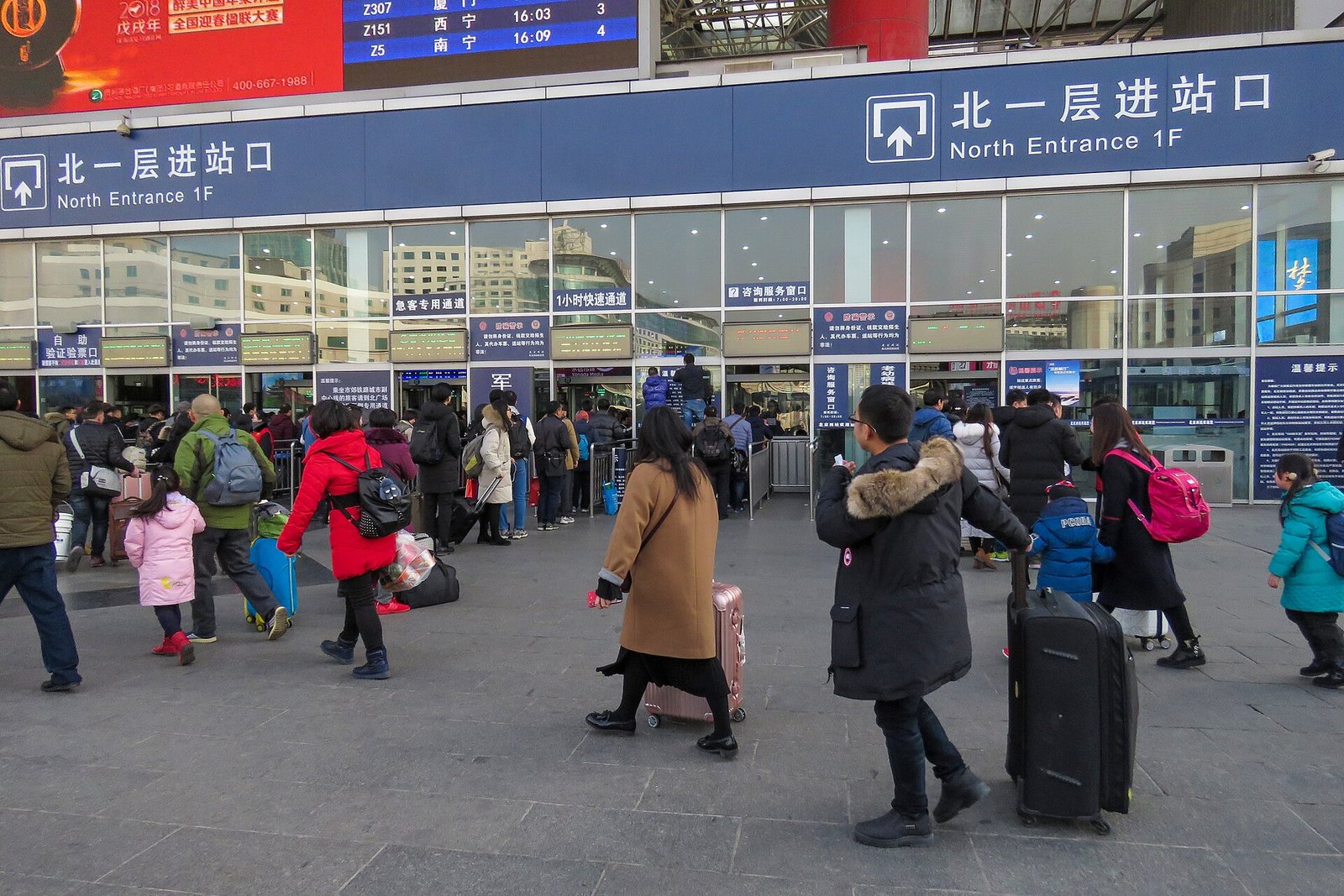
Chunyun is directional, so the calmest seats travel against the flow: reverse trips toward smaller cities, night services, and dates outside 3–6 February and 11–13 February. The flow is one-way, and the emptiest trains run against it.
China Railway adds night high-speed trains on the Beijing–Guangzhou, Beijing–Shanghai and Shanghai–Kunming corridors, plus overnight sleepers between city clusters, and discounts quiet services by up to 80% during the Spring Festival travel rush (China Railway, 17 March 2026). Reverse travel is the local trick: trains leaving Shenzhen or Shanghai on 4 February can run half empty while inbound ones are hopeless.
Practical tips before you press book
- Set the alarm for your station’s sale time, not a round 08:00.
- Save every passport number before sale day; one typo blocks the gate.
- Book the return leg in the same session as the outbound.
- Mis-purchases cancel free within 30 minutes of payment if departure is more than four hours away (Xiangyang Municipal Government, 17 September 2026).
- After that, refunds cost 5% from eight days out, 10% within 24–48 hours, and 20% under 24 hours.
- Reach a major station 45–60 minutes early, and ignore “speed boost” upsells: during the Spring Festival travel rush, 12306 holds every ticket that exists.
Booking the shoulder instead of the peak
The Spring Festival travel rush rewards travellers who plan around it. Book 14 days ahead at the exact sale time, build a wide waitlist that morning, and move on 1–2 February or 7–9 February, when the same trains run half empty. Before you go, read our guides to celebrating Chinese New Year like a local, booking 12306 tickets step by step and navigating China’s high-speed rail like a pro. Tell us which route you are attempting in the comments.
Frequently asked questions
When does the Spring Festival travel rush start in 2027?
Chunyun 2027 is expected to begin on 22 January and end on 2 March, opening 15 days before Lunar New Year and closing 25 days after it. China Railway normally confirms the dates in December, so check 12306 before booking flights.
How far in advance can I buy chunyun train tickets?
Tickets open exactly 15 days before departure, counting the travel day, so a 5 February train goes on sale on 22 January. Each station releases seats at its own hour between 08:00 and 18:00.
What happens if the train I want is sold out?
Join the free 12306 waitlist immediately, because places are served in the order received and 74.4% of requests were fulfilled during the 2026 rush. One account can hold six orders over three dates each.
Can foreigners book Spring Festival train tickets with a passport?
Yes — passports work on 12306’s English site and app once identity verification clears, usually automatically or at a station counter. International bank cards are accepted, and the passport opens the ticket gate.
Which chunyun dates should I avoid in 2027?
Avoid 3–6 February and 11–13 February 2027, the outbound and return peaks around the nine-day holiday. Travelling on 1–2 February or 7–9 February, or booking a reverse route out of a big city, usually means an emptier train.