


Miao New Year: Guizhou’s Villages at Their Loudest
Somewhere above the lane a drum begins — three slow beats, then a run of them — and forty women in silver headdresses move into the square as if the sound had pulled them on a string. Corn cobs hang under the eaves, a pig is being butchered behind a courtyard wall, and a man walks past with a tray of rice-wine bowls. This is Miao New Year in southeast Guizhou, and nobody minds that you have wandered in.
Miao New Year (苗年) is the Miao people’s harvest and ancestor festival, and in 2026 Leishan county runs its official programme from 1 November to 2 December, with the opening parade and the 10,000-seat long-table banquet on 12 November. At jusha.travel, we love sharing tips that get travellers past the gate and into the kitchen, so here is what the festival involves, which villages to choose, what tickets cost, and how to reach Leishan from Guiyang in 35 minutes by train.
What is Miao New Year, and when does it fall?
Miao New Year is a harvest thanksgiving and ancestor festival that begins with the tenth lunar month, placing it in late October or November, and runs for anything from three days to a fortnight. China’s State Council added it to the national intangible cultural heritage list in 2008, naming Danzhai and Leishan counties as its home (苗年, Chinese Wikipedia; Xinhua, 12 November 2026).
The date is not fixed. Village elders pick an auspicious day, often the first rabbit or ox day of the month, so celebrations ripple across the prefecture for weeks instead of landing on one weekend. China Daily reported on 16 November 2026 that Leishan’s townships would begin their own observances from 13 November, the day after the county ceremony.
Why Leishan county is the loudest stage
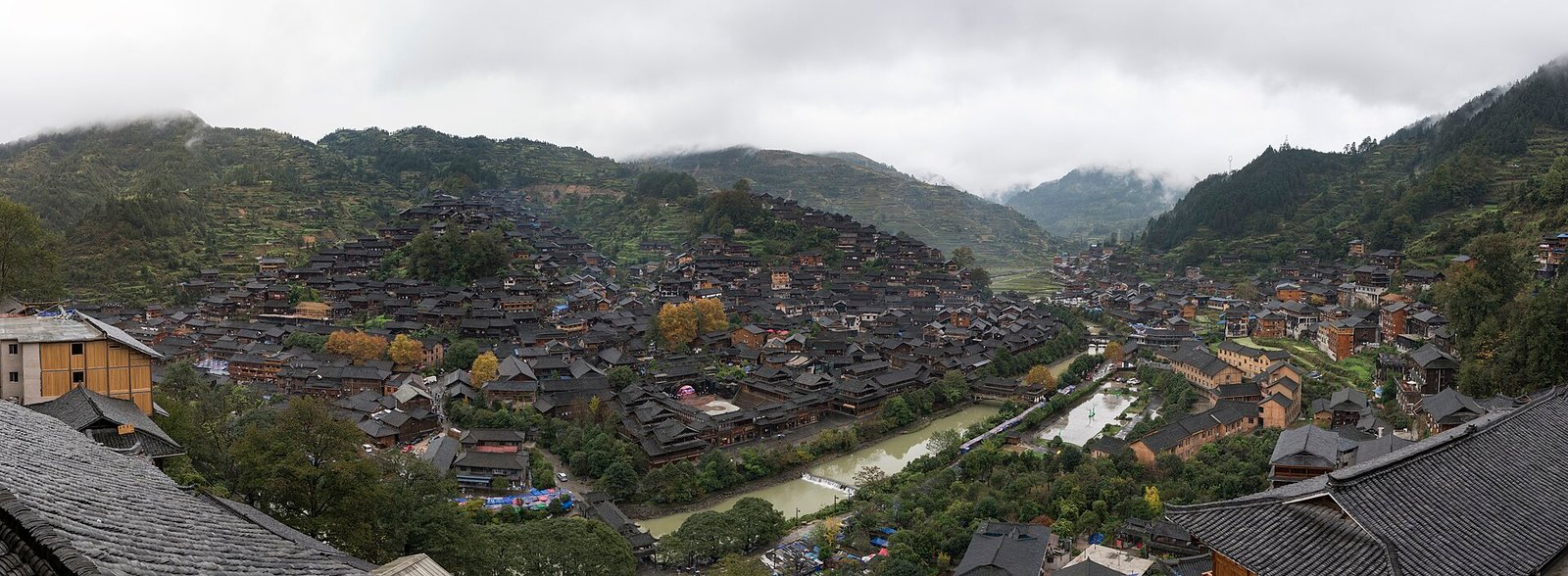
Leishan is the county in Qiandongnan Miao and Dong Autonomous Prefecture where the festival is thickest on the ground: 15 national-level intangible heritage items and 68 villages on China’s traditional-village list sit inside one administrative boundary, according to the Guizhou provincial government (12 November 2026).
Xijiang Qianhu Miao Village is the obvious base — more than a thousand stilt houses on two hillsides above the Baishui River, an hour by shuttle from Kaili South station. Our guide to Xijiang after dark covers the lighting-up hour; at Miao New Year the slopes hold processions, lusheng circles and a banquet along the main street.
Smaller villages sell the version without scaffolding. Langde Shangzhai, a short drive from Leishan town, still greets arrivals with a dozen bowls of wine at the gate, while Datang and Fangxiang hold their own days later in the month.
What actually happens during Miao New Year
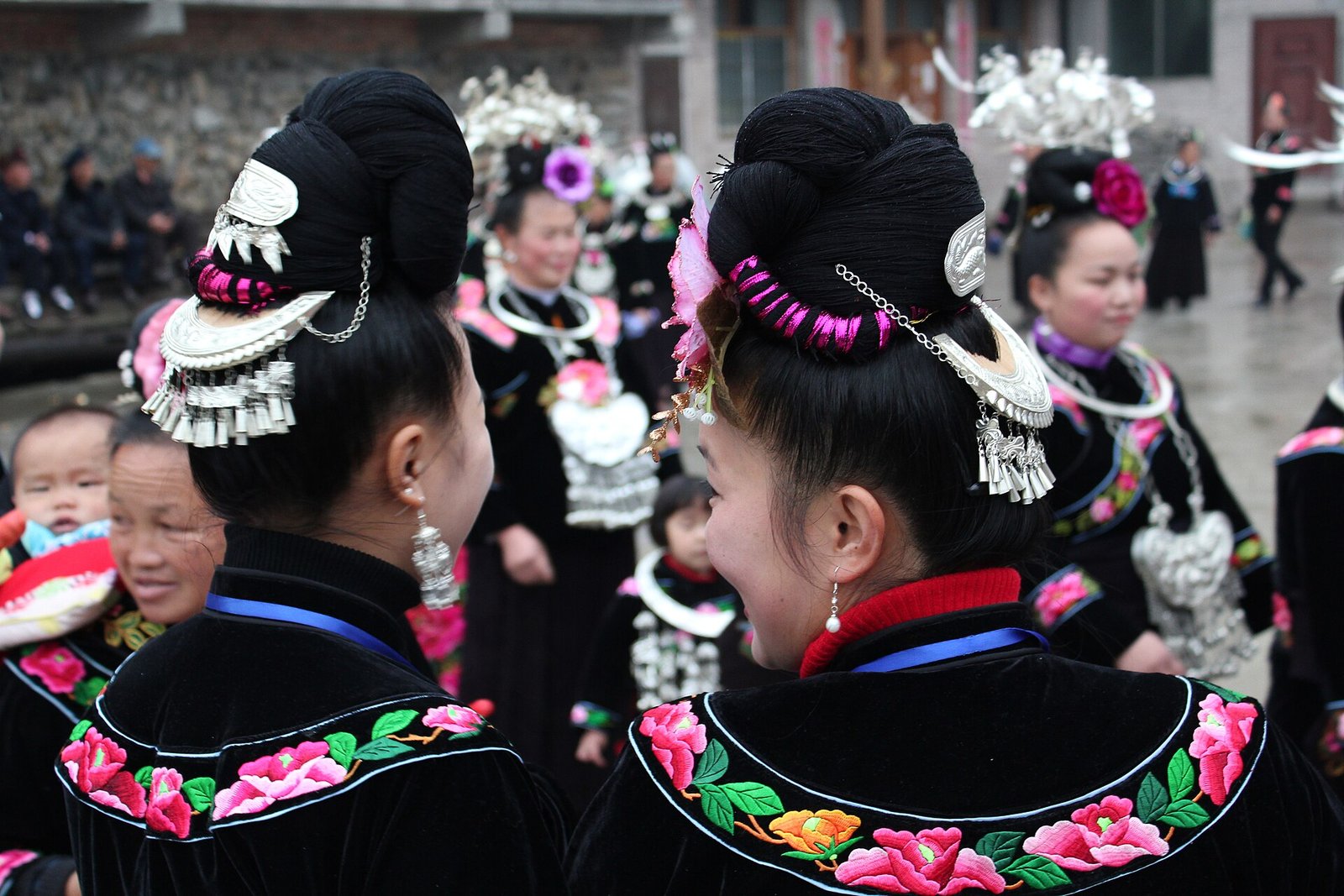
Three things structure the festival: the pig, the table and the drum. Everything else — the silver, the firecrackers, the basketball — hangs off those three.
The pig, the ancestors and the first morning
A household’s year starts with a pig killed on a day that dodges the family’s taboo dates, neighbours helping, the meat shared as paotang fan, the pig-soup meal. Offerings of fish and beef go to the ancestors first, and on the first morning nobody sweeps, blows on the fire or pours water out of the house, so the year’s luck stays indoors.
Long tables, sour soup and the gaoshan liushui toast
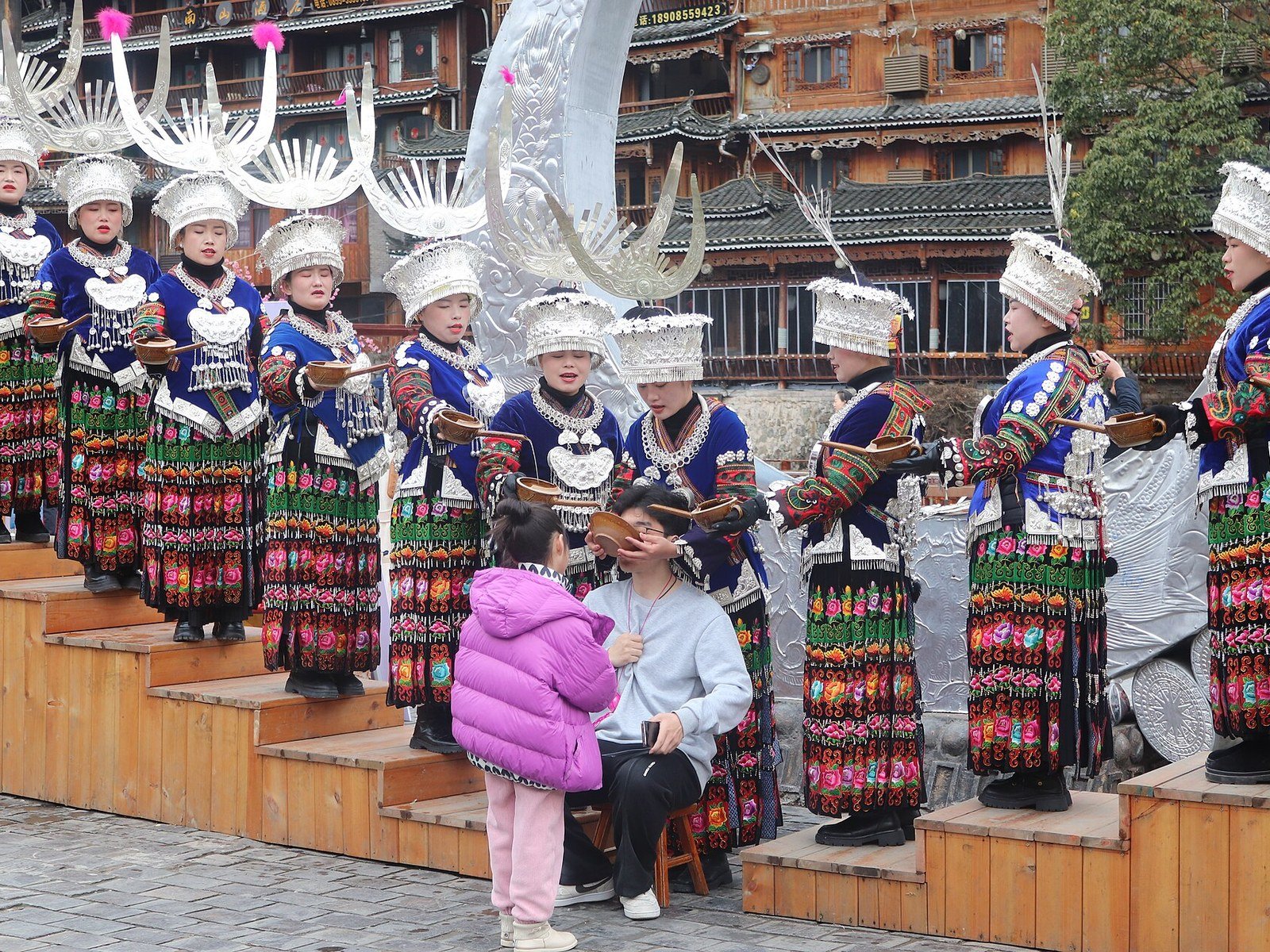
Leishan’s 10,000-person banquet is the set piece: tables end to end along Xinxing Avenue, sour fish soup, cured pork and sticky rice, hostesses singing as they pour. The 2026 edition added a 1,000-person gaoshan liushui — “high mountain, flowing water” — where bowls cascade down a human chain; provincial media reported on 13 November that all 5,000 seats for 12 November sold out in advance.
In Xijiang the same meal is a bookable product rather than a village event: CNY 68 or 99 per head for the set banquet, or CNY 168–199 bundled with entry and the shuttle (Xijiang scenic area ticketing, November 2026).
Bullfighting, lusheng and guma basketball
Bullfighting fills the afternoon, staged in a hollow between hills, the animals’ names chalked on a board. At midnight beforehand, owners walk to the byre with bamboo pipes to bless the bull and raise its temper. Lusheng dancing starts on the second day and can run five to seven nights, moving from children to the tallest girls in the heaviest silver.
Leishan’s 2026 calendar folded in a guma basketball tournament for married daughters returning home (12–15 November) and a Miaoling bullfighting championship (16–20 November), both free to watch (Colorful Guizhou Network, 11 November 2026).
Leishan or Taijiang: which county should you choose?
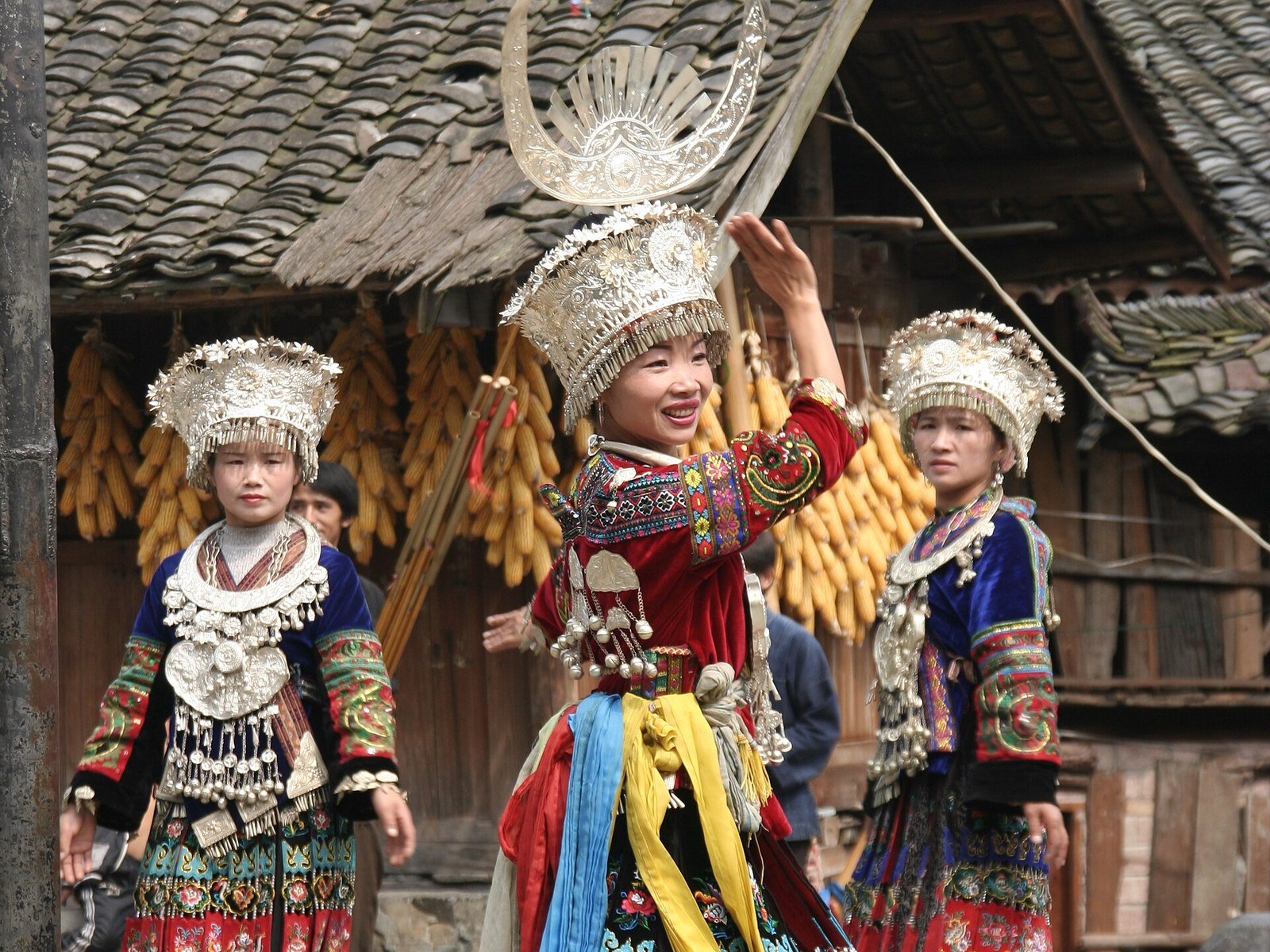
Leishan is the county for travellers who want the full orchestrated festival with trains and hotels behind it, while Taijiang suits anyone chasing village-level ritual and the wooden drum dance. Both sit inside Qiandongnan prefecture, on opposite sides of Kaili city, which is the transport hub for either.
| Leishan | Taijiang | |
|---|---|---|
| Signature | Parade, 10,000-seat banquet | Wooden drum dance, rituals |
| Access | Kaili South + 1-hour shuttle | Kaili South + 1 hour by road |
| Crowds | Heavy in festival week | Light outside festival days |
| Best for | First visits, photography | Repeat visitors, ceremony |
Taijiang’s signature is the Fanpai wooden drum dance, a national heritage item since 2006, performed in a village 26 km southeast of the county town. Its own 2026 programme opened on 14 November with costume parades, a market and street basketball, according to local media.
How do you get to Leishan from Guiyang?
The fastest route is a high-speed train from Guiyang North to Kaili South — 35–40 minutes, from CNY 58.5 in second class — then a scenic-area shuttle to Xijiang from the bus station beside the station exit.
| Leg | Time | Cost |
|---|---|---|
| Guiyang North → Kaili South | 35–40 min | from CNY 58.5 |
| Kaili South → Xijiang | about 1 hour | CNY 35 |
| Kaili South → Leishan town | about 1 hour | local bus |
Buy to Kaili South (凯里南), not Kaili — the old station is 10 km away in the city and adds an hour. Shuttles run 08:00–18:30, hourly and every 30 minutes at peak, dropping at Xijiang’s north gate.
Tickets, hours and what to book
Xijiang charges CNY 90 for entry, or CNY 110 from March to November including four rides on the internal shuttle, and stays open from 07:30 until midnight, so a late arrival still catches the lights. Festival extras — ceremony seats, banquet places, homestays, even a whole village — are booked through the Zhiyou Leishan mini-programme (CRI, 16 October 2026).
The “rent a village” add-on covers Danjiang, Xijiang, Datang, Langde and Fangxiang townships, for groups who want to kill the pig, pound rice cakes and eat with a household rather than watch from a barrier.
A three-day Miao New Year plan
- Day one, afternoon: train to Kaili South, shuttle to Xijiang, check in on the hillside rather than the main street.
- Day one, dusk: climb to the viewpoint for the switch-on, then eat sour fish soup beside the river.
- Day two, morning: taxi to Langde for the gate wine and a village lusheng circle.
- Day two, evening: back for the long-table banquet, with a seat booked rather than improvised.
- Day three: Leishan town for the parade ground and market, then a late train west.
Etiquette: how to be a good guest
Village Miao New Year is a family occasion that happens to tolerate strangers, and the rules are mostly about not treating it as a show. Accept the wine when it is offered, even a sip; refusing food at a household table reads as rejection. Ask before photographing people, and never touch a woman’s silver headdress — it is heirloom property and a marker of standing, not costume. Bring a small gift of fruit or sweets if you are invited to eat.
Practical tips for Miao New Year
- Book beds two to four weeks ahead; Xijiang fills and rates climb.
- Pack earplugs and a torch — firecrackers run all night and side lanes are unlit.
- Wear shoes with grip; November stone lanes stay wet.
- Carry CNY 300–500 in cash for shuttles, banquet seats and stalls.
- Confirm village dates with your guesthouse, not the internet; they move.
Where to sleep when the county fills up
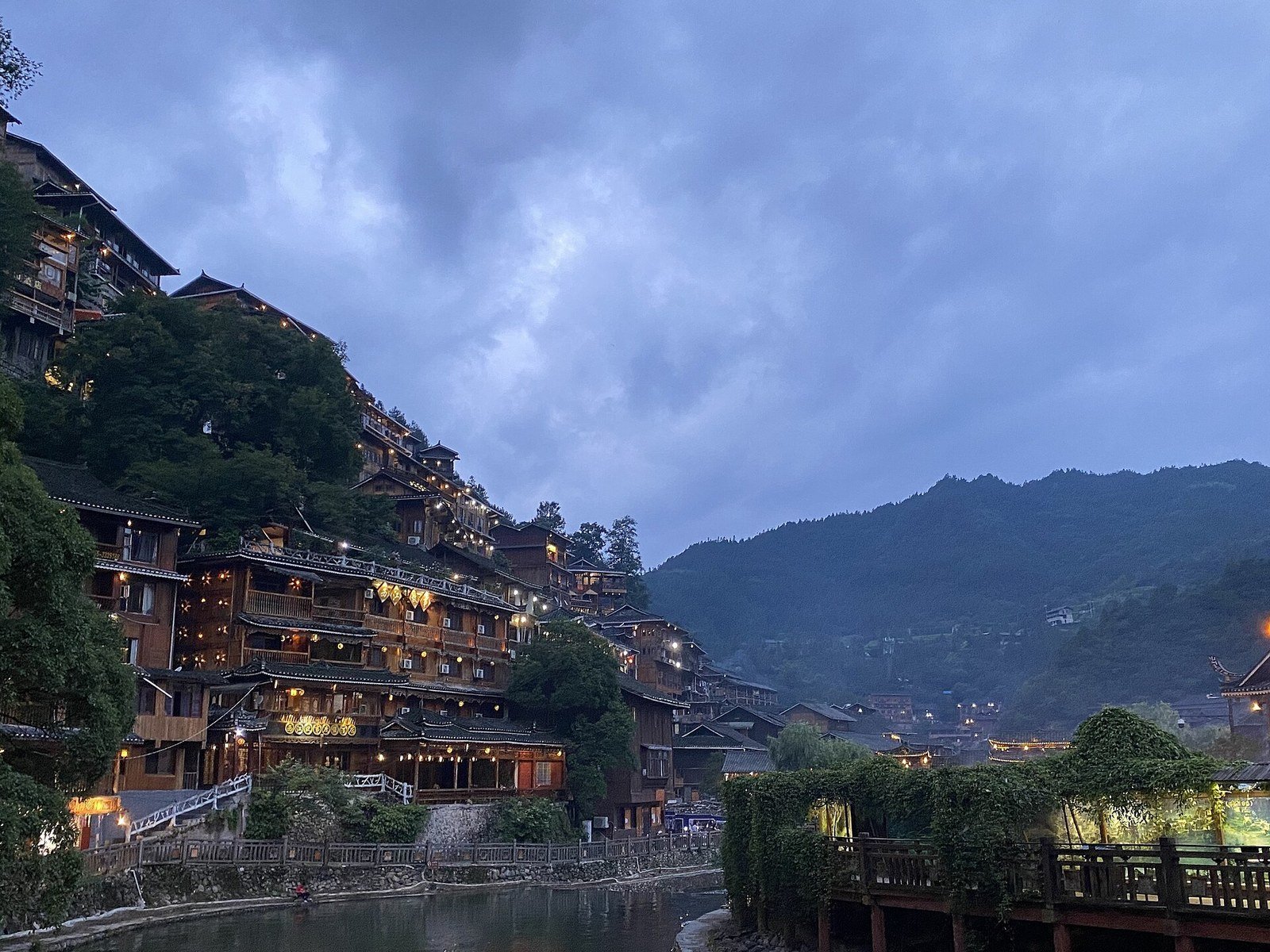
Xijiang’s guesthouses run from CNY 100 to 500 a night; hillside rooms above the fourth wind-rain bridge give the best view for the money. Langde is quieter and closer to the ritual, Leishan town the practical base for the parade.
Final thoughts
Miao New Year is a working festival that tolerates an audience, and the difference matters: go for the drum, stay for the table, and let a village decide your schedule for a day. If you are building a longer route, our guide to Guizhou’s villages and our piece on Guizhou sour soup fish fill the days between festivals, Tongren’s Miao festival culture explains the wider ritual map, and China’s rural buses get you to villages without a shuttle.
Frequently asked questions
When is Miao New Year in 2026?
Miao New Year 2026 falls in the tenth lunar month, so Leishan county’s official programme runs from 1 November to 2 December, with the main parade and 10,000-seat banquet on 12 November. Villages then hold their own days from 13 November onwards, each on a date its elders choose.
Can foreigners join a village’s Miao New Year?
Yes. Miao households expect guests and will often wave you in for rice wine and a bowl of pig-soup rice. Accept what is offered, ask before taking photographs, never touch a silver headdress, and bring a small gift of fruit or sweets if you are invited to sit down and eat.
How much does a Miao New Year trip cost?
Budget roughly CNY 400–600 per person for two days on top of accommodation: CNY 58.5 for the train from Guiyang North to Kaili South, CNY 35 for the shuttle to Xijiang, CNY 110 for entry with the internal bus in peak season, and CNY 68–99 for a banquet seat.
Do I need to book ahead?
Yes for beds and banquet seats. Xijiang guesthouses fill two to four weeks before festival week, and Leishan’s 5,000 banquet places for 12 November 2026 sold out in advance. Ceremony seats, banquets and homestays are booked through the Zhiyou Leishan mini-programme.
Is Miao New Year the same as Chinese New Year?
No. Miao New Year follows the tenth lunar month, roughly six to ten weeks before Chinese New Year, and lasts three days to a fortnight. Some Miao communities in Hunan and Guangxi have dropped it entirely and celebrate the Han Spring Festival instead, which locals call the “guest festival”.