


China’s Best Wildlife Sanctuaries: Where to See Pandas and More
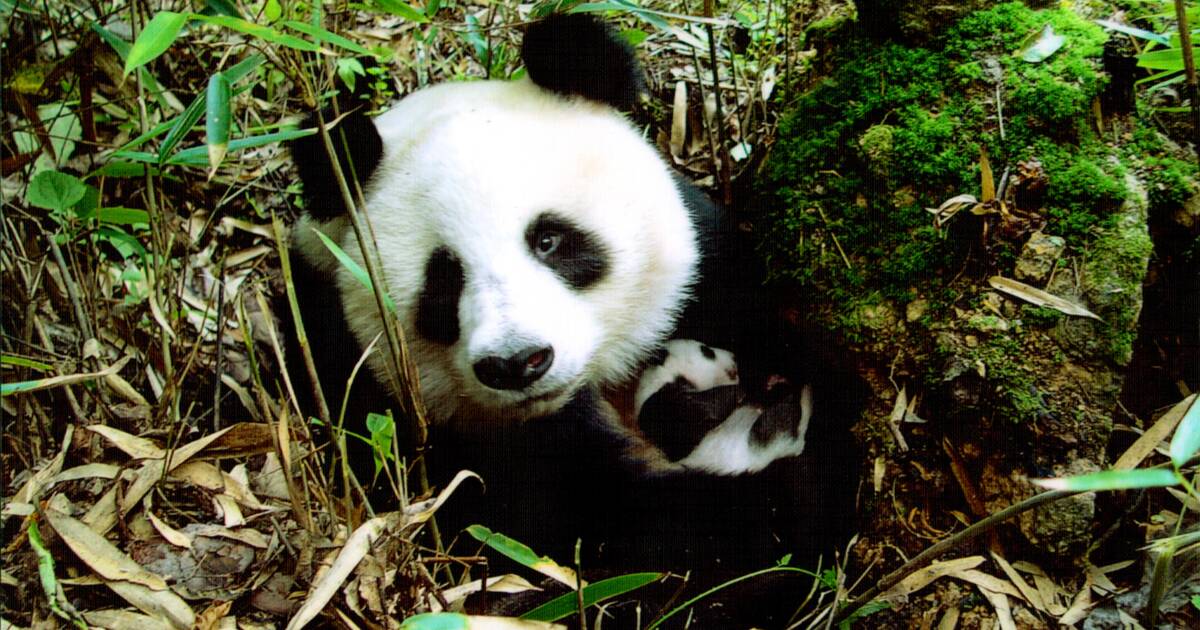
Welcome to the world of China wildlife sanctuaries, where adventure meets conservation in some of the most breathtaking natural settings on the planet. If you’re a traveler eager to explore the iconic giant pandas or discover other fascinating wildlife, China offers unparalleled opportunities that blend stunning landscapes with rich cultural heritage. From the misty mountains of Sichuan to the serene reserves in Shaanxi, these sanctuaries are not just about animal sightings—they’re gateways to understanding China’s commitment to biodiversity and environmental protection. Here at jusha.travel, we love sharing tips to make your China journey unforgettable, and this guide will highlight some of the best spots for panda sanctuaries China and beyond, perfect for wildlife travel China enthusiasts. https://jusha.travel/discover-the-best-hiking-trails-in-china-a-guide-to-adventure-and-natural-wonders/ Whether you’re planning a family trip, a solo adventure, or a China animal tours experience, visiting these China nature reserves provides not only thrilling encounters but also insights into Chinese culture, such as the ancient philosophies of harmony with nature. Let’s dive into these hidden gems, where you can witness the playful antics of pandas while learning about cutting-edge conservation efforts that incorporate modern technology like AI-monitored habitats.
Discovering Sichuan’s Giant Panda Sanctuaries

Sichuan Province is often hailed as the heart of panda sanctuaries China, home to the expansive Sichuan Giant Panda Sanctuaries, a UNESCO World Heritage Site that spans over 924,500 hectares. This vast network, including Wolong, Mt. Siguniang, and the Jiajin Mountains, isn’t just about pandas—it’s a biodiversity hotspot protecting over 30% of the world’s wild giant pandas, along with other endangered species like the red panda, snow leopard, and clouded leopard. For those embarking on wildlife travel China, this area offers a chance to immerse yourself in one of the most botanically rich regions outside the tropics, boasting 5,000–6,000 plant species. https://jusha.travel/discover-the-breathtaking-natural-attractions-in-china-from-iconic-national-parks-to-hidden-scenic-spots/ A visit here reveals the deep cultural ties between China’s wildlife and its traditions. For instance, the panda symbolizes peace and resilience in Chinese folklore, often featured in ancient art and stories. Practical tip: To make the most of your trip, book a guided tour through a China animal tours operator that includes eco-friendly practices, such as staying in nearby lodges https://jusha.travel/china-visa-requirements-essential-guide-to-planning-your-trip-including-budgeting-and-timing/ that support local communities. Remember, these China nature reserves are fragile, so follow guidelines like sticking to designated paths to minimize your impact. If you’re interested in the science behind panda conservation, check out the WWF’s insights on this UNESCO-listed site [Panda sanctuary in China]. It’s a reminder of how technology, like satellite tracking, is used to monitor animal movements and protect habitats.
Chengdu: The Panda Capital and Research Hub

No discussion of China wildlife sanctuaries is complete without spotlighting Chengdu, often called the “panda capital” of the world https://jusha.travel/why-chengdus-pandas-are-chinas-cutest-attraction/. Just a short drive from the city center, the Chengdu Research Base of Giant Panda Breeding spans 92 acres and houses around 70 pandas in habitats designed to mimic their natural environment. This is prime territory for panda sanctuaries China visitors, offering up-close observations of pandas at all life stages, from playful cubs to majestic adults. The base also features other wildlife, like red pandas and black-necked cranes, making it a comprehensive spot for wildlife travel China. Culturally, Chengdu combines this modern conservation with its rich heritage—think spicy Sichuan hotpot paired with tales of ancient dynasties. A fun fact: The city’s panda breeding program has been a global success, using advanced technology such as DNA analysis and artificial intelligence to track panda health and genetics. https://jusha.travel/china-bullet-train-safety-explained-cultural-journey/ For travelers on China animal tours, I recommend timing your visit for the early morning when pandas are most active, and don’t miss the Giant Panda Museum for an educational deep-dive. If you’re planning a trip, explore more about Chengdu’s offerings [in this guide from On The Go Tours](https://www.onthegotours.com/China/Guides/Visiting-Pandas-in-China). Remember, while you can’t hold the pandas, the experience is incredibly rewarding and supports ongoing conservation efforts in these China nature reserves.
Exploring Shaanxi’s Wild Reserves and Beyond

Venture beyond the crowds to Shaanxi Province for a more intimate encounter with panda sanctuaries China. Spots like Foping Panda Valley and the Shaanxi Wild Animal Breeding and Protection Center offer less-touristic experiences, allowing you to see pandas in settings closer to their natural habitats. These areas are part of broader China nature reserves that protect a diverse array of wildlife, including elusive species like the golden monkey and various bird populations, making them ideal for dedicated wildlife travel China adventurers. https://jusha.travel/how-to-explore-chinas-silk-road-in-one-unforgettable-trip/ What sets Shaanxi apart is the opportunity for hands-on involvement, such as volunteering at rehabilitation centers where you might assist with habitat maintenance—an excellent way to connect with China’s emphasis on environmental stewardship, rooted in philosophies like Taoism. For instance, many tours include stops at nearby historical sites, where you can enjoy local Shaanxi cuisine, such as lamb skewers, while learning about the region’s role in ancient Silk Road trade. If you’re curious about panda habitats, refer to resources like [China Xian Tour’s guide]. Pro tip: Opt for eco-tours that incorporate China animal tours ethics, ensuring your visit https://jusha.travel/exploring-the-best-hiking-trails-in-china-a-guide-to-adventure-and-natural-wonders/ contributes positively, and pack layers for the cooler mountain weather.
For those unable to reach Shaanxi, don’t overlook urban options like Beijing Zoo or Chongqing Zoo, which house pandas and provide accessible China wildlife sanctuaries experiences. These sites often integrate technology, such as live webcams, to educate visitors on conservation.
## More Adventures in Conservation and Travel Tips
While pandas steal the spotlight, China nature reserves like Dujiangyan Panda Valley offer broader wildlife encounters and volunteering opportunities, such as preparing food for animals or participating in habitat cleanups. https://jusha.travel/top-5-scenic-train-routes-in-china-for-epic-views/ This hands-on approach not only enhances your wildlife travel China experience but also aligns with China’s innovative use of technology in conservation, like drone surveillance for monitoring endangered species.
Culturally, these visits can include exploring nearby tea plantations or sampling regional delicacies, tying into China’s food heritage. For the best China animal tours, plan ahead by checking visa requirements and booking in advance, especially post-pandemic. A useful resource for more destinations is [China Highlights’ panda guide], which covers additional sites.
In conclusion, exploring China wildlife sanctuaries is an enriching way to connect with the country’s natural beauty, cultural depth, and conservation innovations. From the panda-filled hills of Sichuan to the serene valleys of Shaanxi, these spots highlight China’s dedication to protecting its biodiversity while offering unforgettable adventures. At jusha.travel, we’re passionate about inspiring travelers like you to discover more. We hope this guide has sparked your wanderlust—share your own wildlife stories in the comments, visit jusha.travel for more China travel tips, or check out our related articles on cultural hotspots. Safe travels and let’s keep exploring China together!
Frequently asked questions
Where are China's main giant panda sanctuaries?
Sichuan Province is the heart of panda conservation, home to the Sichuan Giant Panda Sanctuaries, a UNESCO World Heritage Site spanning over 924,500 hectares, including Wolong, Mt. Siguniang and the Jiajin Mountains.
How many wild giant pandas do these sanctuaries protect?
The network protects over 30% of the world's wild giant pandas, along with endangered species like the red panda, snow leopard and clouded leopard, in a region boasting 5,000-6,000 plant species.
Where is the Chengdu panda breeding base?
The Chengdu Research Base of Giant Panda Breeding is a short drive from the city center, spans 92 acres and houses around 70 pandas in habitats designed to mimic their natural environment.
When is the best time to see pandas?
The early morning is when pandas are most active, and the Giant Panda Museum is worth adding to the same visit for an educational deep-dive into conservation.
Which less-touristed panda sites are worth visiting in Shaanxi?
Foping Panda Valley and the Shaanxi Wild Animal Breeding and Protection Center offer less-touristic experiences close to natural habitats, and the province also protects golden monkeys and varied bird populations.