


Yi New Year in Liangshan: Torchlight and Wrestling
Woodsmoke settles into your coat long before you understand what you are watching: a pig killed at first light, a bowl of cloudy wine passed hand to hand, two young men gripping each other’s belts while a village shouts. Yi New Year in Liangshan is the three-day festival that closes the Yi year, and the warmest week of winter in southern Sichuan. In 2026 it ran from 20 to 26 November. There is no ticket and no gate: you need a train seat, a warm jacket and an invitation to somebody’s courtyard.
What is Yi New Year, and why does the date move?
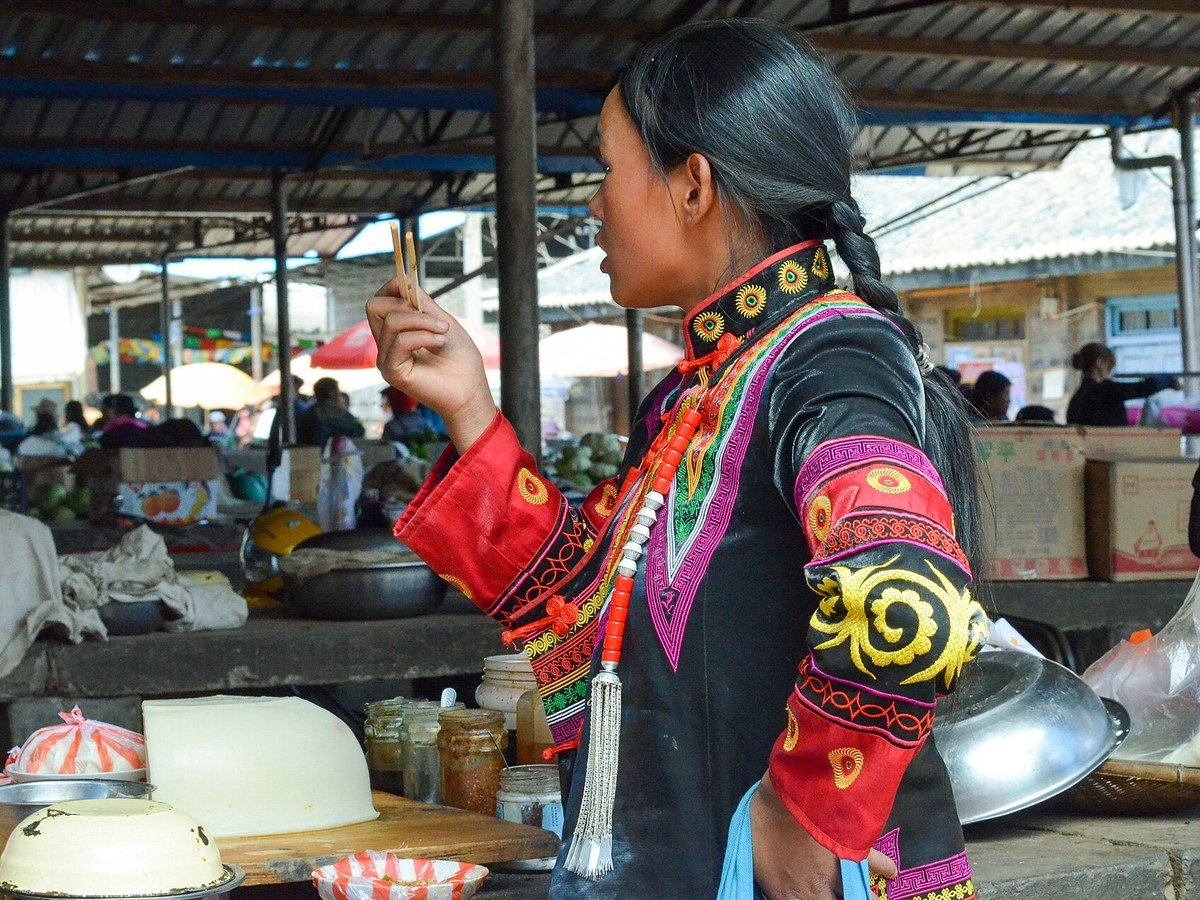
Yi New Year, called kuoshi in the Nuosu language, is a three-day ancestral festival kept by the Yi people of Liangshan Yi Autonomous Prefecture, and its date follows the Yi ten-month calendar rather than the lunar one. China’s State Council added it to the third national list of intangible cultural heritage on 23 May 2011. Villages pick an auspicious day in the tenth month, so dates drift between valleys.
The prefecture pins the public holiday to 20 November, written into its autonomy regulations, which is why all of Liangshan stops at once and Xichang hotels sell out in early November. Each of the three days has its own job, and knowing them separates watching a party from understanding a ritual.
Where in Liangshan should you go?
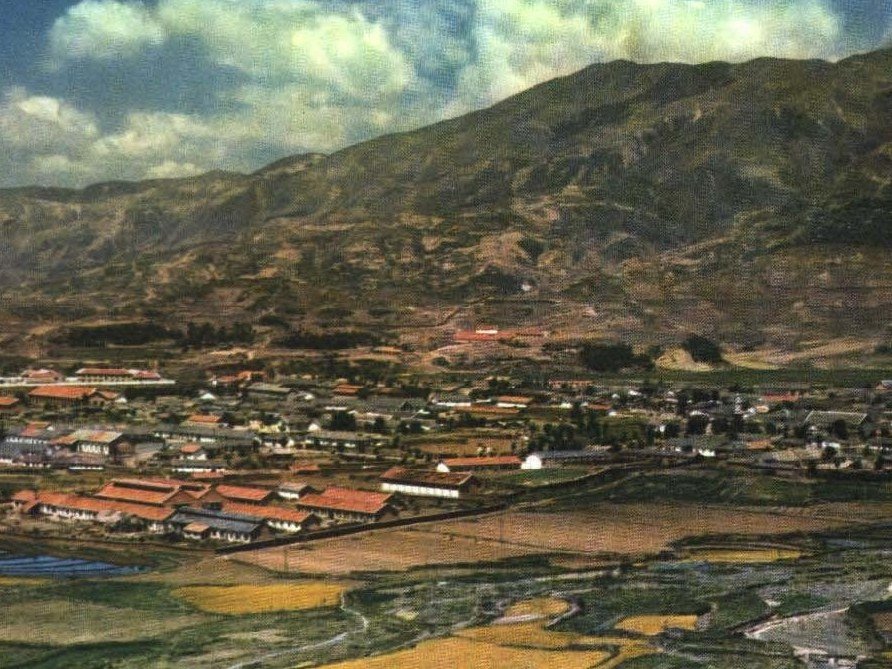
Xichang is the practical base for Yi New Year, Zhaojue the emotional centre, and Butuo and Meigu the most untouched. Altitude matters more than distance: Xichang sits near 1,540 metres, while county towns an hour or two uphill are 600 to 900 metres higher and frosty before dawn.
| Base | Altitude | From Xichang | What it gives you |
|---|---|---|---|
| Xichang 西昌 | ~1,540 m | — | Airport, rail, hotels, Qionghai lake |
| Zhaojue 昭觉 | ~2,080 m | about 2 h by road | China’s largest Yi county; day-two sports |
| Butuo 布拖 | ~2,380 m | about 2.5 h by road | Coldest, highest, silverwork, black sheep |
| Meigu 美姑 | ~2,000 m | about 4 h by road | Wrestling country, Dafengding reserve |
Zhaojue is where the saying “if you have not been to Zhaojue, you have not been to Liangshan” comes from: 252,435 residents, more than 98 per cent Yi, four dialect groups in one market (Zhaojue County Government, 2023).
How do you reach Liangshan without a tour?
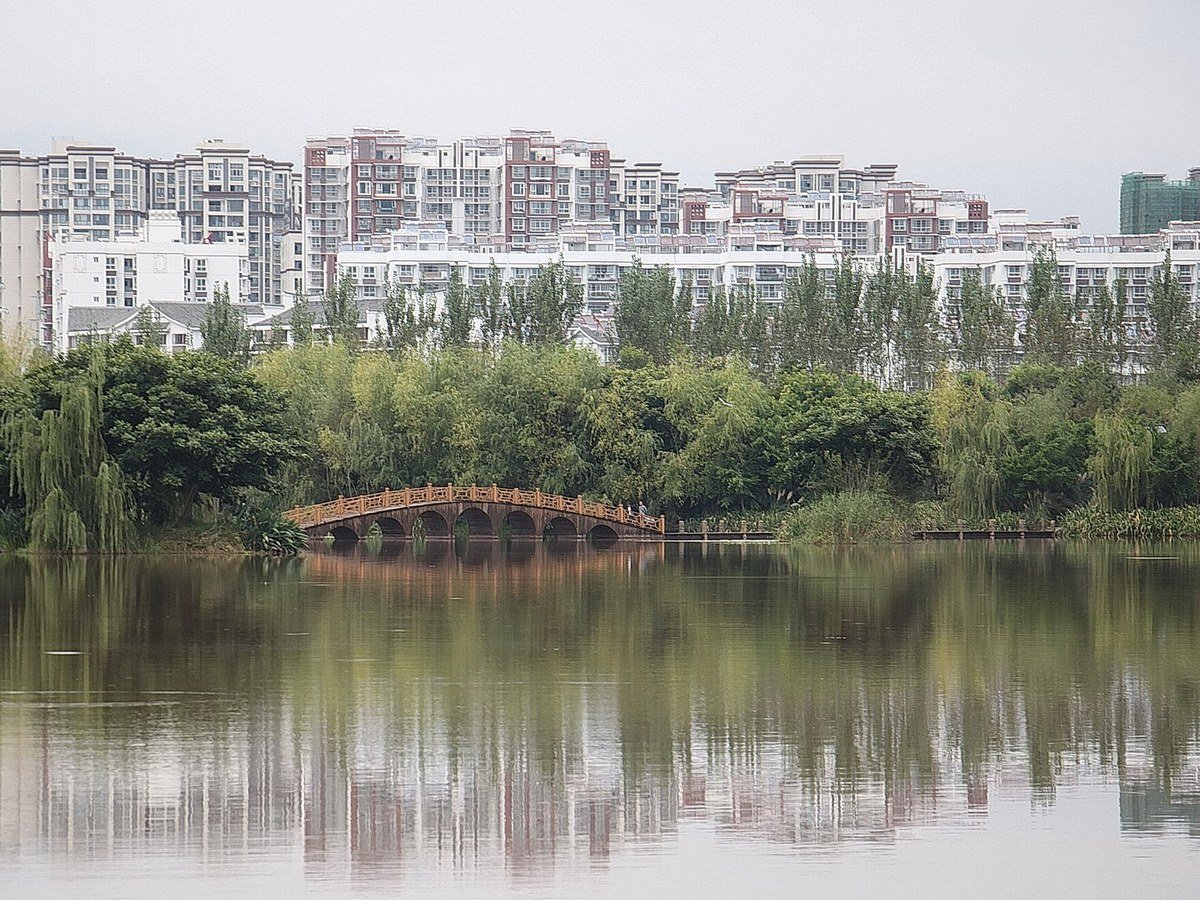
Reaching Liangshan is now a train ride. The new Chengdu–Kunming railway opened on 26 December 2022 and cut the run to Xichang to about three hours (Sichuan Provincial People’s Government, 25 December 2022). Second class starts near 149 yuan; book on 12306 the day the 15-day window opens, because 20 November trains go first.
Xichang Qingshan airport is the alternative, with direct flights from Chengdu in 75 minutes and Shanghai in under three hours. County buses climb from Xichang West station for a few dozen yuan, and guesthouses in Zhaojue and Butuo run 120 to 260 yuan a night. Bring cash for village shops and shared vans.
Day one: water, ancestors and a pig
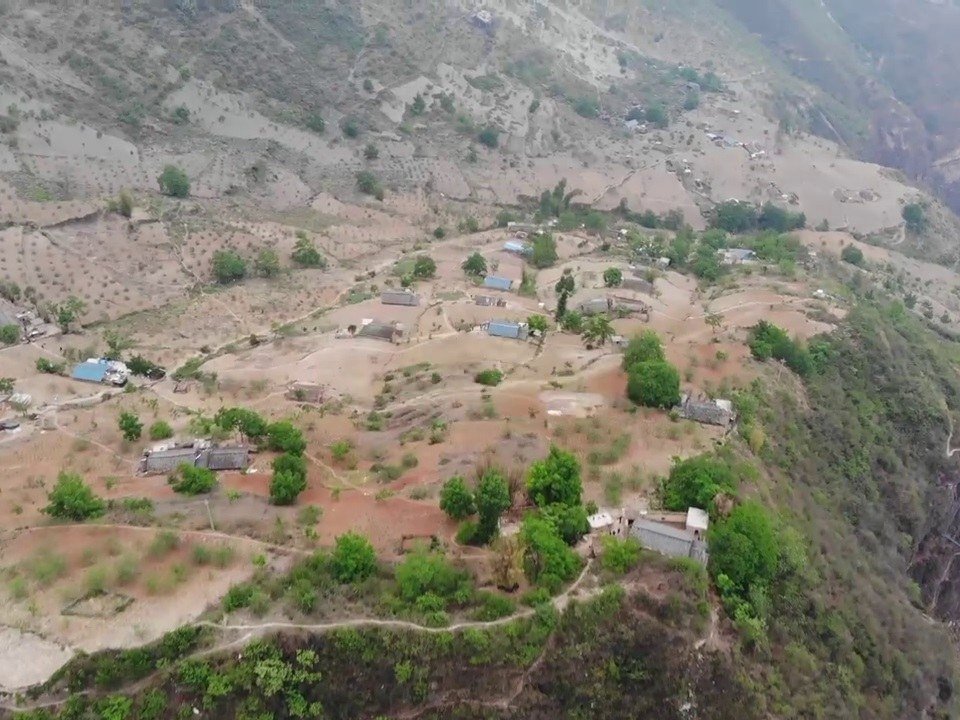
The first day, kushi, belongs to the ancestors and to water. Men clean the ancestral tablets and scrub the ritual bowls while women fetch the year’s first water, considered the purest of the twelve months (Liangshan Daily, 7 November 2024). Nothing is eaten until meat and wine have been offered at the hearth.
Then the pig, the loudest hour of Yi New Year. In the Yinuo-speaking north around Meigu and Leibo, households start at dawn; in the Shengzha-speaking centre around Zhaojue and Xide, they wait until after breakfast. Village men move house to house, drinking a bowl at each gate, and elders kill first. The best hind leg or the whole head goes to an elder; the rest is grilled, salted and laid before the ancestors before anyone eats.
Tuotuo rou: why the meat is cut into fists
Tuotuo rou, “lump meat”, is pork or beef cut into fist-sized blocks, boiled in plain salted water and lifted out while still pink at the centre. It is a test of the household’s pig and of the cook’s nerve: with no spice to hide behind, the meat has to be good. Diners dip each lump in chilli, Sichuan pepper and litsea — the centrepiece of every Yi New Year table.
The drink is paoshui jiu, a buckwheat or corn spirit kept in a clay jar. You add water, drop in a bamboo straw and pass it on; the first round is fierce, the fourth is sweet, and one jar can carry an afternoon. Around the fire someone may start kuoshi niuniuhe, an unaccompanied two-voice song still carried by elders in Meigu and Zhaojue (CCTV News, 20 November 2026).
Day two: wrestling, horses and a spinning pole
The second day of Yi New Year, duobo, is when the village goes outside. Yi wrestling, xingge, is a belt-and-balance sport with no groundwork; Meigu was named a “hometown of wrestling” in 2003 and the sport entered the National Traditional Ethnic Sports Games in 1991. Matches start informally, inside a pressed circle of coats and phone cameras.
Horse racing belongs to Zhaojue, and the mountain tracks are short, fast and slightly alarming. In Ganluo, families raise the mo’erqiu, a three-metre post with an eight-metre crossbar that two riders spin and try to unseat each other from; it joined the provincial heritage list in 2009. Expect dust and no fixed schedule.
Isn’t this just the Torch Festival?
No. Yi New Year and the Torch Festival do different jobs: the New Year is domestic, ancestral and food-centred, while the Torch Festival, on the 24th day of the sixth lunar month, is public, fire-centred and staged. Booking November in the hope of torch parades is the commonest mistake.
| Yi New Year (November) | Torch Festival (June–August) | |
|---|---|---|
| 2026 dates | 20–26 November | 6–12 August |
| Setting | Courtyards and villages | Squares, stages, hillsides |
| Core | Ancestors, pig, tuotuo rou | Torch processions, contests |
| Crowds | Thin outside county towns | Heavy; hotel prices spike |
Both involve fire, which is where the confusion starts. At Yi New Year the fire is the family hearth and the bonfire in the yard, kept burning so ancestors have somewhere to sit. For a public fire festival, read our notes on Guizhou’s Miao new year.
How should you behave inside a Yi home?
Behave like a guest who was invited, not a photographer who arrived. Yi hospitality is formal and generous: accept the bowl, take at least one sip, and hold it with your right hand or both. Refusing food outright reads as rejection, so take a small piece even if you have eaten.
The hearth is the centre of the house and the seat of the ancestors. Do not step on the tripod, do not put rubbish in the fire, and do not photograph the ancestral rite or the killing unless the household says so. Ask before raising a camera at people. A bottle of baijiu, a bag of sugar or a box of fruit is expected when you arrive unannounced.
A three-day plan that works
This plan assumes you reach Xichang a day early and leave two days after it ends, because day one of Yi New Year is private, day two is public and day three is quiet, which leaves the driving for the edges.
- Day −1: train or fly into Xichang, sleep by Qionghai lake, buy a gift, check bus times.
- Morning of day 1: bus to Zhaojue (about two hours), walk the old market and clothing stalls.
- Afternoon of day 1: stay out of courtyards unless invited; photograph the town, not the rituals.
- Day 2: follow the noise — wrestling circles, horse races on the edge of town, mo’erqiu in Ganluo.
- Day 3: accept a lunch invitation if one comes, then return to Xichang before dark.
- Day +1: Qionghai lake and the Yi museum, then the train back to Chengdu.
Practical tips before you book
Late November, when Yi New Year falls, is bright, dry and cold at both ends of the day: Xichang runs about 7–21°C, Zhaojue 3–17°C with morning frost, Butuo 1–16°C (Liangshan meteorological service, 27 November 2026). Pack a down jacket, thermals and shoes you can walk in mud with, and spend the first night low in Xichang.
- Bring cash: village shops and shared vans rarely take foreign cards.
- Download an offline map and a translation app; signal dies in gullies.
- Book rail seats the moment the 15-day window opens.
- Skip the trip if you cannot accept that rituals are not performances.
- 2027 dates will be confirmed in December 2026; the 20 November anchor is fixed.
Bringing it home
You will remember the cold first, then the noise, then the way a stranger’s mother pressed a second lump of pork into your hand and refused to hear no. Yi New Year in Liangshan is not a show with a ticket desk; it is a working festival that tolerates visitors who arrive curious and leave useful.
At jusha.travel, we love sharing tips that turn a good trip into an easy one. If Sichuan is your gateway, start with Chengdu’s pandas, then eat south through Sichuan’s chilli-heavy table. For mountain transport, our guide to China’s rural buses explains county timetables, and our Spring Festival booking guide covers the February rush. Tell us in the comments which village took you in.
Frequently asked questions
When is Yi New Year in Liangshan?
Yi New Year falls in the tenth month of the Yi calendar, which lands in November, and Liangshan fixes the public holiday at 20 November; in 2026 it ran from 20 to 26 November. Villages may begin a few days earlier or later, depending on the day chosen by elders.
Can foreigners join the celebrations?
Foreigners can join, but only as guests: there are no tickets, and an invitation to a courtyard comes through a local friend, a guesthouse owner or a guide. County towns such as Zhaojue hold public wrestling and horse racing that anyone can watch.
How do I get to Liangshan from Chengdu?
The fastest route is the train: the new Chengdu–Kunming railway takes about three hours to Xichang, with second class from roughly 149 yuan. Xichang’s airport also has direct flights from Chengdu in 75 minutes and from Shanghai in under three hours.
Do I need a permit to travel in Liangshan?
No permit is needed for Xichang, Zhaojue, Butuo or Meigu, which are ordinary counties open to foreign visitors. Permits apply to destinations in the Tibet Autonomous Region, not to Liangshan.
What is tuotuo rou, and must I eat it?
Tuotuo rou is pork or beef cut into fist-sized lumps, boiled in salted water and eaten by hand with chilli and pepper; it is the centrepiece of every New Year table. You need not finish it, but taking a small piece matters more than clearing the bowl.