
“`
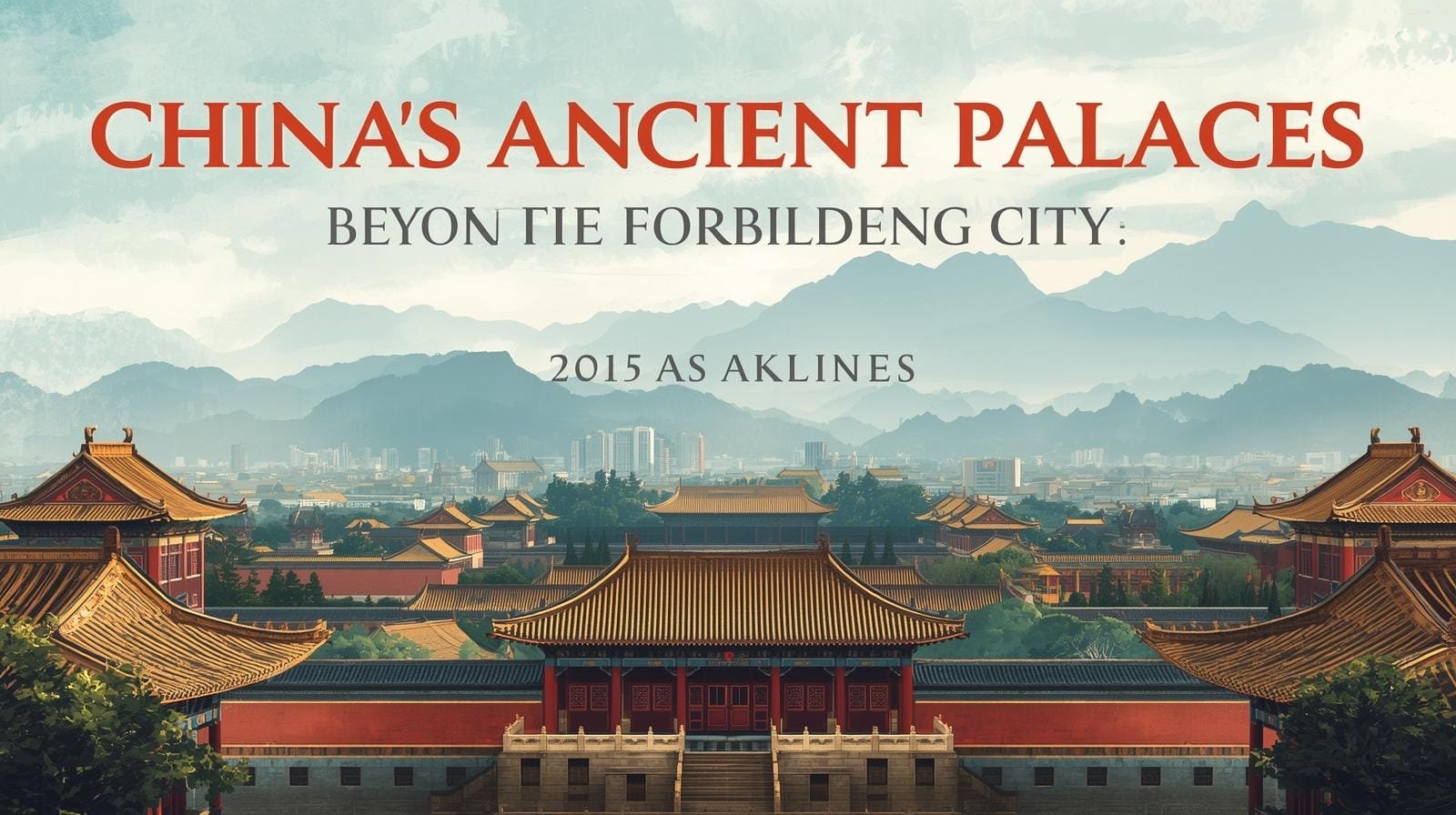
China’s Ancient Palaces: Beyond the Forbidden City
When you think of China ancient palaces, the Forbidden City in Beijing often steals the spotlight, drawing millions with its imperial splendor. But China’s royal history extends far beyond this iconic site, revealing a tapestry of historical palaces in China that showcase the nation’s rich cultural heritage, architectural ingenuity, and royal intrigue. These China imperial sites offer travelers a deeper dive into the dynasties that shaped the country, blending ancient traditions with practical adventures. Whether you’re planning Beijing palace tours or exploring off-the-beaten-path gems, these palaces provide unforgettable insights into China’s past. Here at jusha.travel, we love sharing tips to make your China journey unforgettable, so let’s uncover these hidden treasures together.

## Discovering Shenyang Imperial Palace: A Blend of Cultures
Venturing beyond Beijing, the Shenyang Imperial Palace stands as a testament to China ancient palaces that fuse diverse influences into a unique narrative. Located in Liaoning Province, this site, also known as Mukden Palace, was the early Qing dynasty’s royal residence, built between 1625 and 1636. Unlike the rigid symmetry of the Forbidden City, Shenyang’s layout reflects a more organic design, incorporating Manchu, Han, and Mongol elements that highlight the multicultural roots of China’s last imperial dynasty.
As you explore this UNESCO World Heritage site, you’ll notice how the palace’s 300 buildings blend traditional Chinese architecture with nomadic tent motifs, creating a vibrant contrast to the Confucian order seen in Beijing. For instance, the Dazheng Hall was used for shamanistic rituals, offering a glimpse into Manchu spiritual practices that differ from the formal court ceremonies of the south. This cultural synthesis makes Shenyang an ideal stop for China imperial sites enthusiasts eager to understand the Qing’s rise to power.
Practical tip: If you’re on a Beijing palace tours itinerary, consider extending your trip via high-speed train to Shenyang—it’s just a four-hour ride. Arrive early to avoid crowds and join a guided tour that explains the palace’s bilingual signage, a nod to the Qing’s inclusive governance. While there, don’t miss sampling local Liaoning specialties like sticky rice cakes or roasted lamb, which fuse flavors from the region’s nomadic heritage. According to historical accounts from sources like [Wikipedia’s entry on the Forbidden City](https://en.wikipedia.org/wiki/Forbidden_City), such palaces were not just homes but strategic centers, and Shenyang exemplifies this with its defensive adaptations.

This palace also offers a fascinating look at China royal history, where emperors like Nurhaci laid the groundwork for unifying China. It’s a reminder of how imperial sites evolved, incorporating feng shui principles for harmony and balance. For tech-savvy travelers, download the Shenyang Palace app for augmented reality views of restored sections, blending modern technology with ancient wonders—a perfect example of how China’s digital innovations enhance cultural experiences, as we often highlight on jusha.travel.
## The Majesty of Summer Palaces: Retreats of Nature and Power
No exploration of historical palaces in China is complete without delving into the serene summer palaces, which served as luxurious escapes for emperors seeking respite from Beijing’s sweltering summers. The most renowned is the Summer Palace (Yiheyuan) in Beijing, a sprawling complex northwest of the city, featuring artificial lakes, pavilions, and gardens that epitomize the harmony between humans and nature—a core tenet of Chinese philosophy.
Constructed in the 18th century, the Summer Palace’s Kunming Lake and Longevity Hill provide a peaceful backdrop for leisurely walks, boating, or even picnics, making it a favorite for modern travelers. Meanwhile, the lesser-known Mountain Resort in Chengde, Hebei Province, offers a strategic twist: built as a summer retreat and diplomatic hub, it facilitated interactions with Mongolian and Tibetan leaders, showcasing China imperial sites as tools of empire-building.
Cultural insight: These palaces reflect the Qing dynasty’s efforts to integrate diverse ethnic groups, evident in Chengde’s fusion of Han, Mongol, and Tibetan architecture, including temples modeled after Tibet’s Potala Palace. This blending of styles underscores China royal history, where emperors used art and design to promote unity. For a deeper dive, check out resources like [Britannica’s overview of the Forbidden City](https://www.britannica.com/topic/Forbidden-City), which discusses similar architectural philosophies.
If you’re planning Beijing palace tours, allocate a full day for the Summer Palace to wander its 2.9-square-kilometer grounds. Pro tip: Rent a bicycle or take a boat ride on Kunming Lake for a refreshing break, and pair it with a nearby tea house experience—savoring oolong tea while learning about imperial tea ceremonies adds a flavorful layer to your visit. Food lovers will appreciate how these sites influenced regional cuisine; for example, Chengde’s imperial kitchens inspired hearty dishes like braised mutton, drawing from northern nomadic traditions.
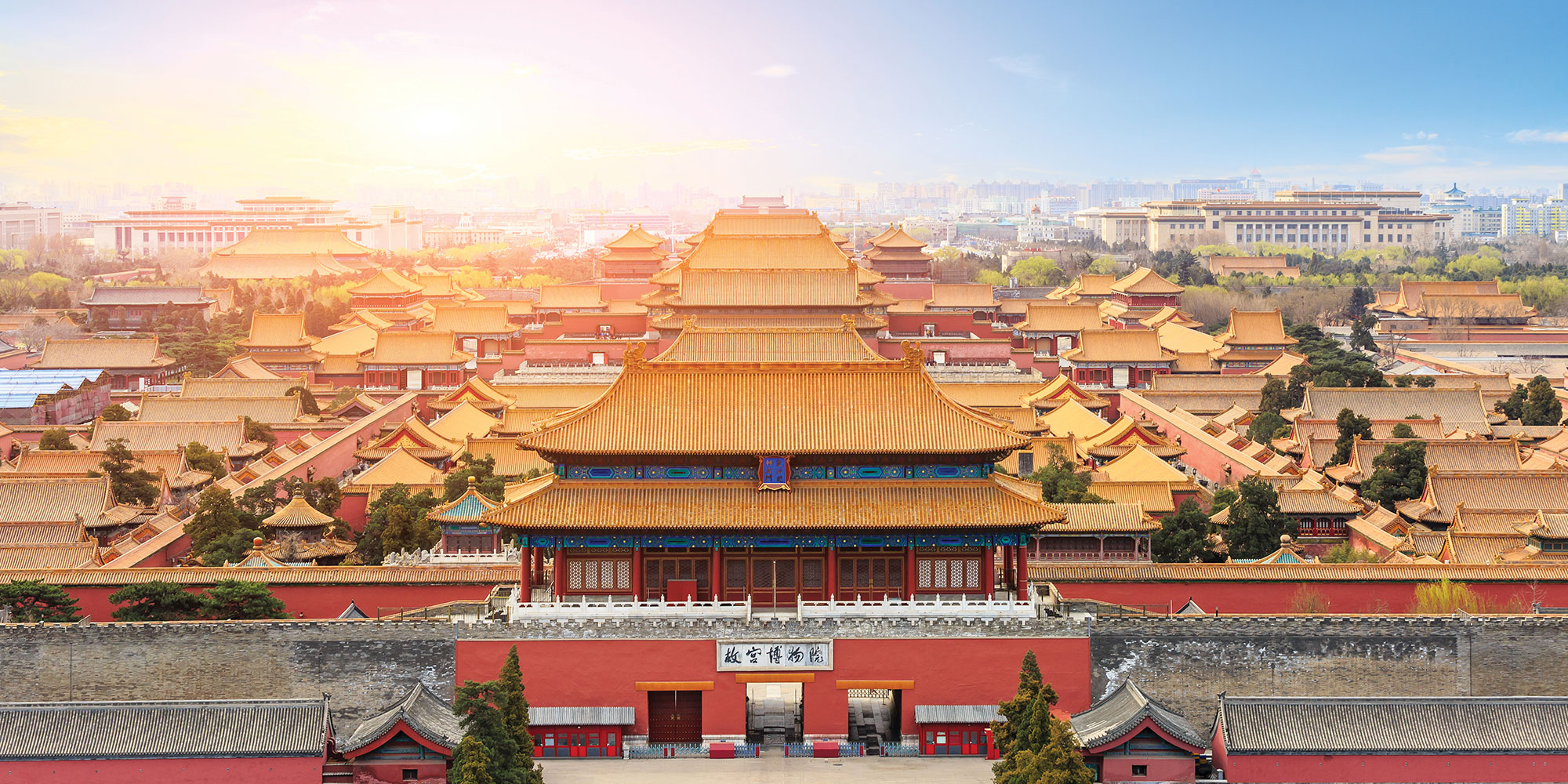
In today’s context, these palaces highlight China’s advancements in sustainable design, with their use of natural elements foreshadowing modern eco-tourism. As [Khan Academy’s article on the Forbidden City](https://www.khanacademy.org/humanities/ap-art-history/south-east-se-asia/china-art/a/forbidden-city) notes, such sites emphasize cosmic order, a principle that resonates in contemporary Chinese architecture.
## Lesser-Known Imperial Sites: Unearthing Hidden Gems
While China ancient palaces like the Forbidden City dominate headlines, lesser-known sites such as Nanjing’s Ming Palace and the Old Summer Palace (Yuanmingyuan) offer profound stories of innovation and loss. Nanjing’s palace, built in the late 14th century as the Ming dynasty’s original capital, served as a blueprint for Beijing’s grand design, with its vast layout and dragon-ornamented gates symbolizing imperial authority.
Tragically, much of it was destroyed, but the remaining ruins provide a poignant reminder of China royal history. Similarly, Yuanmingyuan in Beijing blended Chinese halls with European Baroque elements, earning it the nickname “Versailles of the East.” This cosmopolitan approach reflected the Qing’s openness to global influences, though it was looted and burned in 1860, a event that symbolizes China’s turbulent 19th-century history.
Interesting fact: These sites weren’t just architectural feats; they incorporated advanced hydraulics for fountains and gardens, precursors to today’s Chinese tech innovations in smart cities. For history buffs, exploring Nanjing via a guided tour reveals archaeological finds that tie into broader China imperial sites, as detailed in [Smarthistory’s Forbidden City analysis](https://smarthistory.org/the-forbidden-city/).
Practical advice: On your Beijing palace tours, add a day trip to Yuanmingyuan for its reflective ruins and surrounding parks—ideal for photography or meditation. Combine it with a visit to a local eatery for Peking duck, a dish with roots in imperial feasts, to connect food and history. At jusha.travel, we recommend using apps like Trip.com for seamless travel planning, ensuring you don’t miss these underrated spots.
## The Symbolism in Chinese Palace Architecture: A Timeless Legacy
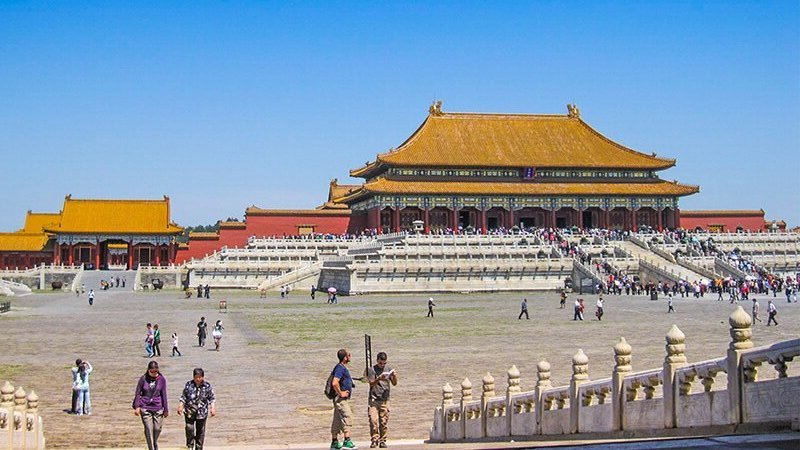
At the heart of historical palaces in China lies a profound symbolism, where every roof ridge and courtyard reflects China royal history’s emphasis on hierarchy and harmony. Palaces like the Forbidden City adhere to feng shui principles, with north-south orientations aligning buildings to cosmic forces, as explained in [TravelLocal’s intrigues on China](https://www.travellocal.com/en/articles/china-s-forbidden-city-our-favourite-intrigues*).
Key elements include the hierarchical design of halls, where the number of roof figurines denotes status, reinforcing social order. This architectural language extends to other China imperial sites, making them more than structures—they’re stories etched in stone and wood.
In conclusion, exploring China ancient palaces beyond the Forbidden City reveals the depth of the nation’s cultural and historical tapestry, from Shenyang’s cultural blends to the serene escapes of summer retreats. These sites not only inspire awe but also offer practical insights for travelers, whether through guided tours or culinary discoveries. Here at jusha.travel, we’re passionate about guiding you through China’s wonders, so remember to pack your curiosity and an open mind.
We’d love to hear about your favorite palace experiences—share your thoughts in the comments below, visit jusha.travel for more inspiring articles, or check out our related guides on Beijing adventures. Safe travels!
“`